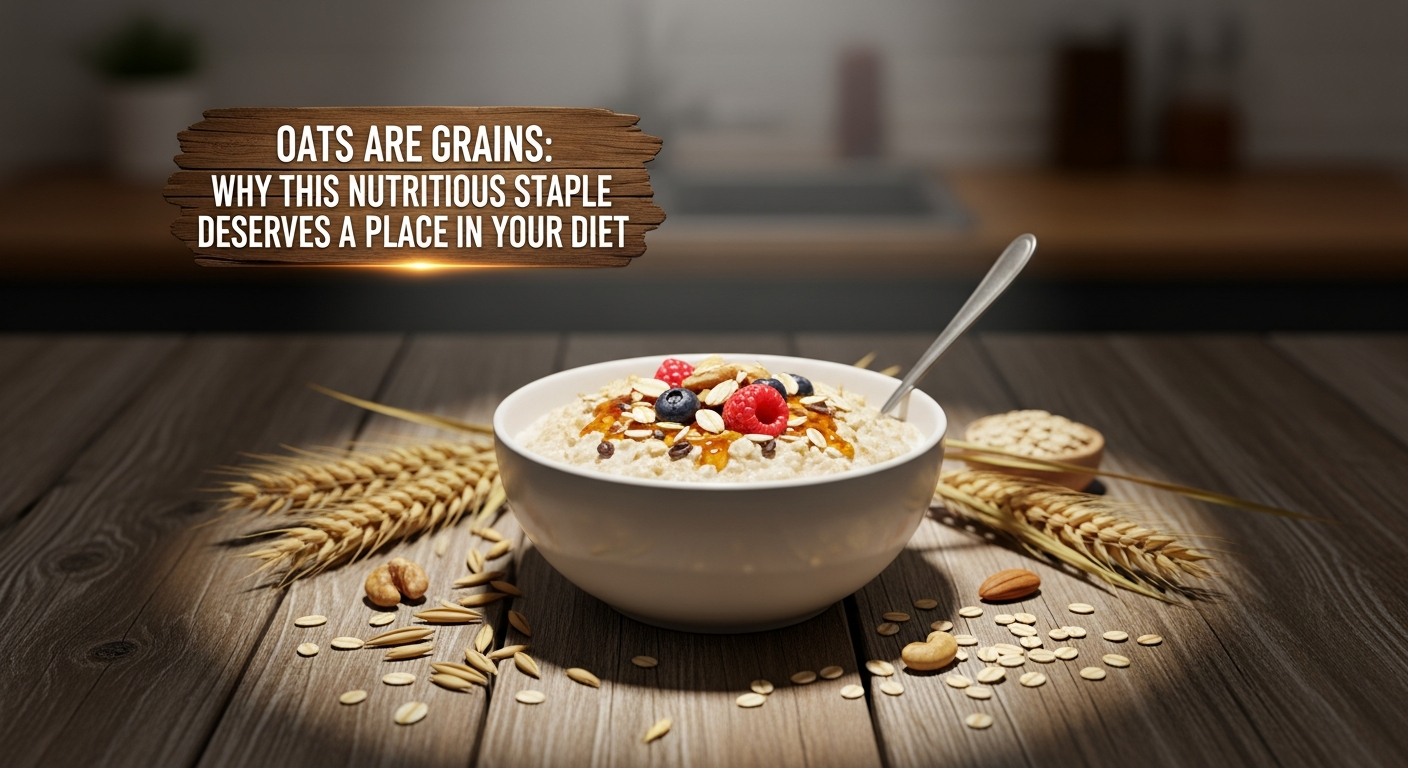
For generations, many different cultures have eaten oats, and in fact, they are one of the oldest grains.
Many people mistakenly believe that oat grain is a kind of seed; however, oats belong to the same family, or "whole grain" category, as both rice and wheat. Whereas most common grains are produced from grass plants, oats grow on grass plants and provide complex carbohydrates, fiber, and energy that lasts all day long, making them an excellent daily staple food.
The most important nutrients that oats supply to the body are fiber, protein, vitamins, and minerals. In addition to being highly digestible and therefore easy to digest for both children and older adults, they are also very heart-healthy, help stabilize blood sugar levels, and provide many health benefits for healthy lifestyles.
There are several different varieties of oats: steel cut oats, rolled oats, and oatmeal. All three of these varieties have the same nutritional benefits as other whole grains, but they are all provided in an easy-to-understand form. Understanding that oats are a whole grain will help eliminate confusion about whether oats and grains are the same and helps people appreciate why they should include them in their healthy and balanced diets .
Understanding What Makes Oats a Grain
People often think of oats as the soft, fluffy grain that is so commonly used as a breakfast food, but oats are actually whole grains. Oats grow on grasses, just like other grains do, and provide fibre, carbohydrate and protein; therefore they should be thought of as grains within the healthy eating pyramid. Once you understand how oats are classified and grown, misconceptions about their classification and where they fit in a healthy diet can be cleared up.
Oats Are Grains: Botanical Classification Explained
Oats belong to the cereal grain family and have the scientific name Avena sativa. Oats are grown from grass plants, just as all other cereal grains (i.e. wheat, rice and barley) are, and therefore are considered to be grains by the definition of a grain.
The Botany of Oats:
- Oats come from grasses rather than fruit-bearing plants (i.e. vegetables)
- The edible portion of oats is the seed of the grass—the grain
- Oats contain bran, germ, and endosperm, which are the defining characteristics for all whole grains

Therefore, oats are classified as grains because they grow like all other cereal crops and have the same structure as all other grains, and do not fit into the category of legumes, the nut family or the seed family in terms of dietary classification.
Are Oats a Grain or Seed? Clearing the Confusion
One question frequently asked is whether oats are a grain or a seed. This can often lead to confusion since technically, grains are classified as seeds, but not all seeds are classified as grains.
To clarify:
- Botanically speaking, grains are a specific type of seed.
- All cereal grains (including oats) are classified as seeds.
- However, only those seeds that come from grass plants are considered grains.
Thus:
- From the point of view of the actual botanical classification, oats are seeds that come from a grass plant and therefore, fall into the category of grains.
- While oat seeds may be scientifically accurate as a seed, oat seeds should be considered as a complete grain, in accordance with their nutritional and agronomical properties.
Are Oats and Grains the Same Thing?
Another common question is whether or not oats differ from grains, or whether they belong to a different classification. The answer is that oats are one of the many different varieties within the grain family.
Understanding oats in the context of grains:
- Grains are made up of rice, wheat, barley, corn, and oats.
- Oats are a grain, part of the group known as whole grains.
- Oats have all of the same nutrient characteristics that you would normally find in both rice and wheat, such as complex carbohydrates, fiber, and protein.
In short:
- When you are asked if oats are different from grains, remember that oats are actually part of the same grain family.

The Nutritional Powerhouse: Key Health Benefits of Oats
Above and beyond all other grains, oats are among the most nutrient-dense whole foods available in a balanced diet. Many people often ask themselves, "Are oats a grain or a seed?" But, nutritionally and botanically, oats are classified within the whole grain family, which means they possess the same characteristics as all other grains; specifically, they contain all three components of a whole grain—the bran, germ, and endosperm.
Since oats keep all three parts of the grain intact, this allows for long-lasting energy, essential vitamins, and gentle digestibility, making oats perfect for people of all ages to include in their diets every day.
Whole Grain Nutrition That Fuels the Body
As described above, oats provide all three components of a whole grain (the bran, germ, and endosperm) that contribute to complete whole-grain nutrition, and the body's ability to assimilate nutrients through the fermentation of carbohydrates is gradual and efficient.
A few of the key nutritional facts about OATS are as follows:
- Complex carbohydrates for providing long-lasting energy;
- Plant protein for providing support for muscle growth and repair;
- Vitamin B for energy metabolism;
- Minerals: Iron (Fe), Magnesium (Mg), and Zinc (Zn).

A more in-depth explanation:
Unlike refined grains like white rice and refined sugars, oats release energy slowly, allowing you to avoid sudden spikes and crashes. Refined grains release energy rapidly and cause blood sugar levels to rise and fall dramatically. By comparison, oats provide all of the same qualities as other whole grains, but they do so with significantly more nutrients, while also being by far the most easily digestible of all whole grains.
Fiber, Beta-Glucan, and Digestive Health
Soluble fiber, especially the beta-glucans found in oats, is one of the many important components of oats. Soluble fiber is an essential component of a healthy digestive system.
The health benefits we see from consuming oats include:
- More regular bowel movements
- Better balance of good and bad bacteria in the digestive tract
- Slower digestion leading to longer feeling full
- Less bloating if consumed in moderation
Oats are a food that are a source of soluble fiber, which absorbs water and forms a gel-like substance when consumed. This gel-like substance creates a coating in the digestive tract that soothes the digestive system and supports overall gut health. So, for those who wonder, "Are oats grains or seeds?" The type of soluble fiber found in oats indicates that oats behave like whole grains, not like seeds.
Heart, Immunity, and Metabolic Support
Oats are a unique food because of how they help to support the overall health of our bodies — including heart, immune, and metabolic health.
They have the following health-supporting properties:
- Beta-glucans provide heart protection by lowering LDL (bad cholesterol)
- Antioxidants in oats support immune functions
- The stable blood sugar effect of oats supports metabolic health
- Oats have a low amount of saturated fats that support your heart health.
Eating oats on a regular basis will help reduce the absorption of cholesterol and maintain balanced metabolism, which is why nutrition science classifies oats with other heart-healthy grains, indicating they are a grain that provides proven long-term health benefits.

How Oats Compare to Other Popular Grains
Just Like Wheat, Rice And Barley, Oats Are A Type Of Cereal Grain; However, The Different Grains All Have Distinct Nutritional Profiles, Speed Of Digestion And Health Benefits. The Question Of Whether Oats Are A Grain Or A Seed Is One Many People Have In Common, And Comparing Oats To Other Grains By How They Are Commonly Consumed Will Help Answer This Question, And Provide Insight Into Why Oats Are Often Recognized As A Better Choice On A Daily Basis.
Oats vs Wheat: Which Grain Is Better?
- Both Oats And Wheat Are Commonly Eaten Grains, But Oats Are Usually Less Difficult To Digestion, And Offer A More Well-Rounded Nutritional Profile For Daily Meals.
- Oats Are Naturally Higher In Soluble Fiber Than Wheat, Which Is Primarily Made Up Of Gluten; Some People Find It More Difficult To Digest Gluten From Wheat Products.
- Oats Offer Sustained Satiety And Provide The Body With Sustained Energy.

In Summary:
Wheat Has Many Uses, But Oat Grains Are A Great Source Of Heart Health Benefits Because They Contain Cholesterol-Lowering Fiber. Because Of This, Oats Are Often Considered The Best Option For People Who Are Trying To Eat Correctly, Manage Their Weight, Have Digestive Difficulties, Or Want To Improve Their Heart Health.
Oats vs Rice: Nutritional Differences
While rice is widely consumed as a Food Staple Grain, when comparing the nutrients found in OATS compared to White Rice, RIce Contains much Less energy for longer periods of time because OATS Provide High Fiber, Protein and Sustained Energy through their ability to continue fueling your body.
Nutrition:
- OATS Have Much More Fiber than WHITE RICE When Compared.
- OATS Provide Long-Term Energy because they are not easily digested therefore keep Blood Sugar Levels from Spiking and Creating problems.
- On the Contrary, RICE Provides Quick Energy, which is Why White Rice Is Consumed As An Energy Source.
FURTHER EXPLANATIONS:
Unlike rice, oats provide Complex Carbohydrates and Fiber IN THE SAME PACKAGE. In comparison, this means that oats are a more satisfying and NUTRITIOUS Breakfast or for ANY Balanced Meals of Your Day.
Oats vs Barley and Other Cereal Grains
Barley, Oats and Other Cereal Grains Have Similarities, But OATS Are Different Because Of The Flexibility In The Type Of Food And Easy To Digest.
OAT Comparisons To Other Cereals Include:
- OATS CONTAIN HIGHER FAT CONTENT (Healthy Fats) For Most Grains.
- OATS ARE EASIER TO COOK AND USE BOTH SWEET AND SAVORY DISHES
- OATS ARE NATURALLY GLUTEN FREE (HOWEVER, CROSS CONTAMINATION MAY OCCUR).
FURTHER EXPLANATIONS:
- In answer to the question "Are OATS and GRAINS The Same?" Yes, OATS Are Grains; but they have Unique Properties That Make Them More Convenient than Barley and Other Cereals As More Nutrition, More Flavor and Easier To Include In Our Daily Lives.

The Versatility of Oats: Types and Everyday Uses
Oats are one of the most versatile grains in the food world; any culture that has access to oats can use them in their cuisine as a staple grain. Oats are classified as whole grains like rice and wheat (both are also whole grains), but have a milder flavour and softer texture. Because of their versatile nature, oats can be eaten in the form of breakfast, main meals and snacks as well as to bake with and are therefore, a healthy and practical pantry item.
Different Types of Oat Grains Explained
Although there are many different types of oat grains, each is processed differently. Due to this fact, many people confuse oat grains with each other. All varieties of oats are both oat grains (in whole grain form), and from the perspective of processing oat grains into their respective products, are classed together.
There are several types of oats that are common to find:
- Whole Oat Groats - The least processed. Perfectly chewy; Very close to what growing oats like growing oats.
- Steel-Cut Oats - The fibre from oat groats has been torn from each groat and will take a long time to digest.
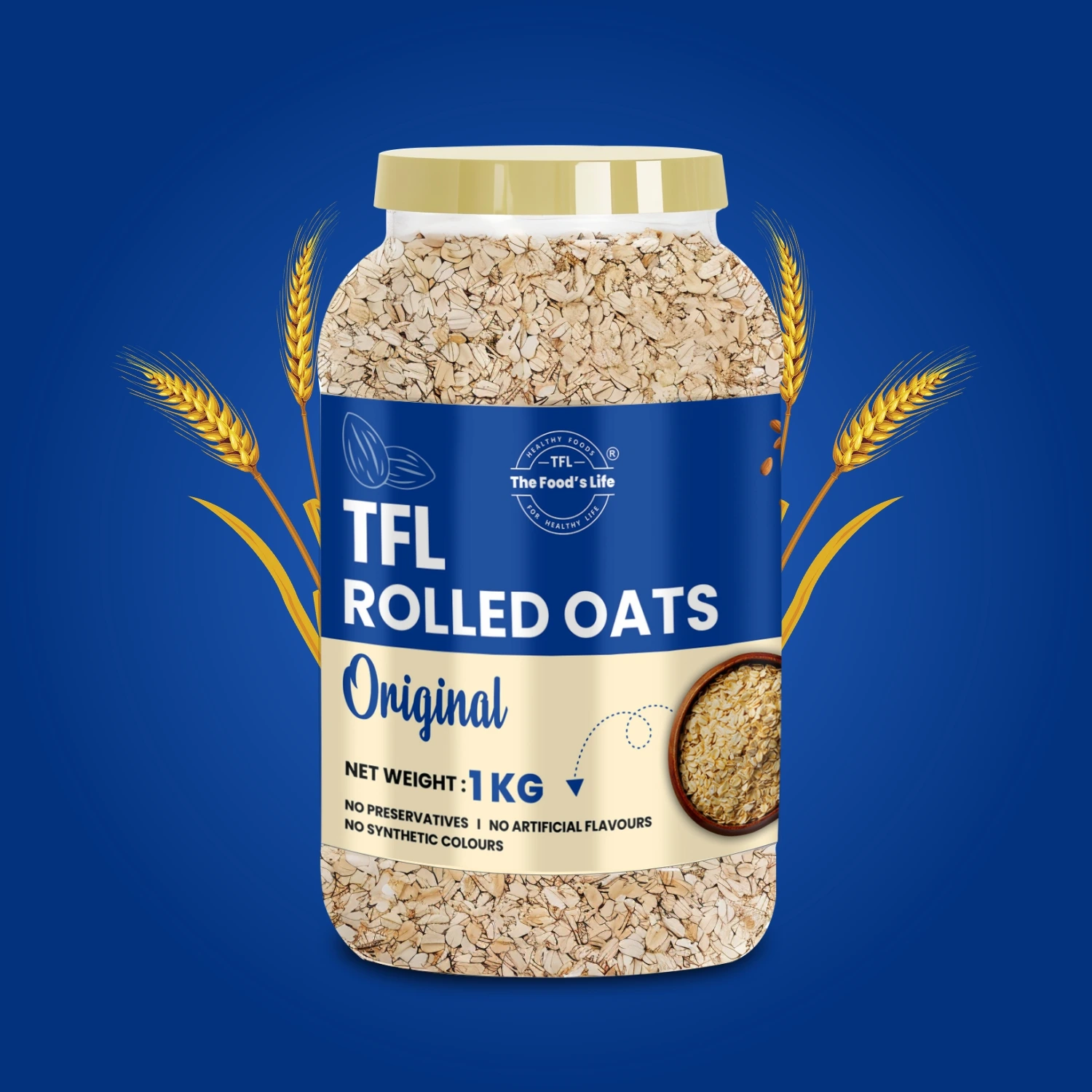
- Rolled Oats - Steamed then flattened, rolled; Quick cook, adaptable.
- Instant Oats - Thinly cut and rolled, steamed; very fast.

Sweet and Savory Ways to Eat Oats
People like oats as a grain around the world for many reasons. One of the reasons people love oats as a grain is they can be used in both sweet and savory ways. Many other grains can be used in only a few specific recipes, but with oats you can easily mix them with fruits, nuts, vegetable, spices, and protein.
Sweet uses for oats:
- Warm oats with fruits and nuts
- Overnight oats made with yogurt or plant-based milk
- Smoothies and energy bowls made with oats
Savory uses for oats:
- Oats cooked with a mixture of vegetables and spices
- Oats cooked into khichdi, upma, or savory oatmeal
- Soups thickened with oats
This ability to be used in different ways shows that oats should not be considered only breakfast; oats are grains that can be used throughout the day, at breakfast, lunch, dinner, or snack time.
Baking and Cooking With Oat Grains
Oats can be used in many ways (see above graphic) because oats have a mild flavor and hold ingredients together. Ground or soaked oats can substitute for white flour and also for breadcrumbs in many recipes.
What are some other popular cooking and baking uses for oats?
- Pancakes, muffins, and flatbreads made with oat flour
- Granola, granola bars, and cookies made with rolled oats
- Oats used as a coating for cutlets or patties
- Oats used to thicken sauces or stews
The reason oats can perform the way they do in cooking explains why oats will continue to perform as grain when they absorb liquids and expand.

The Role of Oats and Whole Grains in a Balanced Diet
Whole grains, including oats, serve as the foundation of a healthy and balanced diet by providing daily nutrition needs. As a whole grain, oats contain complex carbohydrates, dietary fibre, important plant nutrient components (vitamins) and minerals. Grains provide energy, support healthy digestion and contribute to overall wellness. The question of whether oats are a grain or a seed is a common one. To answer this question, it is necessary to understand that the term "grains" has a specific meaning and encompasses true cereal grains, such as oats, rice, wheat and barley. Whole grain foods, such as oats, are an excellent source of beneficial nutrients that help create meals that are nutritious and provide support to a healthy, active lifestyle.
Why Whole Grains Matter in Daily Nutrition
A whole grain consists of all three parts of the grain (bran, germ and endosperm), whereas refined grains do not contain the bran or germ. This is why oats are included in the category of healthy whole grain options. Whole grains, such as oats, are an excellent source of high fibre for maintaining a healthy digestive system and providing other health benefits.
Examples of the key benefits associated with whole grains, including oats, are:
- A high level of dietary fibre, which supports healthy digestion.
- Outstanding sources of vitamins and minerals.
- Promotes heart health.
- Helps control blood sugar levels.

When individuals ask, "Are oats and grains the same?" The answer is that oats offer the same whole-grain benefits as other grains, but are more easily digested. Therefore, oats are safe for long-term daily use for all age groups.
Healthy Carbohydrates for Sustainable Energy
Not every type of carbohydrate is bad for you – many whole-grained products are a healthy carbohydrate source, which provides your body with the type of carbohydrate it needs to operate efficiently. The reason Oats are a healthy carbohydrate option is that they provide Complex Carbohydrates which release energy over a longer period time when compared to Simple Carbohydrates.
Oats Provide a Smart Source of Carbohydrates Because They:
- Prevent sudden drops in energy
- Keep you satisfied longer
- Support brain function and muscle recovery
- Regulate blood sugar levels
By Providing Gradual Digestion of carbohydrates compared with refined carbohydrates, Oats provide a steady stream of energy through the course of the day. Therefore, Oats can fill the role as a breakfast option, as well as providing after-workout meals or meals when you need steady sources of energy. Knowing that oats are technically classified as a Grain (and not a "heavy" or "fattening" food), helps relieve apprehension regarding eating oats
How to Add More Oats to Daily Meals
Oats are an excellent source of Whole Grain and can be easily incorporated into daily meals. The flavor profile of oats allows them to be utilized in both sweet and savory dishes as well as their versatile texture makes them a good fit for these types of recipes.
Ways to add oats into your daily diet:
- Breakfast - Oatmeal or Overnight Oats
- Smoothies with Oats in them
- Savory Oat Porridge or Khichdi
- Oat Flour/Baking with Oats
- Soups and Stews with Oats in them
Briefly:
Because oats have such a high blending capacity with other food items, adding oats to your diet is a very effective mechanism to increase the consumption of Whole Grains, without having to make a large transition to a new diet. Once you understand that Oats are Grains, you will begin to incorporate them into your eating habits the same way you would use rice or wheat.

FAQs:
Q1 Are oats grains or seeds?
Oats are grains, not seeds, and belong to the cereal grain family.
Q2 Are oats and grains the same thing?
Yes, oats are a type of grain, specifically a whole cereal grain.
Q3 Are oats considered whole grains?
Yes, oats are whole grains because they contain the bran, germ, and endosperm.
Q4 Are oats healthier than other grains?
Oats are among the healthiest grains due to their high fiber content and easy digestibility.
Q5 Can oats replace other grains in meals?
Yes, oats can replace grains like rice or wheat in many meals while providing balanced nutrition.
Conclusion: Embrace the Fact That Oats Are Grains—And Reap the Rewards
Knowing that they (oats) are a grain eliminates the confusion surrounding whether oats are a grain or seed, as well as reveals the true nutrition of the Oat. Whole grains are composed primarily of starch (complex carbohydrates), fibre, and protein; therefore, they are often recommended to be consumed regularly as part of a healthy diet because of the positive effects on digestive health, cardiovascular health, and long-term energy levels. Oats are very easy to prepare and can fit into the everyday diet of individuals across all stages of life, thus they can be easily used as part of a healthy and balanced meal plan.
By adopting the view that Oats are indeed a grain, therefore oats and grains are indeed the same, you are now able to confidently add them into your overall diet with other whole grain foods. Not only do oats make a wonderful breakfast but they can be incorporated into an unlimited number of dishes from breakfast to lunch through to dinner. They can be eaten consistently as part of a healthy diet supporting long-term wellness and promote healthy eating every day.






 +91 63528 07509
 sales@thefoodslife.com
 225, Orchid Plaza, Sama-Savli Rd, behind McDonald's, Vemali, Vadodara, Gujarat 390008