
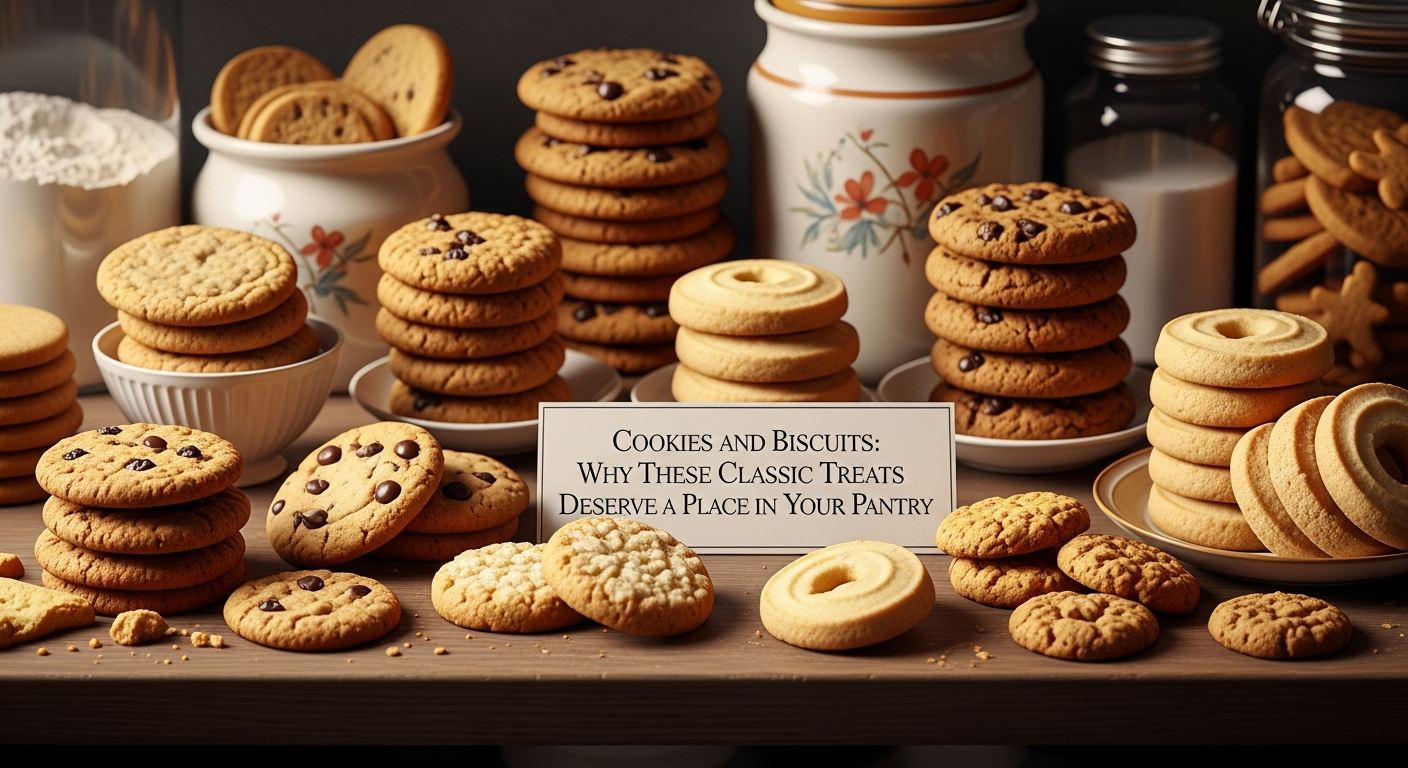
From generations past, cookies and biscuits have been enjoyed in homes around the world, offering comfort to many through their baked goodness and variety. Cookies and biscuits can be made from a few basic, common kitchen ingredients - flour, butter, sugar - and with so many variations available to create many different flavours. With such versatility and such wide appeal to children and adults alike, cookies and biscuits pair well with tea, coffee, milk or for holiday celebrations. Every time you take a bite of a crisp traditional biscuit or soft chewy cookie, you are reminded of the warmth and nostalgia that is tied to the cookies and biscuits you have prepared and eaten over the years, and a little happiness in your day.
The Delicious World of Cookies and Biscuits: A Brief Overview
Cookies & Biscuits can be prepared in numerous ways and are enjoyed by people throughout history to taste great, have great textures, and can match the mood & occasions of every person. Cookies & Biscuits can provide comfort, warmth, and joy while snacking daily on them because they are baked goods and offer various textures (crunchy, soft, buttery, crumbly). Most people eat Cookies & Biscuits with lunch, for tea time, at celebrations, or on the go when travelling. Cookies & Biscuits can be made easily at home or through other people's recipes.
Exploring the Many Types of Cookies and Biscuits
The difference between Cookies and Biscuits is in their texture, taste and preparation styles; some are soft sweet and chewy, while others are lightly sweetened, hard and crispy
1. Types of Cookies -
- Chocolate Chips = Soft/ Chewy/ Sweet
- Oatmeal = High Fiber/Wildly Nutritious
- Butter = Rich in Texture/Melting In The Mouth
- Shortbread = Thick/ Buttery/ Crumbles In The Hand
2. Types of Biscuits -
- Digestive = Slightly Sweetened Goods/ High in Fiber
- Tea = Light in Colour/ Goes Great with Beverages
- Marie = Mild Flavor
- Shortbread = Classic Buttery Crunch

A Quick Look at the History and Origin of These Treats
Originating has an impressive history with both cookies and biscuits originating from culinary history from long ago.
Important Historical Information
Biscuits are derived from the Latin word "bis cocotus" meaning "twice baked" and used primarily as food for travel.
- Cookies were formed from sweetened small cakes (test cakes), used in bakeries to test for oven temperature.
- Due to geography, history and differences in baking methods, the growth of these food items has taken on many different forms as it spread throughout the world.
Influence of Cookies and Biscuits on Many Different Cultures
- The tea-drinking culture of Britain created a market for biscuits.
- America introduced new types of cookies such as the rich, sweet cookie.
- European shortbread and butter biscuits establish the standard of all baked goods across the world.
Understanding Global Variations in Cookies and Biscuits
Each country has its own cookie and biscuit, influenced by its ingredients, baking style, and tradition.
Examples of Regional Variations
- U.S. Chocolate Chip Cookie, Snickerdoodle, Peanut Butter Cookie
- UK Digestives, Hobnobs, Shortbread
- France Madeleines, Langues De Chat
- Italy Biscotti, Amaretti, Cantuccini
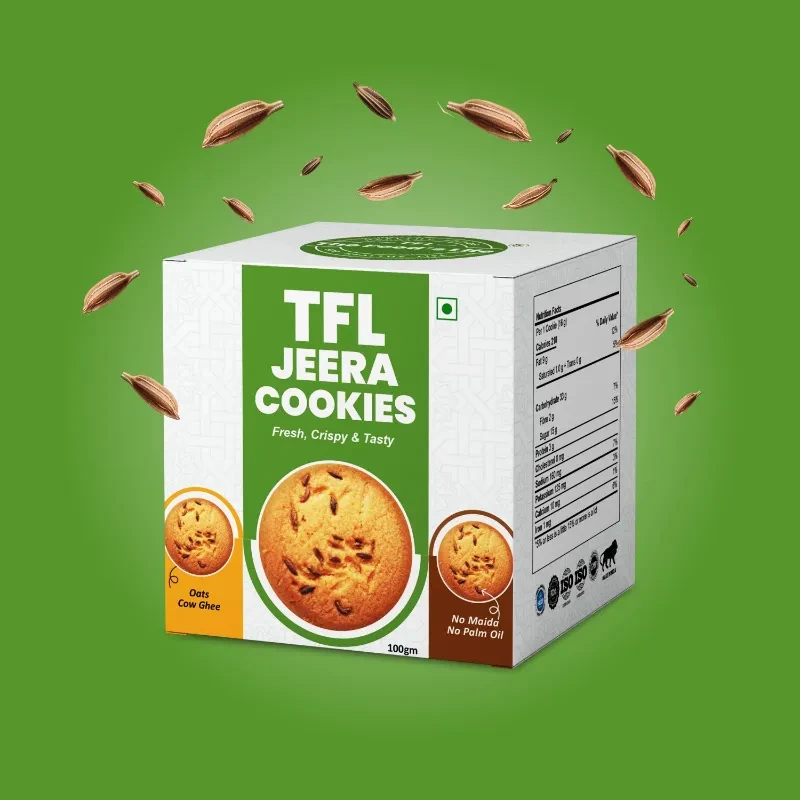
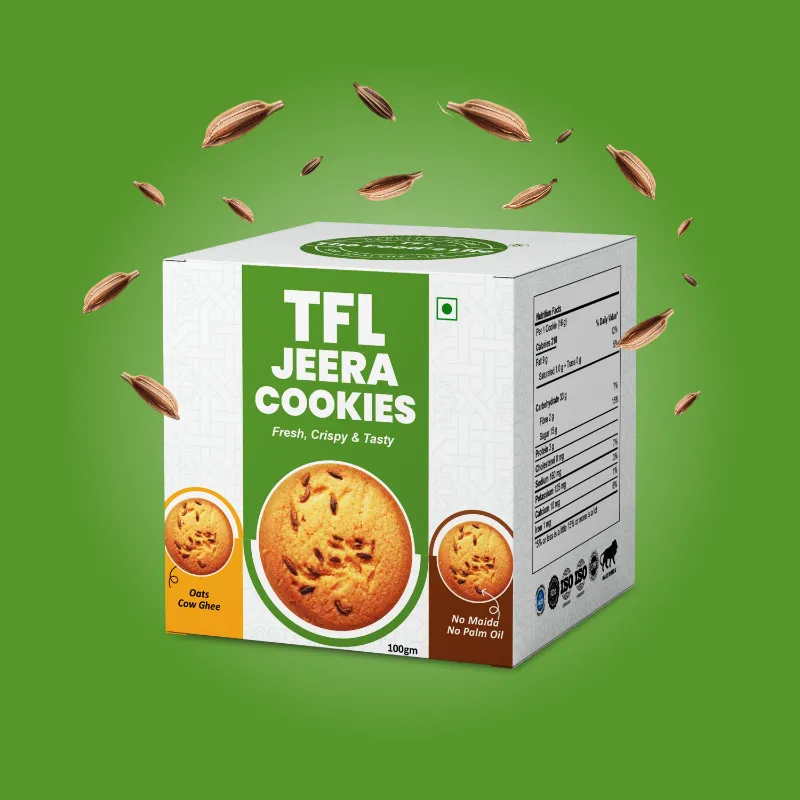
India Jeera Biscuits, Bakery Nankhatai, Coconut Cookies.
Reasons for the Different Types of Cookies and Biscuits
- Availability of local grains (wheat, oats)
- Regional Preferences (spices, citrus, nuts)
- Cultural Rituals (Tea-time, Festivities, Gifting).
Key Differences Between Cookies and Biscuits Explained
While cookies and biscuits are typically considered a type of cookie, they differ in texture, how they are prepared, and what they taste like. In addition to how they are prepared and the ingredients that are used to make them, cookies differ from biscuits based on the amount of each ingredient that is added to create each type of cookie and biscuit, and how these ingredients are processed prior to baking.
The Biscuit Cookies Difference in Texture and Taste
One of the most noticeable differences between cookies and biscuits is the way they feel when you eat them, and how they taste.
- Cookies: Soft, chewy, chunky; high fat content (high in butter, oils); dessert-like richness.
- Biscuits: Light, crisp, flaky; slight sweetness; better for dipping in tea or coffee.

Ingredients That Define the Difference Between Cookies and Biscuits
The types of ingredients used and how much of each ingredient is in cookies and biscuits are two of the biggest factors that determine how cookies and biscuits turn out.
Ingredients Typically Found in Cookies:
- Higher percentage of fat (butter/oil) = Softer cookie
- Higher percentage of sugar = Sweeter and spreadable
- Added bulk from other ingredients (chocolate chips, nuts, oats).
Ingredients Typically Found in Biscuits:
- Lower percentage of fat (fat = crispness)
- Minimal sugar content = Mild flavor
- Baking powder is sometimes added for increased airiness.
- Ingredient Proportions Table.
Baking Methods That Create Distinct Results
How The Baking Method Affects A Cookie or Biscuit
It’s all in the bake!:
- Cookies: Cook at a lower temperature = dough spreads out resulting in chewy dough in the middle of the cookie. Cookies are typically made using Room Temperature Ingredients & they may require refrigeration prior to shaping /baking.
- Biscuits: Cook at a higher temperature = dough stays compact so the biscuit has a firm /crispy finish.
Techniques Matter:
- The temperature used, will dictate how soft or how crisp the final product will be.
- Mixing methods affect the size and shape of the air pockets in the dough.
- How Dough is Handled will determine the final texture.
Popular Varieties You Must Try Today
The variety of cookies and biscuits available are plentiful and vary in their deliciousness, flavour, texture and cultural backgrounds. Cookies range from rich and gooey to crisp biscuits found on tea time tables and provide a variety of flavours to suit every mood and occasion. Baked products can be enjoyed daily, as festive treats or they can serve a more wholesome purpose if the products are made with whole grains or natural sweeteners. Below are some must-try types of cookies and biscuits to discover, whether you are a fan of traditional style snacks or you prefer to experience modern gourmet styles.
Iconic Cookie Varieties Loved Worldwide
All over the world, cookies are famous for their amazing taste, texture, and value as a nostalgic product. Most people keep these cookies in the pantry because of their timeless appeal.
Some of the most popular types of cookies around the world include:
- Almond Cookies - a healthy alternative to the traditional almond cookie
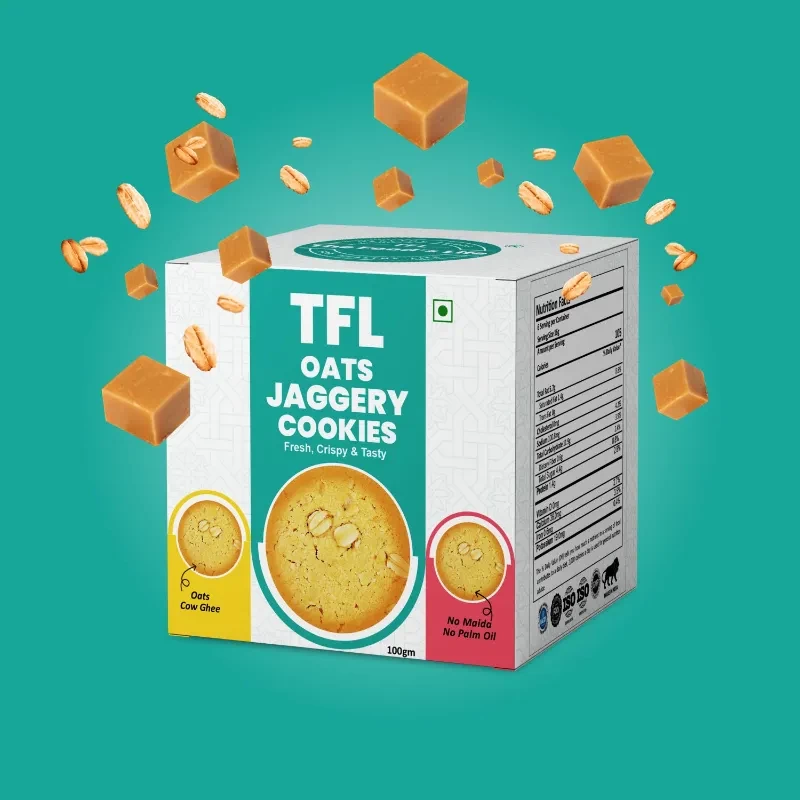
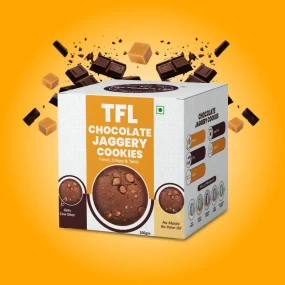
- Jaggery Cookies - a healthy substitute for traditional cookies made with refined sugars
- Ragi Chocolate Chip Cookies - a wholesome version of the classic chocolate chip cookie that uses ragi flour.

All these cookies are made from globally recognised ingredients while containing Indian ingredients that benefit your health and taste in every bite!
Classic Biscuits From Different Cultures
Many cultures have a long history of biscuit making, and each has its own unique style and technique. No matter if a biscuit is crispy, buttery, or crumbly, they typify a country through their flavor profiles and the ingredients used in their production.
These biscuits can be thought of as some of the most popular biscuit types produced around the world.
- Ragi biscuits - A highly nutritious byproduct of a traditional Indian biscuit recipe.
- Jaggery biscuits - A traditional biscuit suitable for everyday drinking tea.
- Multi - cookies or biscuits - A more modern style of biscuit made with the most nutritious ingredients available.
(These biscuits provide a means for you to experience the world of healthy snacking made with Indian grains.)
Must-Try Flavor Combinations and Trending Treats
Trends in cookie and biscuit flavors are constantly changing from the fusion of distinct flavor profiles to creating gourmet, health-conscious snacks. Innovative baked products allow for new taste sensations and make sharing snacks with friends even more enjoyable.
Some examples of the types of cookie and biscuit flavor combinations that are trending include:
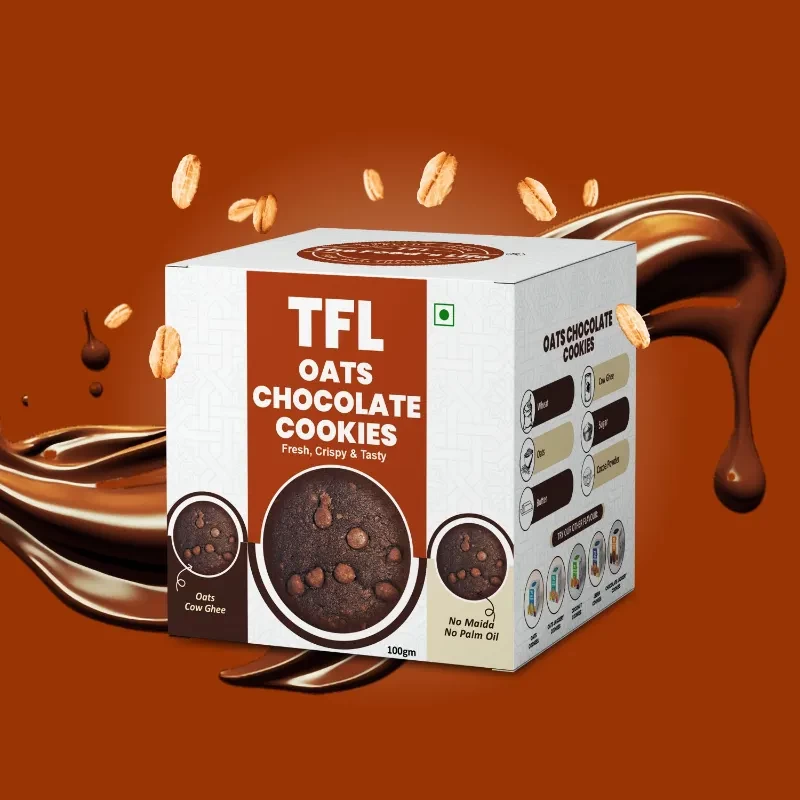
- Cocoa cookies - A chocolate- fusion that is taking off.
- Jaggery Coconut cookies - Natural sweetness with a nice tropical flavor.
- Dry Fruit cookies- A great crunchy, high-energy snack that makes a great gift.
(The combinations of creative flavors in healthier and tastier snacks.)
Baking at Home: Tips for Perfect Cookies and Biscuits Every Time
Baking from your home can be as much fun as it can be rewarding when you bake using technique. Knowing how to use techniques that will give you the best results will help you make whatever type of cookie you like best (chewy and soft) or crispy biscuits and you'll produce cookies and biscuits that are as good as they are from a store. When you bake cookies or biscuits at home, paying attention to how the dough acts, the temperature of your oven, and the proportion of your ingredients is important to producing top-quality bakery style cookies and biscuits at home. To assist in your efforts to bake bakery-style cookies or biscuits, here are some tips from an expert baker that will help you.
Essential Techniques for Chewy vs Crispy Cookies
There is a unique way of baking cookies and biscuits depending on their desired texture and there are some simple modifications to your technique that can yield significantly different cookie outcomes.
Chewy Cookies.
To make a chewy cookie you need to:
- 1. Use Brown Sugar or Jaggery to add a higher moisture content.
- 2. For a richer cookie, use an additional Egg Yolk.
- 3. Bake at Lower Temperature.
- 4. Chill Cookie Dough.

Other Healthy Cookie Options You Can Create:
- 1. Cookies Made with Flour.
- 2. Cookies Made with Jaggery Sugar.
- 3. Cookies Made with Ragi/Cacao (Chocolate).
(These methods can be used to create your preferred cookie texture using healthier ingredients.)
How to Bake Soft, Flaky, or Crunchy Biscuits
Biscuits are extremely sensitive to their preparation. Handling of the dough greatly determines if the biscuits are soft, flaky or crunchy.
1. Soft Biscuits:
- Utilize a higher fat to flour ratio, adding more fat (either through the butter or ghee).
- Mix only until well combined, mixing too long creates tough biscuits.
- For soft texture use cold butter.
2. Flaky Biscuits:
- Fold dough multiple times (similar to making pastry).
- To make layers, you must use solid, cold butter.
- Roll thicker than normal.
3. Crunchy Biscuits:
- Use whole grain flours to give more stability to the biscuits.
- Bake longer for better colour and crispness.
- Slightly reduce the amount of baking powder.
4. Try-Flaky & Crunchy Variants:
- Jaggery Biscuits - lightly crispy, full of nutrition
- Biscuits - ideal crunch from 100% whole grains.
Beginner-Friendly Baking Tips for Best Results
For those new to baking cookies and/or biscuits start simply and remember these four
important points:
- 1) To guarantee consistent baking temperatures, always set the oven temperature before adding baked goods.
- 2) Parchment paper should always be used; parchment paper keeps baked goods from sticking to the baking sheet.
- 3) Ingredient measurement is an important part of cookie making because baking is all about combining two or more ingredients in proportion to create the desired product.
- 4) Allow cookie dough to rest for several hours in order for it to provide a more uniform final product in shape and texture.
Beginner-Friendly Healthy Cookie Ideas:
- Almond Cookie
- Jaggery Cookie
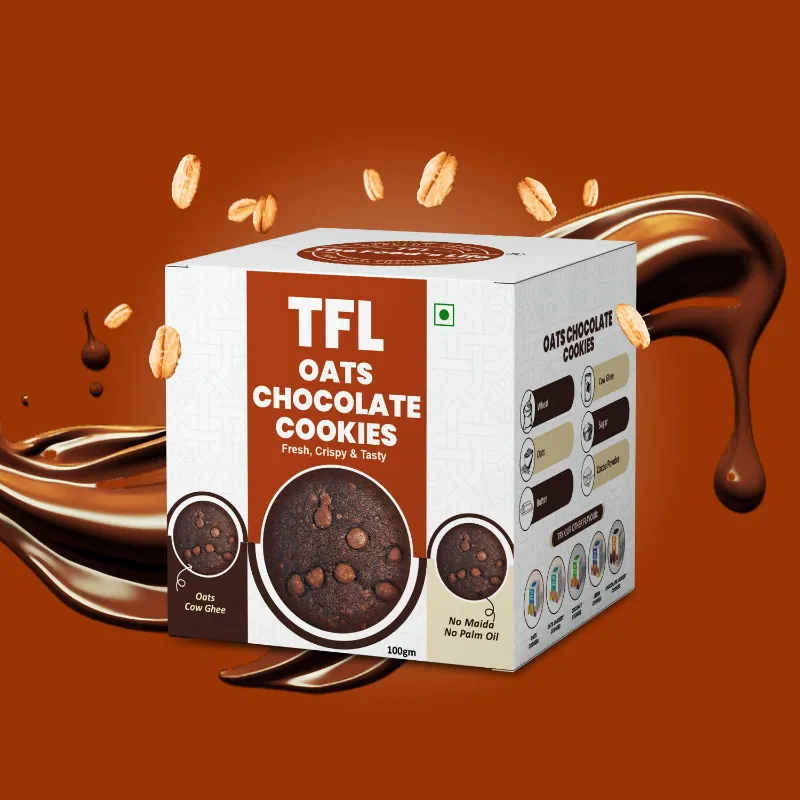
- Cocoa Cookie
(These recipes are perfect for beginners because they are simple to follow, forgiving of mistakes and taste great.)
Nutritional Value and Healthier Alternatives to Traditional Recipes
Cookies/Biscuits have evolved into more than just simple sugary and buttery treats. Nowadays, home bakers and manufacturers alike are focusing on healthier versions of cookies/biscuits that use whole grains, naturally occurring sweeteners, and nutrient-rich ingredients. With many modern versions of cookies/biscuits, they are not only still delicious, but also much healthier than their traditional counterparts. Healthy cookies, fiber-rich biscuits, gluten-free cookies/biscuits, and low-sugar sweeteners are just a few healthy options available to enable you to indulge in your favourite snack without any guilt. If you are managing your weight, improving your digestive health, or reducing your sugar intake, then by choosing a healthier alternative, you can snack smarter while still enjoying the delicious taste of cookies/biscuits.
Healthy Cookie Recipes for Guilt-Free Snacking
Healthy cookies are a good source of energy and fibre when you use mindful ingredients in their preparation. Healthy cookies can be ideal for every day, lunch boxes, and tea time.
Some Great Ingredients To Use For Healthy Cookies Include.
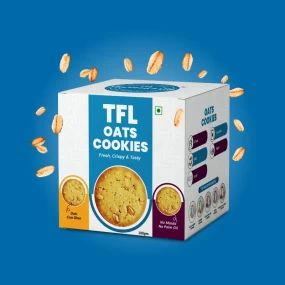
- Oats or oat flour.
- Almond or flour.
- Stevia, coconut sugar, or jaggery (natural sweetener).
- Dark chocolate, nuts, seeds.
- Cold pressed oils or ghee.

Low-Sugar and Gluten-Free Biscuit Options
Low Sugar Gluten Free Biscuits provide flavourful alternatives to heavier traditional recipes that are great for Diabetics, Gluten Intolerant individuals and Health-Conscious Families.
Benefits of Low Sugar Gluten Free Biscuits: What They Offer
- Lower Glycemic Index
- Help Manage Cravings
- Gentle on Digestion
- Good for Kids with Allergies
Healthy Biscuit Options:
- Gluten Free Oats Biscuits - Light and Crumbly - Perfect for Tea Time
- No Added Sugar Multigrain Biscuits - Naturally Sweetened
- Jowar (Brown Sorghum) and Biscuits - Excellent Source of Fiber and Minerals
(These biscuit options allow you to enjoy all of your snack opportunities and still feel great).
Vegan, High-Fiber, and Whole-Grain Variations
Vegan, High Fiber Cookies are becoming increasingly popular due to increasing consumer focus on the plant-based and digestive friendly categories of foods. Whole Grain Flours provide nutritional value, while still allowing consumers a flavourful product.
Why Choose These Products?
- Dairy Free
- Plant-Based
- Better Digestive Health
- Extended Duration of Energy
- Reduced Refined Sugar
- Rich in Vitamins and Minerals
Available Cookie Options:
- Whole Grain Cookies - High in Fibre, Ideal for Adult Consumption
- Vegan Oats Cookies - Dairy Free, Great Taste
- High-Fiber Digestive Cookies - Promoting a Healthy Guts
(These nutritious cookie options offer consumers a healthy option for an everyday treat).
The Role of Cookies and Biscuits in Celebrations & Everyday Life
Cookies and biscuits have a significant place in our history and memory as snacks, but also as love and connection among people during celebrations, tea breaks, and holiday festivities. Cookies and biscuits represent love, warmth, and joy across many societies, and are often found during family gatherings, festivals, or just during a moment of peace with a cup of tea...But with advancements in recipe development, incorporating healthier ingredients allows you to enjoy the traditions of cookies and biscuits without sacrificing your well-being.
Tea-Time and Coffee Pairings for Your Favorite Treats
Cookies and biscuits pair so well with hot beverages like tea, coffee, hot chocolate, etc.
Here are some examples:
- Oatmeal cookies & Green Tea (Light & Soothing)
- Multigrain cookies & Masala Chai (Comfortable & Earthy)
- Biscuits & Filtered Coffee (Bold & Strong)
- Honey Oats Cookies & Black Coffee (Balanced Sweet)
These blends create pleasurable moments of comfort during the typical afternoon tea break.
Cookies and Biscuits as Gifts, Festive Treats, and Party Snacks
Cookies are always a great gift because they are favored by most people and can be shipped easily and have so many different flavor options and varieties to choose from. They are also popular party treats as everyone loves them and they can be shared with friends and family easily.
Here are some reasons why cookies and biscuits are great gifts:
- They have long shelf-lives
- They look great in beautiful packaging
- They appeal to everyone at all ages.
- They come in so many different flavors that there’s something for everyone.

FAQs:
Q1. What is the main difference between cookies and biscuits?
Cookies are generally soft, dense, and chewy, while biscuits are light, crisp, and flaky.
Q2. Why do cookies and biscuits differ in texture?
Their texture varies due to differences in fat, sugar, and baking time—cookies use more butter and sugar, giving them a softer feel.
Q3. Which is healthier—cookies or biscuits?
Biscuits usually contain less sugar and fat, but cookies can be healthier when made with whole grains, oats, or low-sugar alternatives.
Q4. Are cookies and biscuits made with the same ingredients?
Yes, they share basics like flour, butter, and baking agents, but the proportions change the final texture and taste.
Q5. Can I bake cookies and biscuits with healthier substitutions?
Absolutely—swap refined flour for whole wheat or oats, use natural sweeteners, and add nuts or seeds for extra nutrition.
Conclusion: Elevate Your Snack Game—Incorporate More Cookies and Biscuits into Your Routine!
Cookies and biscuits are a great source of pleasure, comfort and delight in our everyday lives. They can provide a crisp, crunchy experience when eaten as biscuits or a chewy and sweet experience when eaten as cookies; there is an almost infinite number of combinations, including versions of cookies and biscuits that are nutritious and made from ingredients like oats, whole grains, and low-sugar sweeteners. One way to find these delicious snacks, without sacrificing wellness objectives, is to be mindful in selecting ingredients or using healthier packaged products. Place them in your pantry, enjoy them at celebrations, or simply serve them with your morning coffee or tea and they will brighten your day and make it just a little bit sweeter!



 +91 63528 07509
 sales@thefoodslife.com
 225, Orchid Plaza, Sama-Savli Rd, behind McDonald's, Vemali, Vadodara, Gujarat 390008