Cashew nuts are well-loved and considered one of the most popular nuts in the world with their amazing creamy flavor and great taste, but there are so many fun facts about cashew nuts that you probably don’t know from where they actually grow to how they are processed before they get to your plate.
Cashew nuts contain healthy fats, they have a source of plant-based protein and are full of minerals like magnesium and iron. This means that cashew nuts can be an excellent source of nutrition for you, so are cashews healthy? Yes, when you eat them in moderation they provide your heart with energy and can promote good health, which is why they are such a great addition to your balanced diet.
Just like everything else there are things to think about. There are many people who ask why cashew nuts are unhealthy, which can lead to questions of overdoing it, getting salt added in the processing of cashew nuts or having an allergy to cashew nuts. Once you have a good understanding on how you should eat or use all of those benefits and limitations, you can make smarter choices when snacking with cashew nuts.
Origins and History of Cashews: From Tropical Trees to Global Staple
The development of the cashew as a flavorful, healthy nut is an interesting story and demonstrates many different facets of the plant. In particular, one important thing to note is that the cashew has its origins in one specific area of the world, and that it has been distributed around the globe thanks to trade and adaptation.
By examining this origin story, it is possible to learn not only about the location where the cashew comes from, but also about whether or not the cashew is a healthy food; the fact that cashews have been used within traditional diets for so long further demonstrates the plant's nutritional value.
The Origin of Cashew Trees and Native Regions
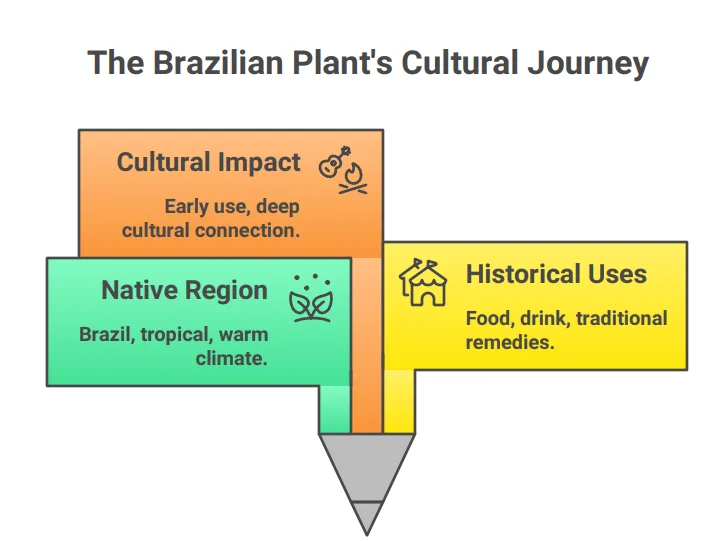
The cashew tree originated in the warm regions of Brazil's northeastern beaches.
Key points regarding the origin of cashews:
- First utilized by local tribes for both food as well as medicinal purposes.
- After harvesting, cashew apples either were consumed directly or fermented.
- The cashew tree became revered for being adaptable to drier climates.
How Cashews Spread Across the World
Cashews did not stay in South America. Portuguese traders brought Cashew to many different tropical areas in the sixteenth century.
The Global Expansion of Cashew
- Cashews were taken to India and started to grow there.
- Cashews continued to grow in both Africa and Southeast Asia.
- Cashews are well-suited to grow well in new climates and soils.
Early Uses of Cashews in Traditional Cultures
Before becoming commercially produced products, cashew nuts have long been used for many things as part of daily living.
Traditional Uses of Cashew Seed/Nuts:
- Roasted and eaten regularly as a snack
- Ground into pastes to cook with
- Used the fruit of the cashew tree to make juice or to create fermented beverages
Cultural Significance of Cashew Seed/Nuts:
- Used in many large holiday meals
- In some areas, considered a symbol of many good things
- Used in local medicine
Because of how cashew seeds/nuts were traditionally used in the past, we can better understand the reasons why they are considered unhealthy today. Cashew seeds/nuts themselves are not the reason for the issue; it is likely due to the way that we process them and how much we eat.
The Unique Growth Process: How Cashews Develop Outside the Fruit
One of the most shocking aspects of cashew nuts is that they do not develop in the same way as traditional nuts. Instead, they grow outside the actual fruit, which is why they are unique among all types of food. The fact that cashew nuts have this distinct way of growing changes the way they are harvested, processed and consumed.
Additionally, this relationship helps explain whether cashew nuts will be considered healthy food, as well as explain other questions about why cashews are unhealthy in general or when misrepresented.
The Cashew Apple and Nut Relationship
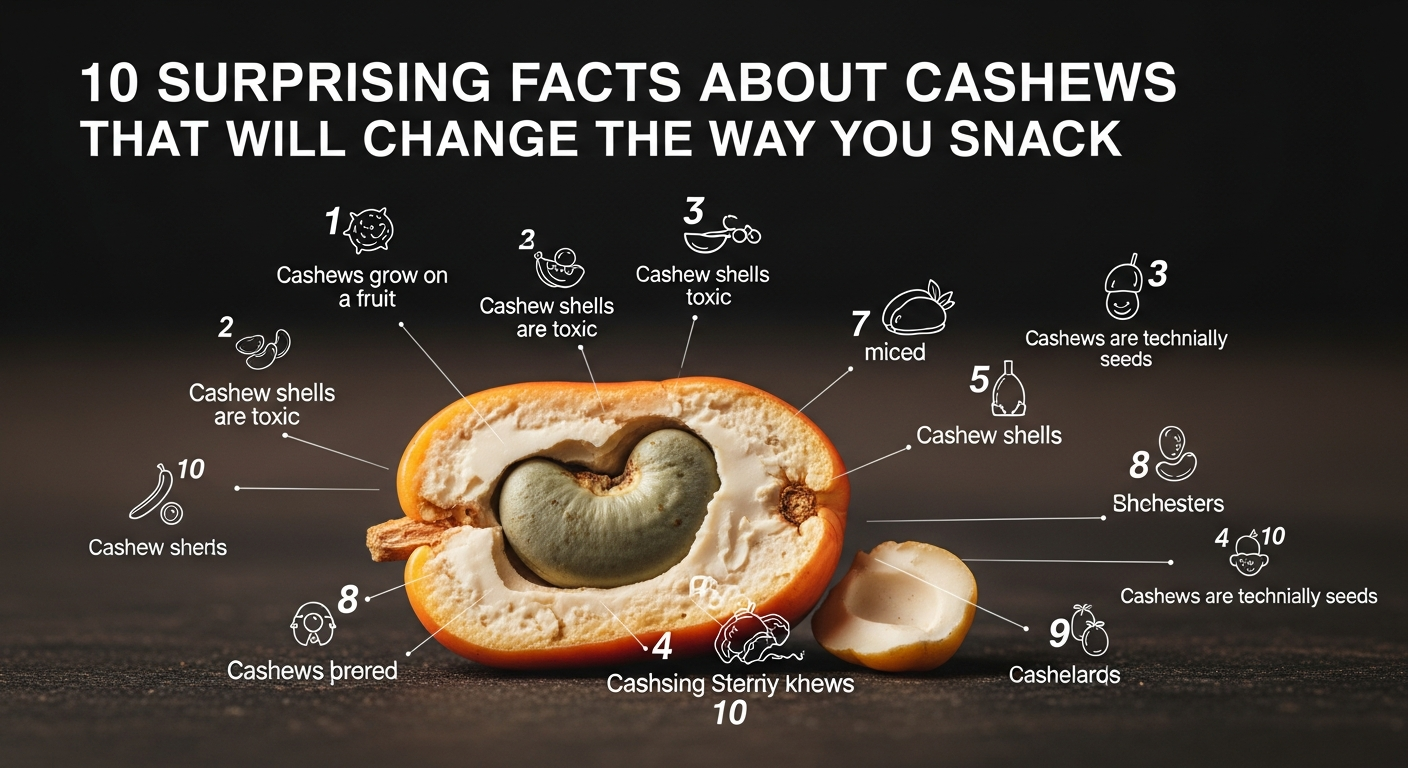
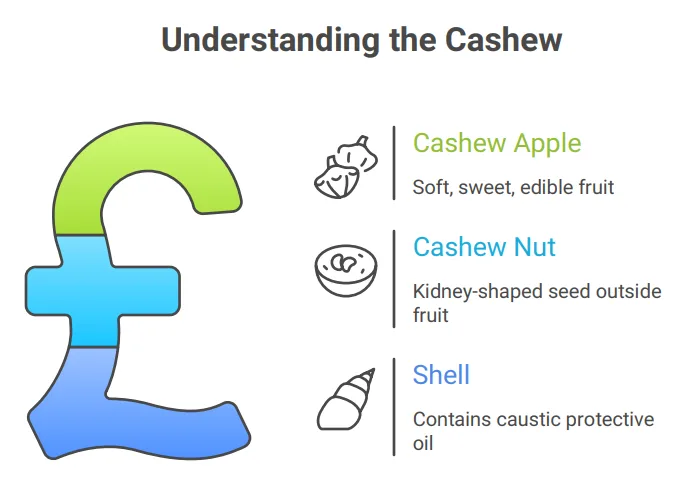
Cashew nuts grow from a structure that is called a cashew apple, which actually is just a swollen fruit stem for that species of tree and is not the actual nut.
Some key facts concerning this relationship are as follows:
- The cashew apple can be eaten because it's juicy, water-rich, and sweet
- The actual cashew nut is on the outside of the cashew apple and grows below
- The cashew nut has a hard shell containing an oily toxin inside.
Growing Conditions for Cashew Trees
Cashew trees require very specific environmental conditions to support their unique fruiting cycle.
What are the ideal conditions for growing cashews:
- A warm tropical climate
- Sandy or loamy soil with good drainage
- Sufficient rainfall and a sunny environment
Harvesting Cashews: A Unique Process
Cashews are not harvested from the trees directly like most crops—there is a unique process to it.
How cashews are harvested:
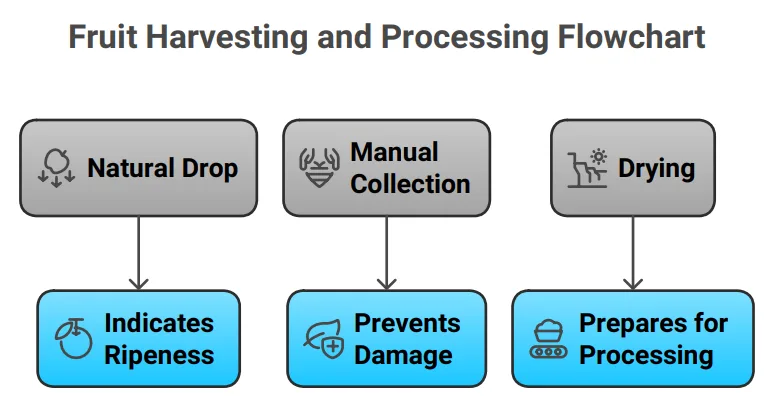
- Fruits that are ripe fall to the ground naturally
- Farmers harvest by hand (picking up the fallen apple)
- Nuts (the seeds) are separated from the apples
- The nuts need to be dried after the separation before they can be processed into a final product
Benefits of this process:
- Only mature nuts are harvested
- Minimal damage to the nuts through harvest
- Ensures quality and safety.
Nutritional Benefits: Why Cashews Are a Powerhouse for Health
Although cashews are yummy snacks they also contain lots of nutrition to provide your body with many of the essential nutrients (vitamins/minerals/healthy fatty acids) it needs to function properly. One important point about cashews is that they deliver these nutrients in a balanced way and can help provide you with the nourishment you need to sustain energy and stay healthy.
Thus, people often ask if cashews are considered to be healthy; and the answer depends on how many cashews you eat and how you incorporate them into your diet on an individual basis.
Cashew Nutrition Facts You Should Know
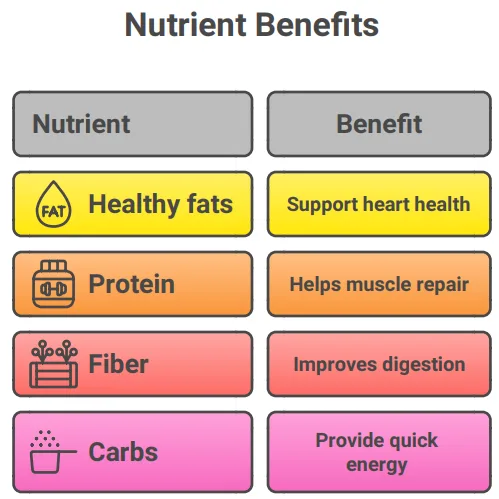
Cashew nuts contain a variety of macronutrients which work together to give the body energy.
Here are some highlights of the nutritional value of cashew nuts:
- Monounsaturated Fats (good for heart)
- Moderate amounts of Plant-Based Protein
- Carbohydrates ( natural source of energy)
- Dietary Fiber ( aids in digestion)
Vitamins and Minerals in Cashews
Cashews are full of essential minerals and vitamins that are necessary for sustaining one’s overall health and well-being.
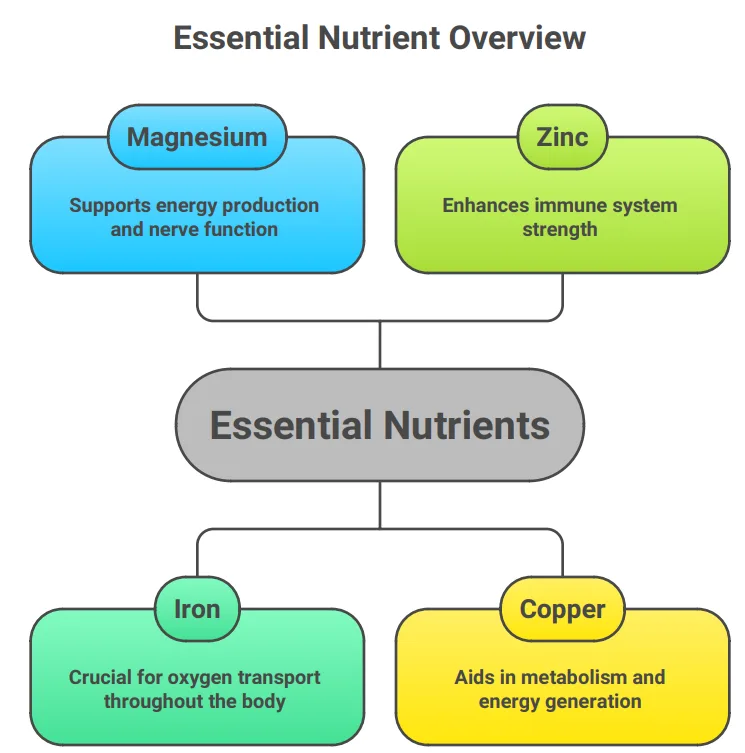
Important nutrients in cashew nuts include
- Magnesium provides support for the muscles, energy production
- Iron prevents fatigue
- Zinc improves immunity
- Copper helps in cellular function
Are Cashews Healthy or Not?
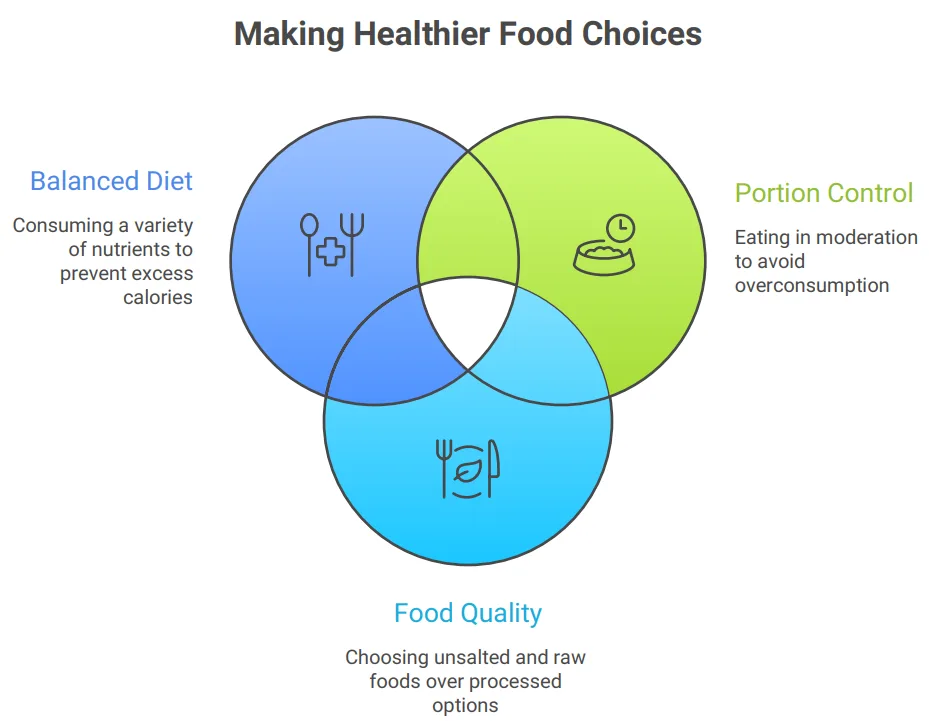
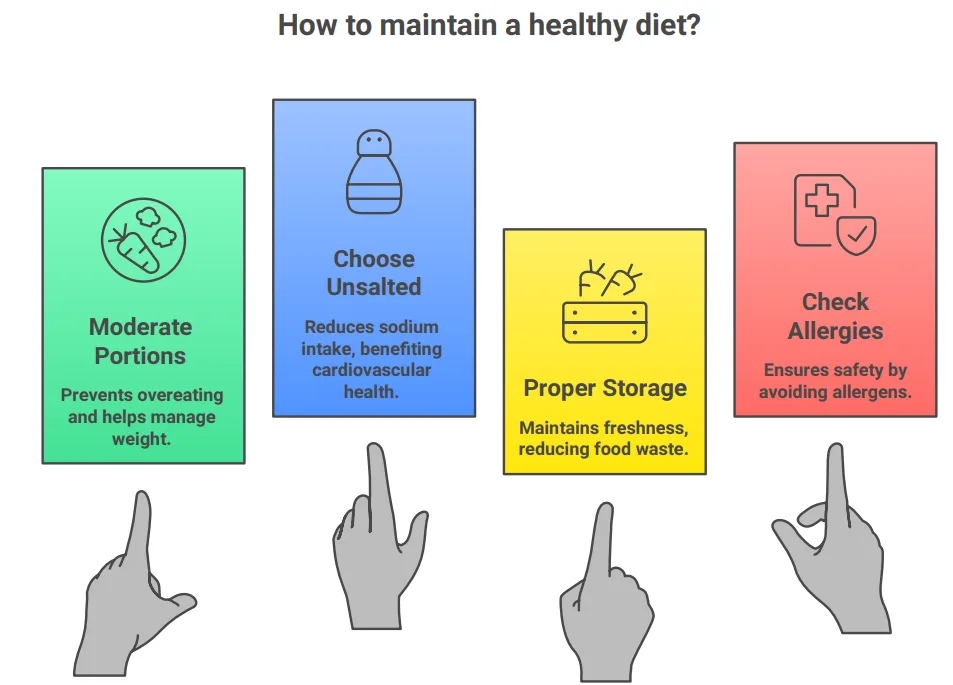
The question “Are cashew nuts healthy or not ?” can be answered by saying they are healthy when eaten in moderation.
What makes cashew nuts healthy includes:
- Fats are heart-healthy
- The brain and energy functions are supported with cashew nut consumption
- Contains antioxidants
What makes cashew nuts unhealthy (In Some Cases)
- When consumed in excess will cause an increase in total caloric intake
- Salted or flavored nut varieties can be high in sodium
- People with tree nut allergies should NOT consume cashew nuts.
Cashew Allergies and Safety Tips: What You Need to Know
While many people enjoy eating cashews due to their nutritional benefit; it is important for the consumer to be aware of the health risks associated with cashew consumption. In addition, there are important processes required before the consumer can eat raw unsalted cashews (or processed as roasted or flavored).
This can lead to confusion among the consumer regarding questions like "are cashews nutritional?" and "are cashews unhealthy?"
Are Raw Cashews Poisonous?
This is one of the largest misconceptions regarding cashew nuts.
The truth is;
- Raw cashew nuts from the tree have toxic substances.
- The nut has an oil on the shell that is caustic and similar to poison ivy.
- Commercially available cashew nuts (raw, roasted or flavored) are processed through heat treatment and have had their toxic oils removed.
Allergy Risks and Symptoms
Cashew nuts are a form of tree nut allergy and can be very serious to some people with this allergy.
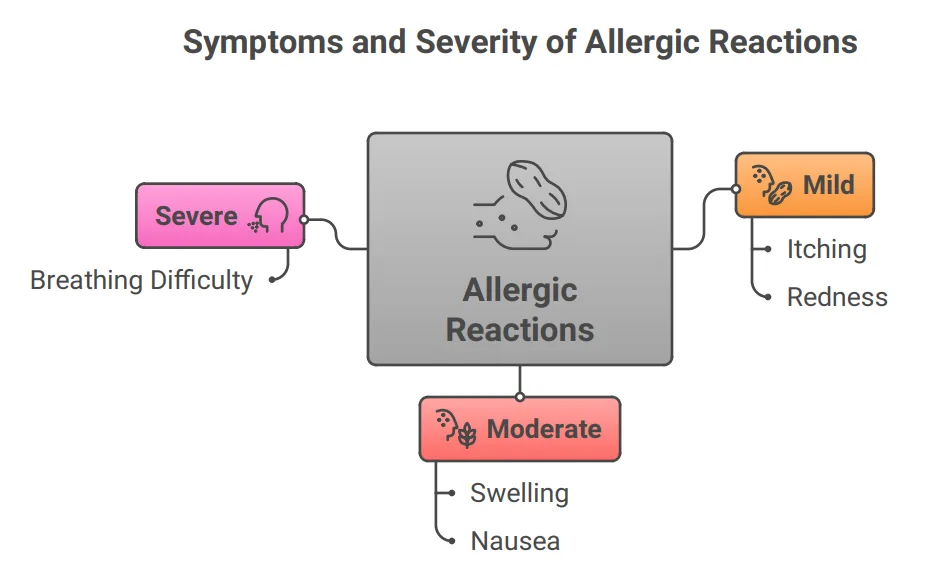
The most common symptoms include:
- Rashes or hives on the skin
- Swelling in the mouth and throat
- Discomfort in the stomach
- Shortness of breath (in severe reactions).
Safe Consumption Tips
If you want to safely eat cashews and get the most out of them, it's important that you know how to do this right!
The best will be to:
- Look for good quality, processed and pasteurised cashews
- Do not consume excessive amounts of calories (be careful when seeing large packages).
- Use only unsalted or minimally processed varieties.
- Store properly in a cool, dry place to avoid spoilage.
Enjoying this read? Get more like it.
Get fresh snack inspiration and updates from our team.
Cashew Production Around the World: Key Countries and Statistics
Not only do people eat them too often, but cashews also account as one of the largest agricultural commodities globally. However, most people are likely unaware of the extent of their global cashew production and how it impacts the economies of those countries.
In addition to understanding global cashew production, it helps to determine whether cashews are healthy or not to eat (with demand for the nut in so-called "healthy diets") to determine why processed cashew products can be unhealthy.
Top Cashew Producing Countries
Tropical climates with appropriate growing conditions create the best environment in which to grow cashews.
Cashew-producing nations ranked by their contribution to the overall production of cashews are:
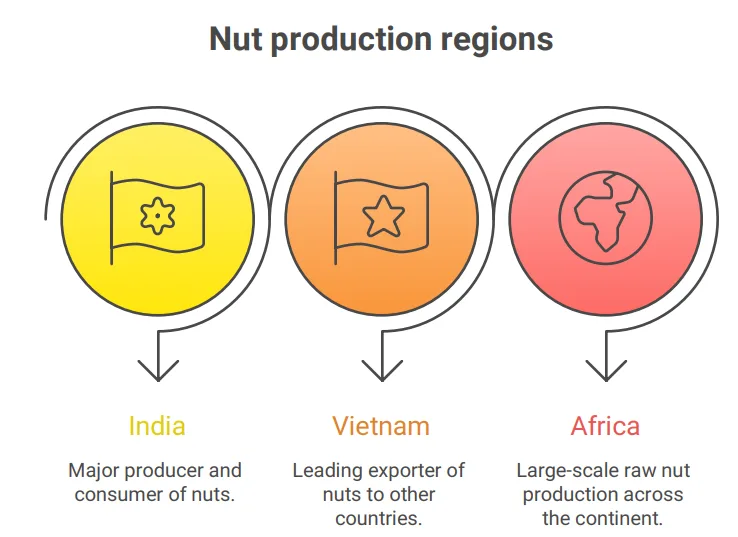
- Vietnam – Largest processor and exporter.
- India– Major producer and consumer.
- Ivory Coast – Number 1 raw cashew producer.
- Nigeria – Significant contributor to production in Africa.
- Brazil – The original producer of cashew nuts.
Global Cashew Production and Trade
The cashew industry has developed into a global market that is worth billions of dollars.
Important statistics about cashew production:
- Millions of tons are produced every year.
- The products are in high demand in the health-conscious market.
- The supply chain is export-driven.
Trade highlights:
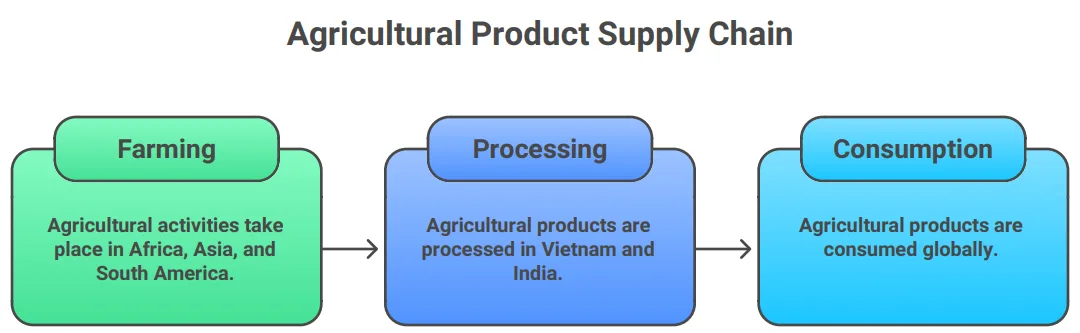
- Most of the raw cashew nuts are sent from Africa for processing.
- The processing of cashew products occurs mostly in Asia (specifically, Vietnam and India).
- The final products are distributed globally for use as snacks and food ingredients.
Economic Importance of Cashews
The economic significance of cashew nuts to farmers and workers around the globe cannot be over-emphasised.
The Economic contributions of cashews:
- Supporting income for Rural Families
- Creating jobs for harvesting and processing cashew nuts
- Increasing export revenues for developing countries.

Sustainability and Ethical Considerations in Cashew Farming
Generally, we do not consider the taste and nutrition of cashews; however, some little-known facts about them can also be useful in terms of how much they contribute to sustainability and ethics.
By researching the effects of cashew production on the environment, as well as on those who produce them, consumers can learn whether cashews are healthy or unhealthy depending on the context of their use.
Environmental Impact of Cashew Farming
Generally speaking, growing cashew trees is far more environmentally friendly than most other crops. Still, there are different effects that some forms of large-scale cashew production cause to the environment.
Positive Effects on the Environment of Growing Cashew Trees
- Less water is used in their growth than for most commercial crops.
- Deep root systems can help to curtail soil erosion.
- Growing in very dry and tropical conditions.
Possible Negative Effects on the Environment of Growing Cashew Trees
- Deforestation may occur as more and bigger plantations are built.
- Soil can be adversely affected by the overproduction of cashews.
- Waste products from processing cashews are not disposed of properly.
Ethical Issues in Cashew Production
Given the impact on agricultural production, harvesting and processing of cashews requires a lot of labor to accomplish the various tasks associated with these processes. In addition, there are several areas in which ethical issues arise due to manual labor with regard to the harvesting and processing of cashews.
Primary ethical concerns:
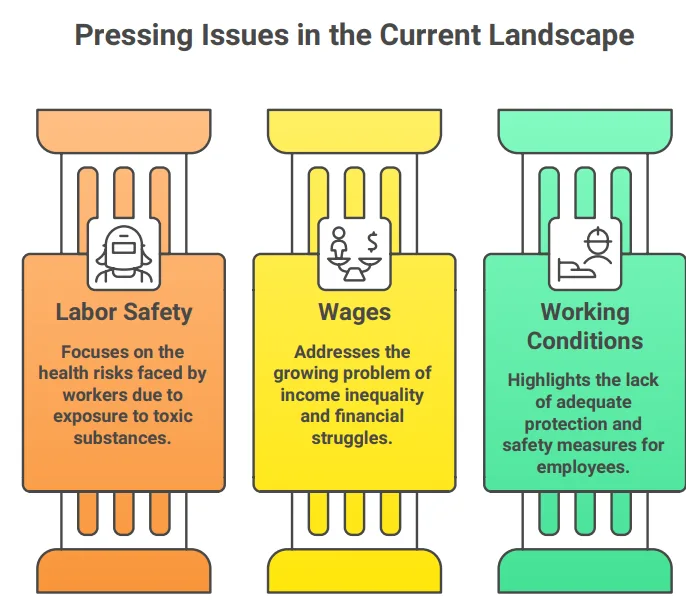
- Hazardous oils from the cashew nut shell
- No access to PPE (Personal Protective Equipment)
- Minimal wages in some supply chains
Why these issues are crucial:
- Safety of the worker
- Wages and working conditions that are fair
- Consumers are now demanding ethical sourcing
Sustainable Farming Practices
Many producers are now moving to sustainable methods of production due to the problems above.
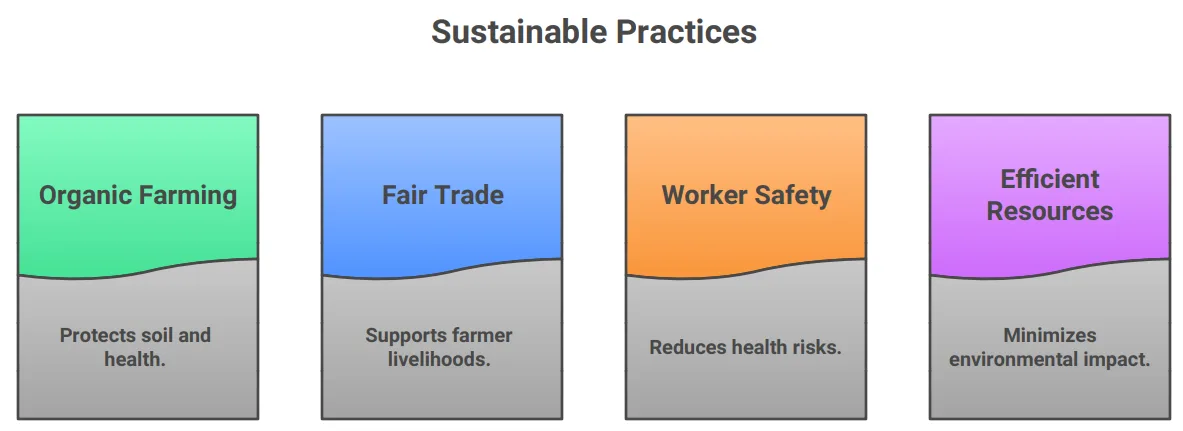
Some examples of sustainable practices are:
- Organic farming with no harmful chemicals
- Workers using personal protective equipment
- Fair trade certification for improved worker compensation
- Effective methods of water and soil usage
FAQs
Q1. What are some interesting facts about cashews?
Cashews grow outside a fruit called the cashew apple, require manual harvesting, and originate from tropical regions like Brazil.
Q2. Are cashews healthy or not?
Yes, cashews are healthy when eaten in moderation, as they provide healthy fats, protein, and essential minerals.
Q3.Why are cashews unhealthy for some people?
Cashews may be unhealthy for people with nut allergies or when consumed in excess due to high calories and added salt in processed forms.
Q4. Can you eat cashews every day?
Yes, eating a small handful of cashews daily is generally safe and beneficial for energy and overall health.
Q5. Are raw cashews safe to eat?
Yes, store-bought raw cashews are safe because they are processed to remove toxic shell oils.
Conclusion: Why Knowing These Facts About Cashews Makes You a Smarter Consumer
These facts about cashews go way beyond just simple nutrition and will help you make informed and mindful eating choices when it comes to what foods you eat and consume. Cashews are not just a tasty snack; they are grown differently from other commercially cultivated nuts, travel from place to place via many different forms of transportation, and play an important role in the economies of the environments where they grow. By learning more about the origin of cashews and their production methods, you will add value and meaning to every bite you eat.
When discussing whether or not cashews are healthy, once you see them through a different lens, you will see that they do contain many vitamins and minerals that confer potential benefits to healthy functioning throughout your body; however, all foods should be eaten in moderation. The more you are aware of the different contributing factors to the potential health issues associated with cashews (for example, serving size, added sodium, and processing), the more you will enjoy the benefits of cashews without experiencing any of the negative side effects that are commonly attributed to eating them.
So, the bottom line is: knowledge of the origins, nutritional composition, and sustainability of cashews will lead to making you a better consumer. You will learn how to appreciate the food that you eat and how it has been created, produced, and grown to help you develop a balanced lifestyle.