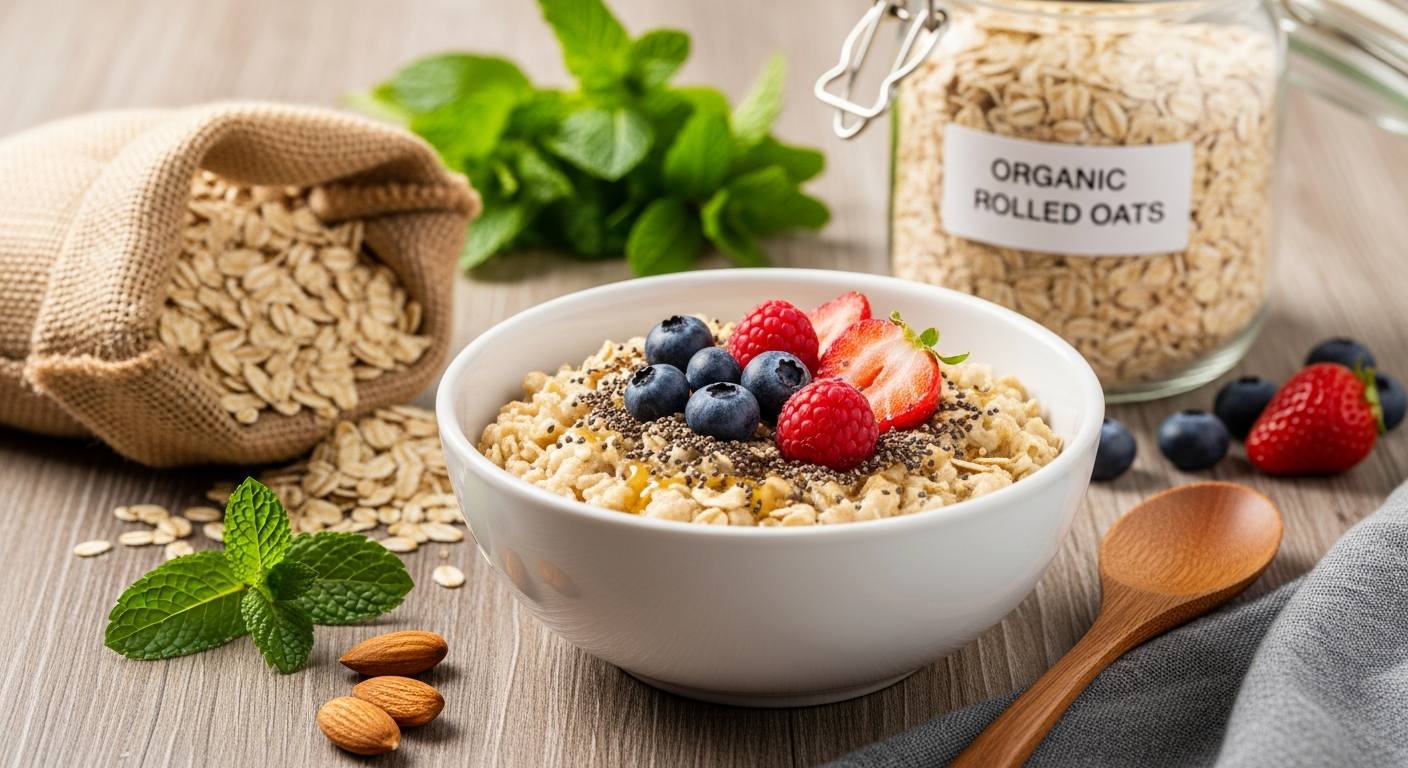
Oats are an ancient grain that has been part of our diets because of their density as a healthy grain and heart-friendly. Oats have been touted to be included in a healthy diet as an energy supplier without creating large fluctuations in your blood sugar levels.
Oats contain fiber, complex carbohydrates, and plant-based sources of protein. These nutrients take a long time to digest, which aids in controlling how quickly your glucose gets absorbed into your bloodstream and subsequently improves how well your body responds to insulin—all reasons why you're likely to see others ask "Can diabetics eat oats?" Most nutrition studies consistently recommend oats as a healthy and safe food choice when eaten in moderation.
There are many types of oats, from steel-cut oats to rolled oats to regular oatmeal, and they all fit within the framework of the meal planning for diabetes. When they do not contain added sugar, and you combine your oats with another source of protein or healthy fat, then you have a product that will allow you to maintain consistent energy, full feelings, and healthy levels of blood sugar.
Understanding Diabetes and the Role of Diet in Blood Sugar Control
Diabetes is a medical condition that prevents the body from controlling blood sugar effectively due to not having enough insulin or properly responding to insulin. Patients rely heavily on medication, but each day they make food choices that will affect their ability to effectively manage blood sugar over time.
Having a well-balanced diet that consists of slow-digesting carbohydrates, dietary fiber, and whole foods is necessary for maintaining a healthy level of blood sugar over time. When using oats for diabetes, one will experience the greatest benefits from consuming them on a regular basis because they allow for the continuous release of energy without developing a spike in glucose when they are consumed correctly.
How Diabetes Affects Blood Sugar Levels
Diabetics have higher levels of blood sugar after eating than non-diabetics and are able to maintain these levels for longer periods of time, especially if they eat refined or sugar-based foods.
Diabetes affects the blood sugar levels of diabetics in several ways:
- Diabetics typically experience a rapid increase in blood sugar levels after eating.
- Glucose will remain in the bloodstream longer than it does in non-diabetic individuals.
- Diabetics will continue to develop more insulin resistance over time.
- Diabetics are at a greater risk to experience fatigue and have cravings for more food.
The following explains how eating fast-digesting foods creates a greater spike in glucose after a meal, while slower-digesting whole grains, such as oats, help diabetics maintain normal glucose levels after eating. Therefore, the answer to the question, are oats good for diabetics, lies in the fact that whole oats contain slow-releasing carbohydrates.
Why Diet Matters More Than Medication Alone
Medications provide control of blood sugar levels, but how often that occurs in a day is primarily determined by what we eat (diet). The type of foods you eat can decrease the effectiveness of medications used to help with/manage diabetes.
Overall reasons why diet is so important:
- Helps control the fluctuations in daily blood sugar levels
- Decreases the amount of medication needed to control blood sugar
- Helps with lowering weight/insulin resistance
- Helps with overall metabolic health
In more detail, eating plenty of fiber (e.g. oats) will enhance insulin production and prevent spikes in blood sugar levels, however, if you do not provide your body proper nutrition (healthy food options), medications, even very strong ones, will not keep blood sugar stable. Therefore, including oats in diabetes meal planning will provide a better chance of keeping blood sugar levels stable every day.
Where Oats Fit in a Diabetes-Friendly Diet
Oats are a whole grain that provides soluble fibre, complex carbohydrates and plant protein; They are an excellent food option for managing diabetes when consumed in the proper amounts and prepared correctly.
Why Oats Are A Good Food Choice For Diabetics:
- Prepare Plainly, Low Glycemic Index
- High Soluble Fibre Content (Beta Glucans) Slows The Absorption Of Glucose
- Keep You Satisfied So That You Are Less Likely To Overeat
- Benefit Your Heart While Helping To Control Blood Sugar Levels
In More Detail Steel Cut And Rolled Oats Are Best Choices For Diabetics And Should Be Eaten With Some Form Of Protein Or Healthy Fat. Sweetened/Flavoured Oat Products Should Be Avoided. When Eaten In A Mindful Manner, oats are safe, supportive and nourishing foods for diabetes.
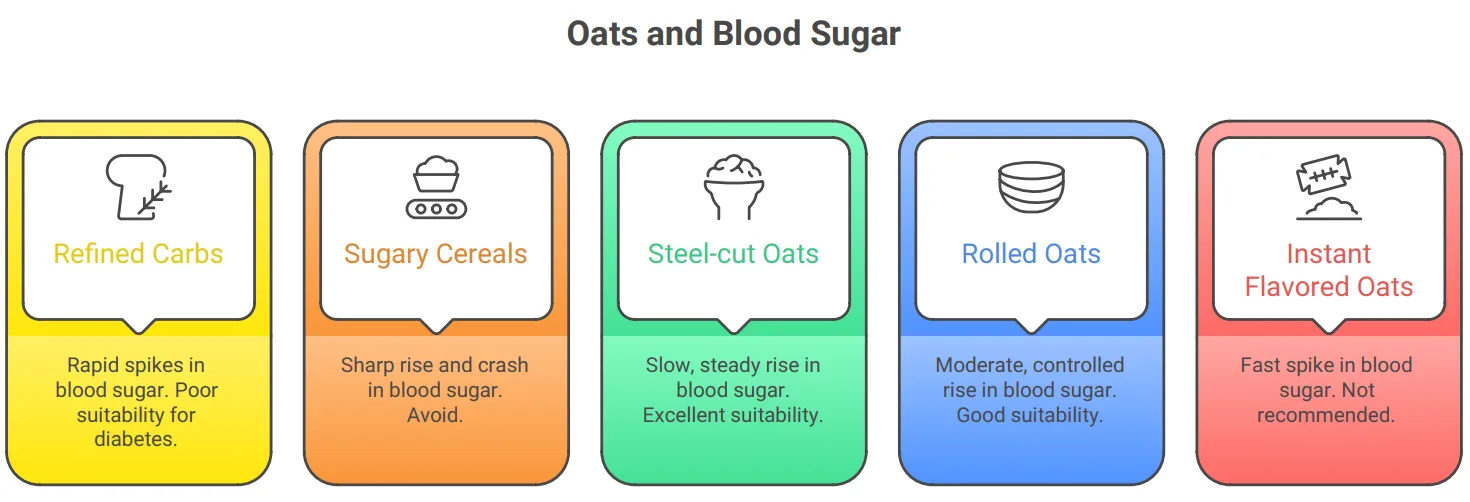
The Nutritional Power of Oats for Diabetes Management
A complete source of oatmeal is found in whole grains and has the highest nutritional value for those who manage their diabetes. Combination of soluble fibre, complex carbohydrates, and vegetable protein develops the way glucose enters the body through the bloodstream, delayed digestion, and enhanced energy production.
Unlike processed breakfast foods, which can lead to a quick spike in blood sugar levels (high sugar), oats provide you with consistency in energy levels through the day. As such, many diabetes experts recommend incorporating oats into your daily eating habits. However, the correct form and portion size are crucial to achieving & maintaining optimal energy and blood glucose levels.
Fiber Content in Oats and Diabetes Control
Fibre is one of the most important nutrients to manage diabetes. Fibres are found naturally in oats, and the soluble fibres are essential as compared to other soluble fibres found in grains.
How the fibre found in oats will assist diabetic patients:
- Delay Carbohydrate Absorption & Digestion
- Prevent Post-Meal Return of High Blood Glucose Levels
- Increase Insulin Sensitivity Over Time
- Promote Satiety and Avoid Overconsumption of Food
The soluble fibre in oats, which produces a gel-like substance within the digestive system (Digestive System and Breakdown of Carbohydrates), delays the breakdown of carbohydrates. This is a delayed carbohydrate release from foods, therefore, the soluble fibre oat foods help regulate blood glucose levels after meals which helps answer the question about whether or not diabetic patients consume oats.
Beta-Glucan Benefits for Diabetics
The source of beta-glucan is oats, a type of soluble fibre that has many benefits for managing diabetes.
Benefits of beta-glucan:
- Reduces the increase in blood sugar after meals
- Helps improve your body's response to insulin
- Lowers the levels of LDL cholesterol (the bad) cholesterol
- Helps support your heart health—an important aspect of diabetes management
More About the Benefits of beta-glucan:
Beta-glucan takes longer to digest than many other kinds of carbohydrates. By delaying the movement of food from your stomach and intestines into your bloodstream, beta-glucan can help you avoid those spikes in blood sugar after you eat, and thus can be a valuable component of a diabetes food plan. Furthermore, by managing blood sugar and cholesterol together, beta-glucan can help you keep both levels under control.
Whole Grains and Their Impact on Blood Sugar
Whole grains are made from the three parts of the grain (bran, germ, and endosperm); therefore, whole grains are healthier for diabetics than refined grains.
Reasons why whole grain foods, such as oats, should be the main source of carbohydrate in your diet:
- They contain complex carbohydrates.
- They take longer to digest than refined grains.
- They provide consistent energy to your body.
- They help reduce the risk of developing insulin resistance.
More About Whole Grain Foods:
Because of the way they are processed, whole grains do not produce the same dramatic increases in blood sugar levels after eating as many refined grains (like white bread and sugary cereals). By regularly including whole oat products in their diet, diabetics can maintain better long-term control over their blood sugar levels and effectively manage their weight, two important aspects of managing diabetes.
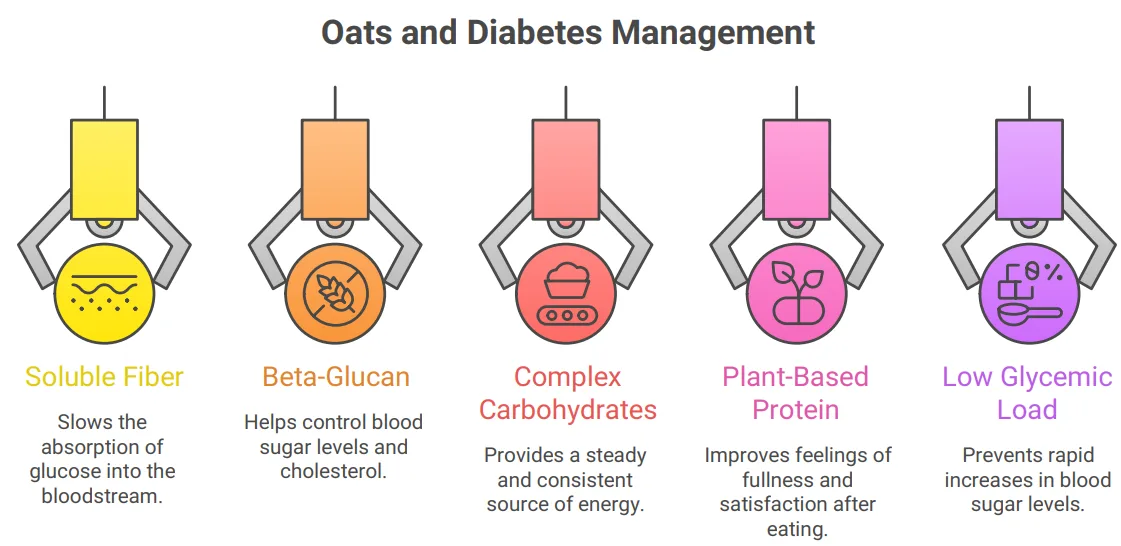
How Oats for Diabetes Help Manage Blood Sugar Levels
Diabetes cannot be treated only by avoiding sugar; instead, patients must also eat foods that produce slow, even energy. Oats have both the ability to do this and provide various health benefits to diabetics. Since oats are a source of complex carbohydrates, soluble fiber, and various types of phytochemicals and other plant-derived nutrients, they regulate the amount of glucose that enters the bloodstream.
When prepared simply and consumed in appropriate serving sizes, oats enable those with diabetes to keep their blood glucose levels constantly stable without having extremely high or low blood sugar levels at any given point in time.
Slow-Release Carbohydrates in Oats
Oats contain complex carbohydrates that break down slowly during digestion unlike refined carbohydrates, which cause a rapid rise in the blood glucose level. Slow-release carbohydrates help people with diabetes manage their blood sugar levels by:
- Releasing glucose slowly into the bloodstream,
- Decreasing the rise in blood glucose after meals,
- Helping diabetes maintain stable blood glucose levels, and
- Decreasing the chances of experiencing sudden feelings of hunger.
To sum up, oats contain a unique carbohydrate structure that results in a slower absorption rate of carbohydrates than the average carbohydrate consumed. For this reason, many people have asked "Are oats good for diabetics?" and have received the same answer: yes, the slow absorption of carbohydrates from oats can help control the amount of glucose in the blood after a meal.
Oats and Improved Insulin Sensitivity
Insulin Sensitivity is how effectively your body uses Insulin to keep your Blood Sugar levels stable. Foods such as oats are rich in soluble fiber, so adding oats into your daily diet can improve how well the body responds to Insulin.
Benefits of Oats To Improve Insulin Sensitivity:
- Better utilization of Insulin
- Lowered Insulin Resistance
- Glucose uptake into the cells is improved
- Increased management of complications from diabetes
The soluble fiber in oats and the beta-glucans contained in oats improve the way that your cells respond to Insulin, allowing for better movement of glucose from the blood into your cells. By regularly including oats in your diabetes meal plan, it will help you achieve better metabolic control over the years.
Steady Energy Without Sugar Crashes
The biggest problem in controlling your energy levels is the need to maintain a constant level of energy and avoid sugars that create extreme energy fluctuations.
Why Oats Create a Steady Source of Energy:
- There is a nice balance of carbohydrates in relation to fiber in oats.
- The slower digestive process of oats does not give you those dip in energy that can happen too quickly.
- Oats help you avoid fatigue and craving for sweets.
- Steady blood sugar ragged levels with oats.
Oats are an extended source of fuel versus the high-calorie sugary breakfasts that cause spikes in your energy level followed by crashes. Oats can be an excellent source of energy for diabetic patients searching for a source of steady energy throughout their day.
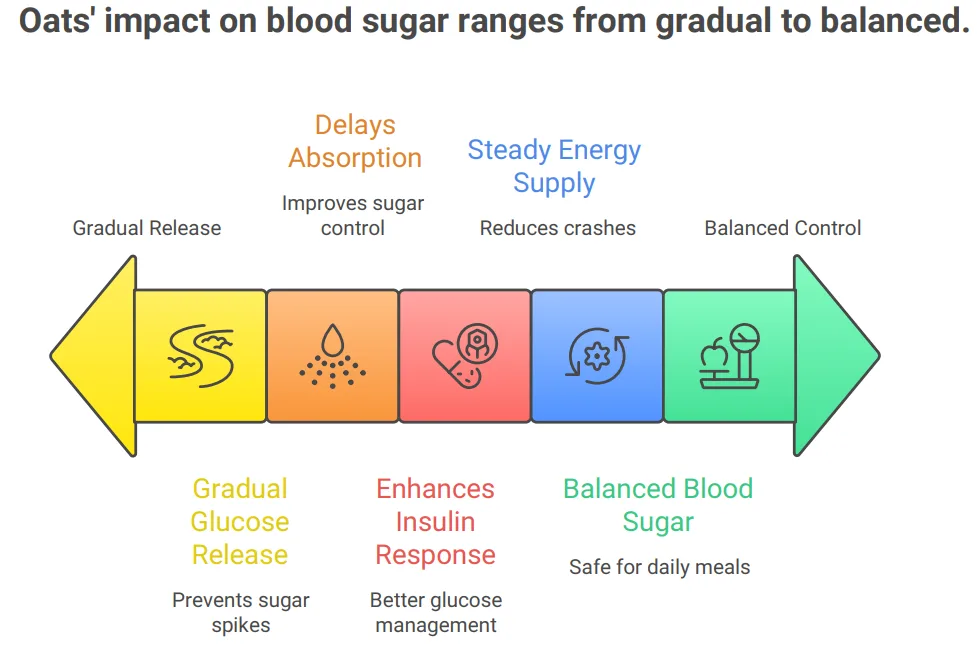
Best Types of Oats for Diabetes: Which One Should You Choose?
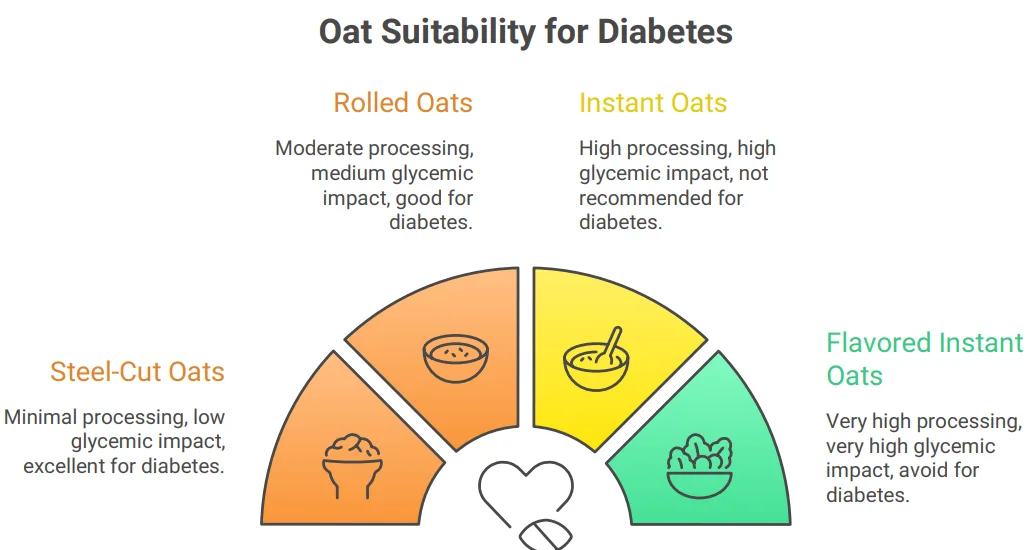
There are different types of oats available, and each affects your blood sugar differently. Therefore, you must know the differences and select the best type of oats for you. All oats are considered a healthy addition to your diet, but how much processing has occurred to each oat type affects how fast the oat will have an impact on your blood sugar level. By being aware of the various types of oats available (Steel cut, Rolled & Instant), it allows individuals with diabetes to plan meals appropriately.
When combined with other foods and selected wisely, oats for diabetes management will also provide you with a constant supply of energy, increased feeling of fullness, and improve your overall glucose control throughout the day.
Steel-Cut Oats for Diabetes Control
Steel-cut oats are the least processed version of oats. Steel-cut oats are the least processed version of oats because they are created by slicing the entire whole oat grain into small pieces, as opposed to being flattened.
Benefits of Steel-Cut Oats For People with Diabetes:
- A Very Low GI
- High in Fiber
- Provides a Slow Release of Energy
- Helps to Maintain Steady Blood Sugar for a Longer Period of Time
In-depth Benefit of Steel-Cut Oats: The slow digestion and absorption rate of steel-cut oats makes it possible for them to release glucose into the bloodstream at a slower rate. As a result, steel-cut oats are often the number one recommendation for people asking this question: Is oatmeal good for people with diabetes? In addition, the chewy texture and longer cooking times of these oats promote more mindful eating which further assists in stabilizing blood sugar levels.
Rolled Oats in Diabetes Meal Planning
Rolled oats are processed by first cooking them with steam and rolling them flat, allowing them to cook much more quickly than other oat varieties while retaining most of their original nutrients.
Benefits of rolled oats for people diagnosed with diabetes:
- Moderate glycemic index.
- Good ratio of fiber and convenience.
- Can be used for both sweet and savory dishes.
- Very easy to combine with protein and healthy fats.
Rolled oats are very appropriate for individuals with type 1 and type 2 diabetes that will be using them in everyday meal plans. Plain rolled oats with a topping of nuts, seeds, or yogurt have a very stable sugar response and do not cause large spikes in blood glucose levels when included in an oatmeal meal plan for diabetes.
Why Instant Oats Are Risky for Diabetes
Short version of how instant oats are created from cooking, then steaming, and then rolling flat makes instant oats cook very rapidly and are easier to digest than other varieties.
Concerns regarding using instant oats:
- High glycemic index
- Rapid rate of glucose absorption.
- Have added sugars.
- Less fiber in each serving.
While instant oats may seem more convenient, they create fast spikes in blood sugar levels. Instant oats should be avoided if you are diabetic or used only occasionally in their plain and unsweetened varieties, as this will cause a significant difference when considering which oats may be suitable for an overall diabetes meal plan.
Enjoying this read? Get more like it.
Get fresh snack inspiration and updates from our team.
Healthy Ways to Eat Oats for Diabetes Every Day
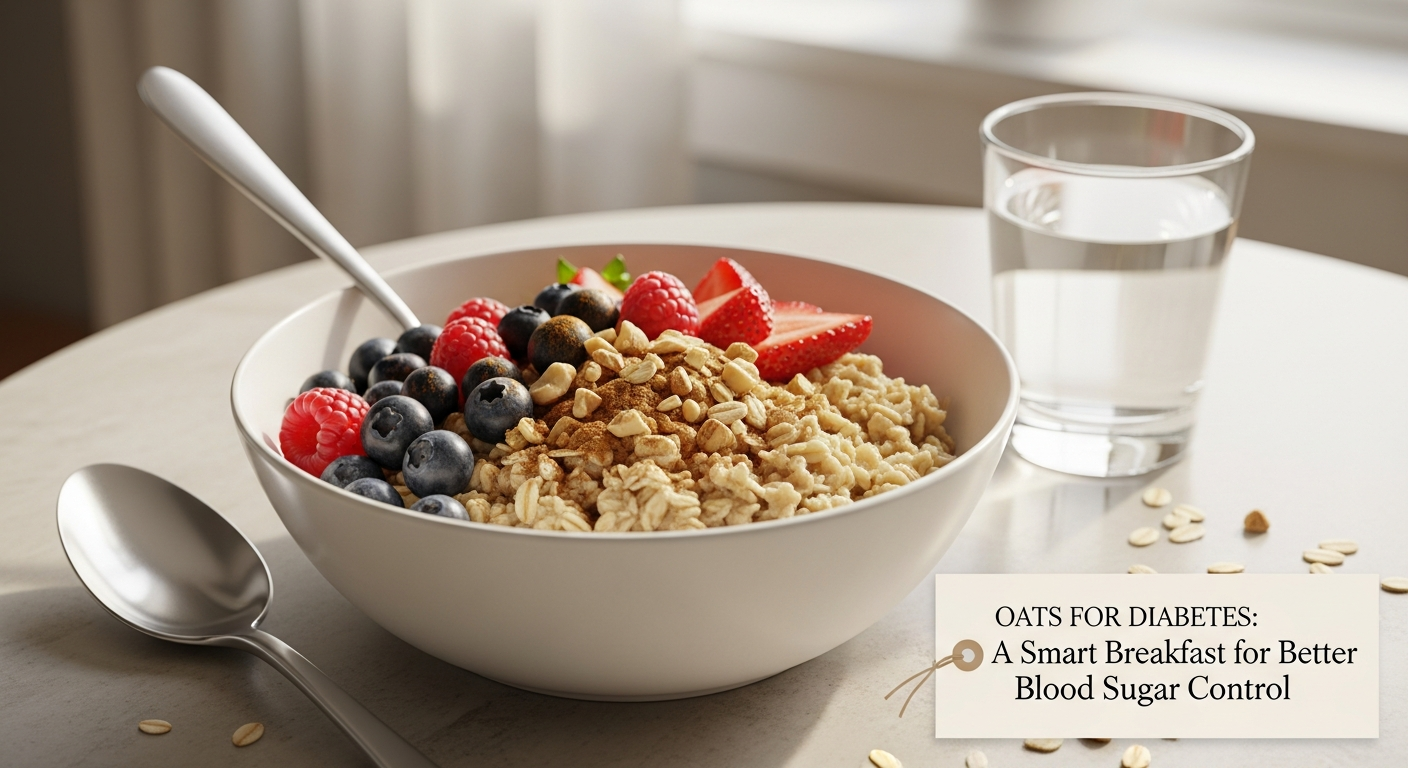
Eating oats on a daily basis is safe for people with diabetes, as long as they are prepared properly. The best way to do this is to use simple recipes that provide a variety of ingredients in them that will help slow down digestion and prevent blood sugar levels from rising too high.
Combining oats with foods high in protein, healthy fats and fiber allows you to include oatmeal for diabetes as part of your regular daily diet. How you cook oats and the other ingredients used will determine how well your body processes glucose and helps maintain energy levels over time.
Diabetic-Friendly Oatmeal Recipes
Plain oatmeal recipes made with whole food ingredients work much better for blood sugar management than any other cooking method.
Best Practices for Diabetic Oatmeal:
- Steel Cut or Rolled Oats
- Cook Oats in Water, or Use Unsweetened Milk.
- Add Nuts/Seeds, or Nut Butter for Protein Value.
- Use Cinnamon/Cardamom Instead of Sugar.
Using plain oatmeal with high-fiber toppings will slow the absorption of carbohydrates and increase your feeling of fullness. Do Not Use added sugars, like white sugar, jaggery, honey, or syrup. When prepared properly, there is a lot of debate about whether oats are good for diabetes, but ultimately the answer is yes, especially when you use balanced recipes.
Overnight Oats for Diabetes
When prepared properly overnight oatmeal is a convenient way for those with diabetes to enjoy breakfast.
The logic behind How Overnight Oats Benefit Diabetics:
- The soaking of oats slows the rate at which the body digests the good and converts them to glucose.
- Increased fiber makes the benefit of eating oats for diabetes more effective.
- Eating overnight oats helps to reduce the risk of elevated levels of glucose in the blood after eating because of their high fibre content.
- Portion Control is made simple when eating Overnight Oats.
Soaked oats take longer to break down and do not cause a surge in Blood Sugar or Glucose. It is best to prepare Overnight Oats using Plain rolled Oats, Non-Sweetened Yogurt or Almond Milk, and Low-Glycaemic Fruits such as Berries. These components work together to create a meal that is in harmony with the daily living of those with Diabetes.
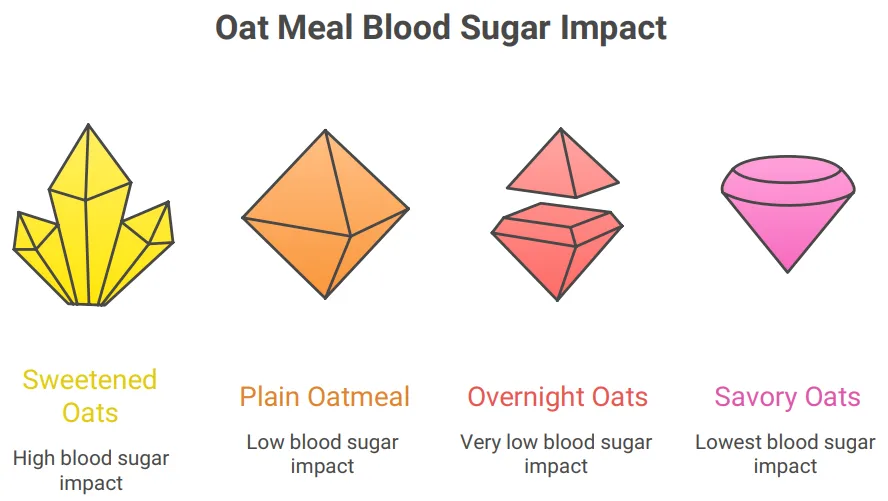
Savory Oats Options for Diabetics
The Cooking Method for Savoury Oats is the Healthier Ways to Prepare Oats for Diabetics than Sweet Oats.
Some ideas of Healthy Savoury Oatmeal include:
- Vegetable Oatmeal Porridge
- Oats Upma made with Non-Starchy Vegetables
- Oats Khichdi made with Lentils
- Oats Soup made with Herbs and Spices
Savoury Oatmeal includes all the benefits of Oats without the added sugars. Oats made this way provide better control over Sugar Levels in the Blood Stream, while adding Nutritional Value to Your Meals, including Vegetables, Legumes, and Spices. Therefore, Savoury Oatmeal is an Enjoyable Way to Eat Oats if you are concerned about your Health and Blood Sugar Level.
Cautions When Eating Oats in Diabetes
While oats have been proven to be highly advantageous, for the treatment of blood sugar control, it is critical for those with diabetes when incorporating them into their diet to be aware of their portion size, added ingredients, level of processing, and so forth. Therefore, by understanding these cautions, answers are given to the commonly asked question "Are oats good for diabetics?" Yes. However, only when the selection and method of preparation are considered. To ensure that oats for diabetes are supportive and not problematic, it is important for the person with diabetes to be aware of what is listed on the label, the serving size, and the balance of the meal.
Portion Control with Oats for Diabetes
Even when consuming healthy foods, including oats, if consumed in excess can elevate blood sugar.
Important Aspects Regarding Portion Control:
- The larger the serving size, the greater the total carbohydrate load
- The greater the total carbohydrate load, the greater the chance of a post-meal glucose spike
- The smaller the serving, the better the glycemic control.
- Adding other foods that produce less of an increase in insulin (protein/fat) to the meal will help reduce the amount of insulin required after the meal.
When including oats in the daily meal plan of diabetics, it is best to consume a small portion of oats along with a source of protein and a healthy fat. Consuming larger portions (even if the grain is a whole grain) can elevate blood sugar levels.
Hidden Sugars in Flavored Oats
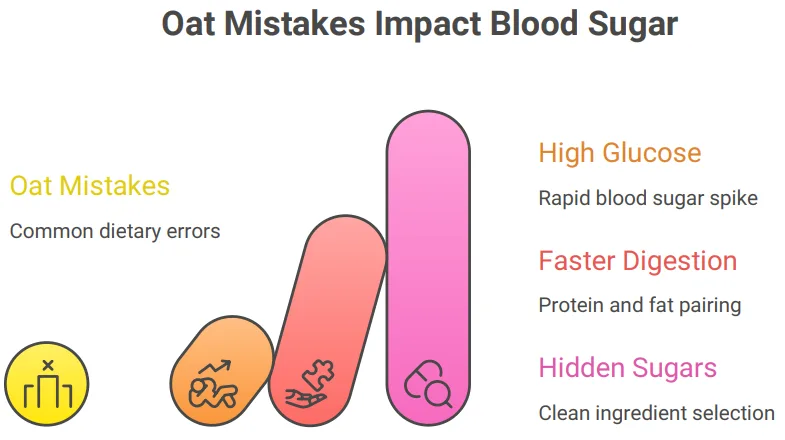
Sugar is usually added to many retail oats, which can increase your blood sugar quickly.
Common hidden sugar ingredients are:
- Instant oatmeal-flavored packets
- Syrups or sweeteners
- Dried fruit that contains sugar
- Artificial flavors
Added sugars change an otherwise healthy grain (oats) to a high-glycemic index food (meal). Plain steel cut or rolled oats are the best choice. To ensure that you are consuming oats safely without adding unnecessary sugar to your diet, you should read labels on all packaged oat products closely.
Understanding Glycemic Load of Oats
The glycemic load is determined by the type of carbohydrate and the portion size, and therefore it is very important for people with diabetes.
Factors that have an impact on glycemic load are:
- Type of oat (i.e. steel cut or instant)
- The portion size that you eat
- The cooking method used to cook the oats
- What you add to your oats (sugar, milk, etc.)
Steel-cut oats have a lower glycemic load than instant oats because steel-cut oats are digested slower than instant oats. When you eat oats in conjunction with foods containing fiber, protein, or fat, it lowers the effect of oats on your blood sugar. Understanding the glycemic load of oats will help you determine how you can consume oats effectively and safely while you are living with diabetes.
Expert Tips to Maximize Benefits of Oats for Diabetes
Oats are a very healthy food choice for individuals with diabetes, but choosing the right ways to consume them has an equal impact on blood glucose levels. A few simple changes to food pairings, meal timing and self-monitoring can create dramatic improvements in glucose levels.
Nutritionists suggest that the high fibre content and slow-digesting carbohydrates of oats make them a good choice for diabetics, but many still have the question, Are oats healthy for diabetics? Yes, if eaten in the right way as part of a healthy eating plan.
Pair Oats with Protein and Healthy Fats
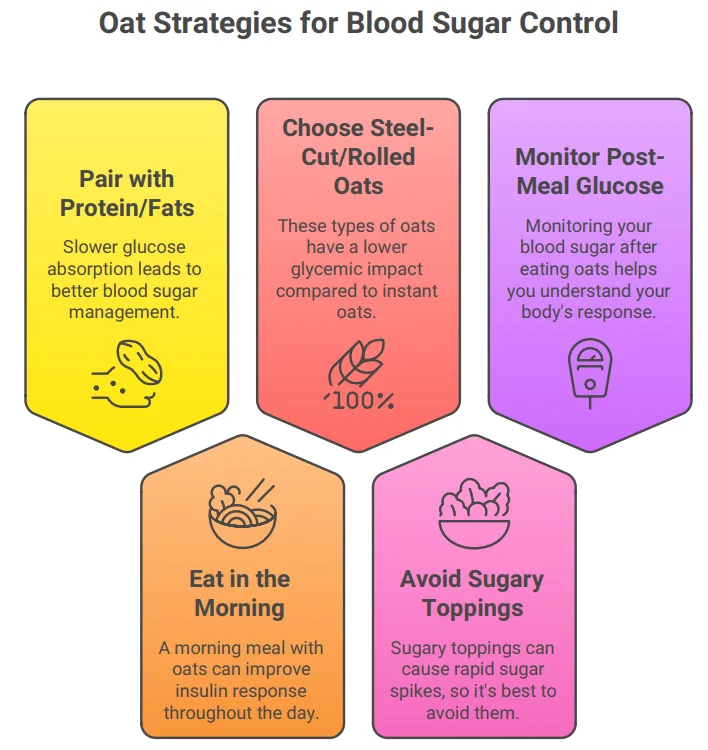
A good combination of oats with protein and healthy fats creates slow digestibility and reduced glucose spike post-meal.
Good combinations of foods to eat with oats:
- Nuts and seeds (almonds, walnuts, chia or flax)
- Nut butter (almond, peanut)
- Greek yogurt or curd
- Eggs or boiled lentils (for savoury oats)
When you combine oats with protein or healthy fats, it slows down gastric emptying and causes glucose spikes to be slower, therefore the use of oats for diabetes is much more effective in controlling blood sugar and helping you feel full for longer periods of time. The consumption of oats alone will digest faster than when combined as a meal with protein and healthy fats, therefore will have a better glucose stabilization effect.
Best Time to Eat Oats for Diabetics
Timing has a significant impact on how oats affect your blood glucose level.
Here are the recommended times to consume oats:
- Breakfast (Most Common)
- Post Workout Meals
- Early Lunches for Extended Energy
- More information about Each Meal Time
Breakfast is the best time to eat oats, as that is when we generally have the greatest insulin sensitivity early in the day. The body is able to utilize carbohydrates much more effectively during this time. By consuming oats during times when you are most active, you can achieve the maximum benefits of oats, making the inclusion of oats in a diabetes-friendly diet much safer and effective when correctly timed.
Monitoring Blood Sugar After Eating Oats
It is essential to regularly monitor your blood glucose levels in order to understand how your body responds to oats.
Here are Some Important Reasons for Blood Sugar Monitoring:
- Identifies Your Individual Tolerance to Oats
- Helps You Modify Your Portion Size Based on What Works For You
- Provides You With Insight on The Effects of Toppings and Pairing With Other Foods
- Helps Prevent Glucose Spikes You Are Unaware of
More Information About Checking Blood Sugar 1–2 Hours After Eating Oats:
The most valuable information can be gained from monitoring your blood glucose levels 1–2 hours after consuming oats. All people's physiology is different; therefore, from monitoring your glucose levels, the diabetic can safely tailor their incorporation of oats into a diabetes-friendly diet according to their own personal response to them.
FAQs
Q1 - Is oats good for diabetics every day?
Yes, oats can be eaten daily by diabetics when consumed in controlled portions and prepared without added sugars.
Q2 - Which oats are best for diabetes control?
Steel-cut oats are best for diabetes control as they are least processed and have a lower glycemic impact.
Q3 - Can oats raise blood sugar in diabetics?
Oats can raise blood sugar if eaten in large portions or with added sugars, but plain oats help maintain steady glucose levels.
Q4 - Are overnight oats safe for diabetics?
Yes, overnight oats are safe for diabetics when made with plain oats, no added sugar, and paired with protein or healthy fats.
Q5 - How much oats should a diabetic eat per day?
Most diabetics can safely consume about ¼ to ½ cup of dry oats per serving, depending on individual tolerance.
Conclusion: Make Oats for Diabetes a Smart Daily Habit
Oatmeal can provide many benefits for those living with diabetes, provided you choose the right kind of oats, how you prepare them, and when you eat them. Due to their fiber content, oatmeals' slow releasing carbohydrate composition and the improvement of insulin response, oatmeal is an excellent breakfast or meal choice for those living with diabetes. By choosing the right oat variety, portion control, and protein/fat pairings, you will be able to sustain a steady energy level throughout the day without limitations.
The key is to be consistent and aware of what's going into your body. If you are wondering "Are oats good for diabetics?" Yes! They can be part of a mindful approach to eating. Building oats into your daily diet routine can help you manage glucose levels, achieve overall health, and develop confidence in how you eat.