
Oats have long been a staple food around the world as a nutritious whole grain that can be used in many delicious recipes. Oats are naturally high in fiber and easy to digest, which makes them an ideal source of consistent nutrition to support your overall hormone health and well-being.
Oats contain several important nutrients, including high fiber, plant protein, complex carbohydrates, and vitamins and minerals. These nutrients assist with maintaining stable blood sugar levels, support metabolic activity, and help reduce energy drops all of which are key elements for managing hormonal imbalances naturally.
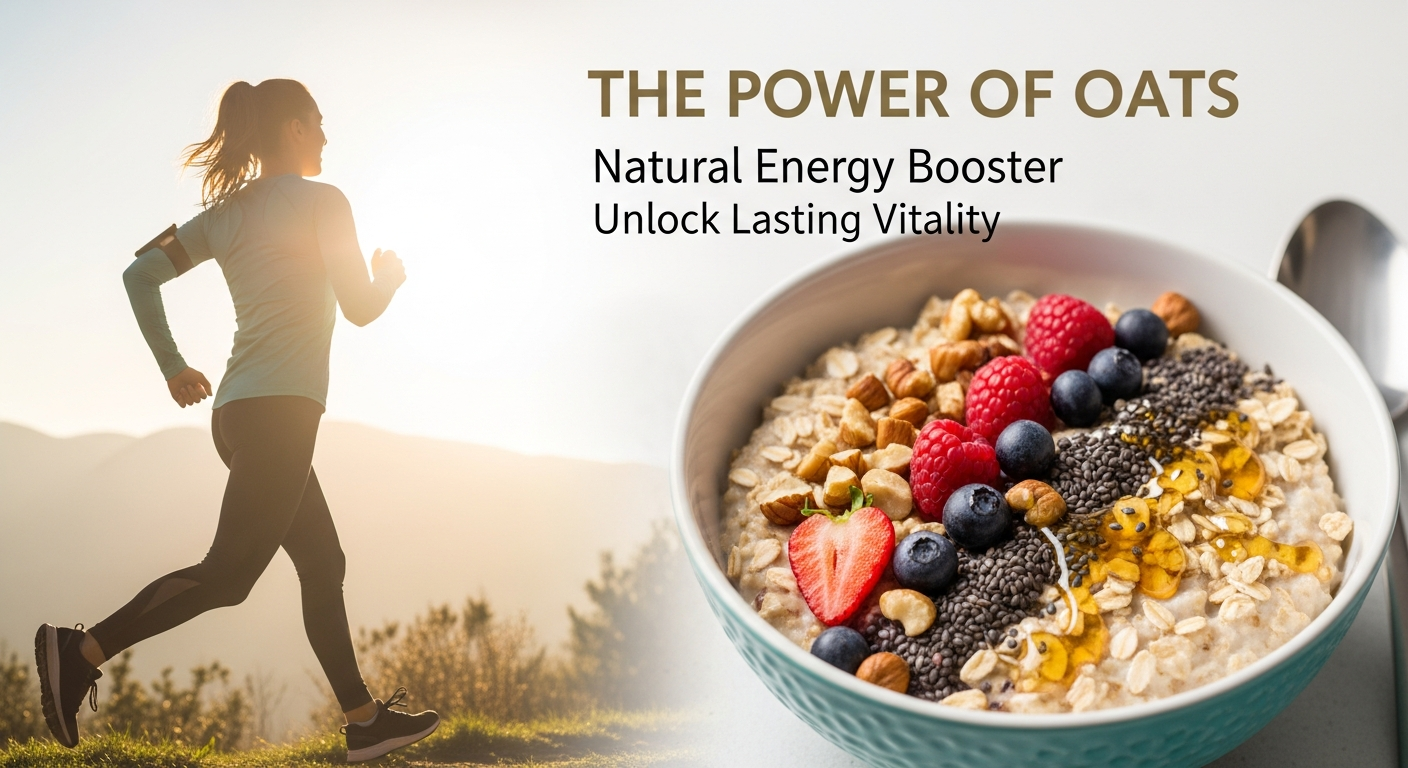
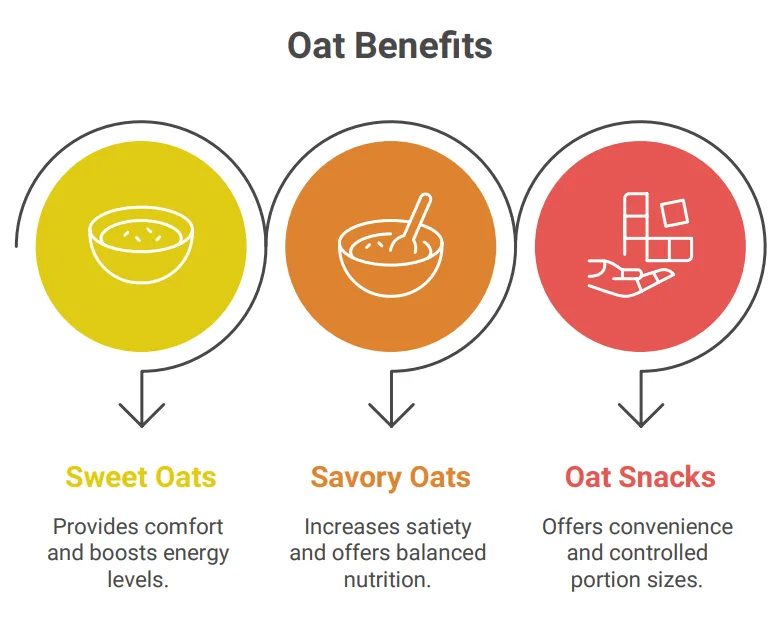
Oats are also very easy to digest and provide lasting energy because of their slow-burning carbohydrates; therefore, oats provide a great source of daily nutrition for anyone trying to balance hormones and maintain high levels of vitality. You can make a delicious and very quick meal using your favorite sweet or savory ingredients.
Whether you enjoy warm signals of breakfast as you wake up, or you get creative with all of the different sweet and savory ways to serve oats for hormonal imbalance, each serving of oatmeal will give you the right nutrition to help support you in unlocking natural wellness and sustainable hormone balance.
Understanding Hormonal Imbalance: Causes, Symptoms, and Why Diet Matters
Diet can have a significant impact on your overall health and well-being. However, it’s important to note that everyone is different, and what works for one person may not work for another. As hormones regulate nearly all aspects of the human body, even a small amount of hormonal imbalance can create symptoms, and with the help of your doctor, making appropriate dietary changes may help restore your hormonal balance.
Good food choices; such as eating oats and using oats when cooking may lead to improved hormone function as oats will help keep your blood sugar levels stable, help maintain your gut health, and provide sustainable energy. Making good food choices may contribute to long-term hormone balance.
Common Causes of Hormonal Imbalance
Hormones are subject to various environmental, lifestyle, and metabolic changes that can cause the body's hormones to fluctuate.
The most common contributors are:
- Stress and elevated levels of cortisol (stress hormone)
- An unhealthy diet high in refined sugar and highly processed foods
- Insulin resistance and spikes and dips in blood sugar levels
- Thyroid hormone dysfunction
- Polycystic ovarian syndrome
- Lack of sleep and a sedentary lifestyle
Processed food can exacerbate hormonal imbalances, whereas eating fibre-rich whole grains (e.g., oats), will help keep energy and metabolism in balance.
Signs and Symptoms of Hormone Imbalance in Women
Hormones can vary greatly from one person to another. However, most women with an imbalance in their hormones will have similar symptoms.
The following are some of the most common signs:
- Disturbances to the menstrual cycle are regularities that have been seen in women with a hormone imbalance
- It may be possible to have anxiety and mood swings
- Fatigue and low energy levels
- Inability to lose weight or to gain weight
- Skin changes, such as acne and dry skin
- Difficulties sleeping.
A common cause of each of these symptoms is usually fluctuating blood sugar and inflammation. Oats can also have benefits to balance hormones.
The Role of Nutrition in Hormone Regulation
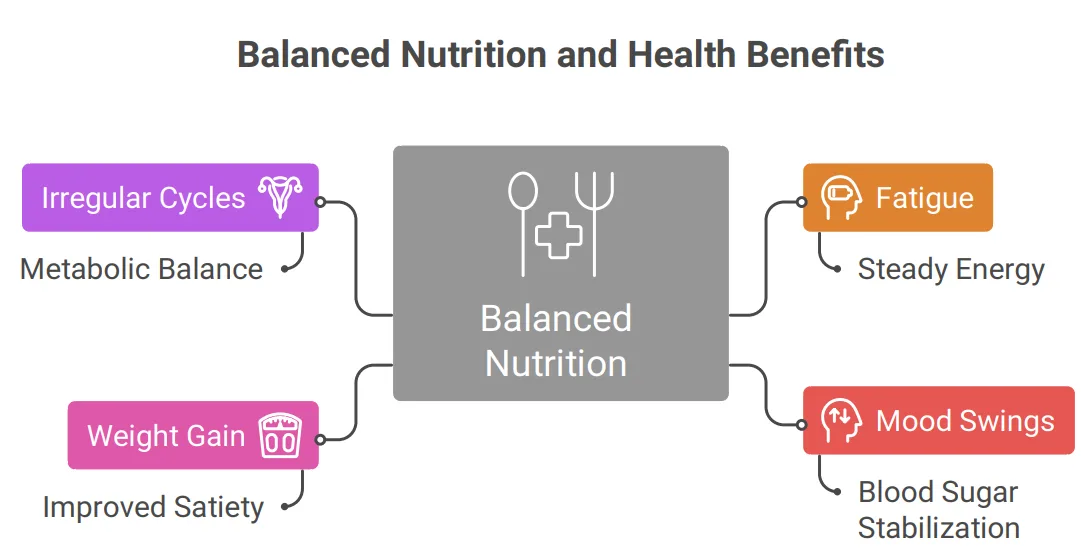
Food plays a significant role in regulating both the production of hormones, the response to insulin, inflammation and gut health. A diet high in fiber, healthy fats, and complex carbohydrates will help to create and maintain navigable hormone systems.
The following are ways that nutrition can help to maintain a balanced collection of hormones and hormone levels:
- Stabilizing blood sugar levels;
- Reducing inflammation;
- Helping to regulate the health of the gut microbiome;
- Assisting with the clearing of toxins from the liver.
Consuming any oat dish daily will help to support proper hormone balance and avoid sudden crashes in energy and overloading your body’s hormones.
The Nutritional Powerhouse: What Makes Oats Beneficial for Hormone Health?
When attempting to bring your hormones back to their normal balance, nutrition is one of the first areas where you can work on restoring your internal balance. Oats have been used for a long time as a natural remedy for hormone imbalances. They offer sustained energy, contain a variety of necessary vitamins and nutrients, and provide fiber that supports the digestive tract and ultimately affects hormone imbalance. In addition, as a whole grain, oats also help to minimize blood-sugar spikes and inflammation, both of which impact maintaining healthy hormones.
You can start adding oats into your everyday recipes, or simply make a small and simple recipe using oats, as an easy next step towards improving your hormone health.
Key Nutrients in Oats That Support Hormonal Balance
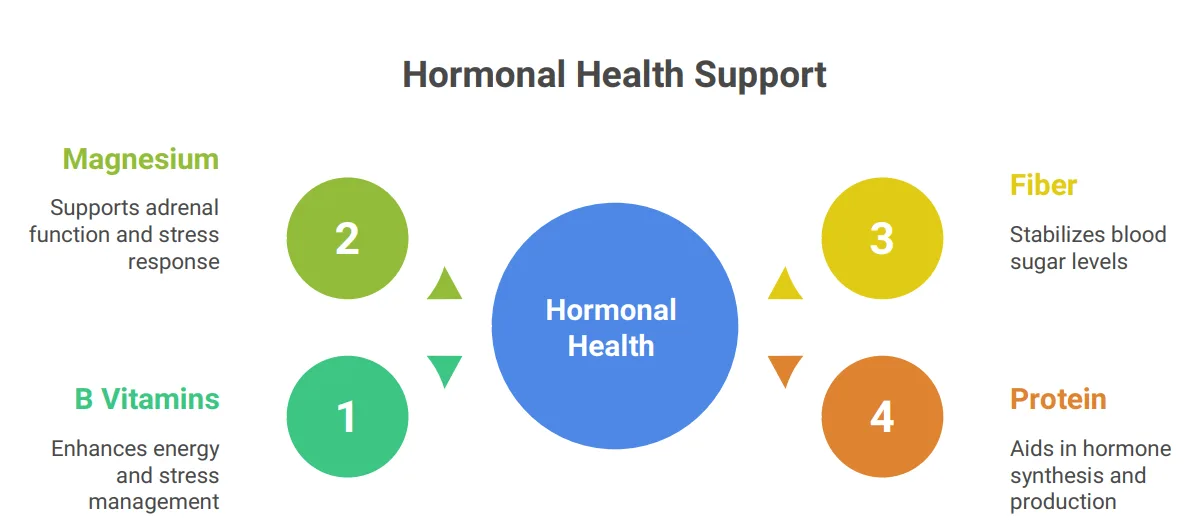
Oats are a rich source of a variety of vitamins and minerals that help to support your endocrine system and help with hormone production.
Here Are Some Of The Key Nutrients Found In Oats:
- B vitamins: (energy metabolism, stress response, etc.)
- Magnesium: (helps regulate cortisol, combats fatigue)
- Iron: (for transporting oxygen and metabolic functions)
- Plant proteins: (to assist with the production of hormones)
- Complex carbohydrates: (to provide stable energy).
Fiber and Whole Grains for Stable Hormones
Oats are an excellent source of dietary fibre, especially soluble fibre (beta-glucan). They are among the foods that can help you maintain your hormone levels.
How fibre in oats affects hormones:
- Regulates blood sugars
- Improves insulin sensitivity
- Supports the health of gut bacteria
- Removes excess hormones from the body
If your blood glucose levels fluctuate, they will result in elevated levels of cortisol and disordered estrogen. Oatmeal prepared with any of the ingredients from the previous section can assist in regulating your blood glucose levels and promoting a stable hormonal cycle.
Antioxidants and Phyto-Compounds in Oats
In addition to providing fiber and vitamins, oats are also high in antioxidants and phytochemicals, two components that help to reduce the amount of inflammation and oxidative stress in the body.
Benefits of oat antioxidants:
- Provides a reduction in chronic inflammation
- Enhances immune function
- Protects against oxidative injury
- Assists in controlling stress-related hormones.
The antioxidants specific to oats are called avenanthramides and are known for their anti-inflammatory effects. Those who suffer from stress-induced hormonal disorders should consume oats regularly to promote hormonal balance.
How Oats Help Regulate Key Hormones in the Body
Hormones essentially exist in an intricate network of interacting systems, so just a slight error can impact how your body feels, how much energy you have, how fast (or slow) you may burn calories and how healthy your reproductive system is. One of the most effective ways to encourage hormonal homeostasis is through diet. Eating oats for hormonal imbalance can assist by assisting in regulating blood sugar levels, as well as decreasing inflammation and nurturing the intestines (which are significant for supporting hormone regulation).
By incorporating some form of an hourly or daily oat-based recipe, you can provide a consistent flow of support to the body's ability to maintain insulin level, estrogen levels and cortisol (stress) hormone levels in a less traumatic manner over longer periods of time.
Oats and Insulin Regulation
Insulin is one of the main hormones that affect the way we live our daily lives. Whenever there are frequent spikes in blood glucose, this contributes to elevated levels of insulin, which will ultimately lead to a disturbance in our hormones.
How oats help to maintain insulin levels within the normal range:
- High levels of soluble fibre aid in slowing down glucose absorption.
- Slows down the rise in blood glucose when eating.
- Decreases the risk of developing insulin insensitivity.
- Provides the body with a lower risk of an insulin resistant condition.
Oats for PCOS and Estrogen Balance
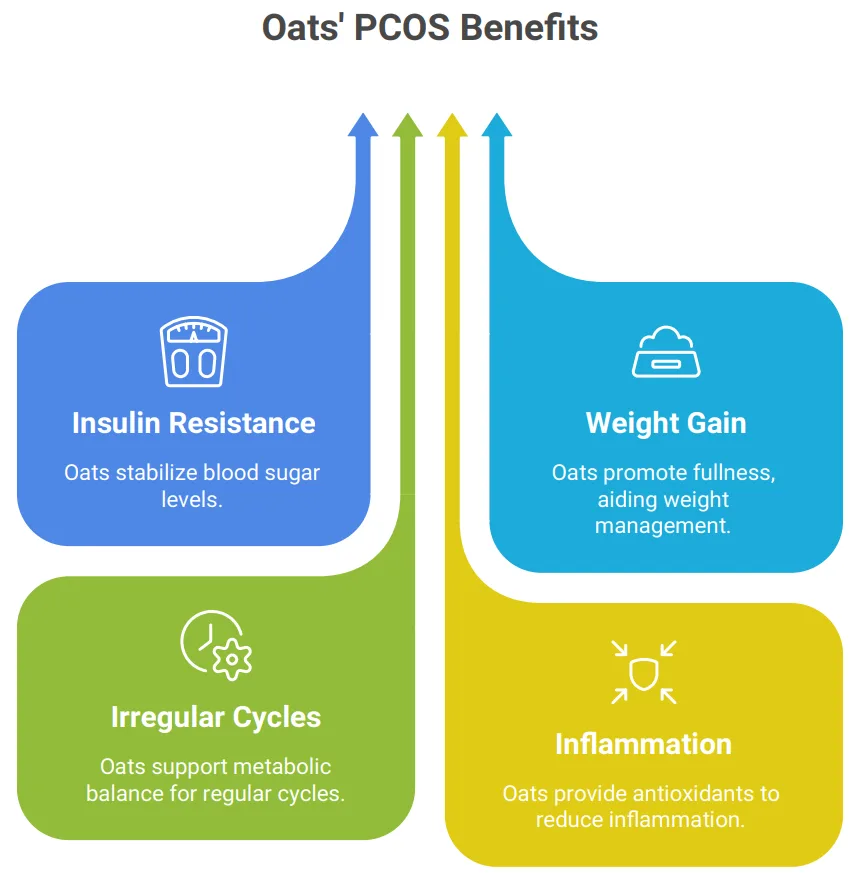
Hormonal issues such as PCOS often coincide with estrogen imbalance, as well as insulin intolerance. Oats have been shown to also have a positive effect on both insulin and reproductive hormone (both are forms of metabolic hormones) health.
The following are some of the benefits of eating oats for hormone imbalances:
- Healthy insulin response
- Increased satiety through weight control
- Better regulation of estrogen metabolism
- Reduces inflammation impacting ovarian function
A wholesome oatmeal recipe, containing healthy fats and proteins, may help provide for greater hormonal cycle stability, and an improved metabolic balance.
Cortisol and Stress Hormone Support with Oats
Ongoing stress has been associated with increased cortisol production (stress-related hormone), which can lead to a disruption of function in thyroid hormone production, overall hormonal production and metabolism. Whole nutrient-dense foods, (such as oats), assist the body with reducing stress-related conditions.
Oats will assist the body with reaching hormonal stress response balance in the following ways:
- Magnesium (in oats) calms the nervous system
- Stable energy output prevents body from crashing due to stress
- Gut health supports hormonal stress response
- Inflammation reduction when cortisol is elevated
Eating Oats regularly for hormonal imbalances can provide steady energy throughout the day and help with depression management issues associated with hormonal imbalance.
Enjoying this read? Get more like it.
Get fresh snack inspiration and updates from our team.
Role of Oats in Women’s Health Conditions Linked to Hormones
Hormones affect almost every significant part of life for women—from the menstrual period to reproduction to menopause and beyond. When they become unbalanced, issues like an irregular period, mood swings, gaining weight, and fatigue can occur. Nutrition plays an integral part in helping to manage these types of symptoms; eating oats (a whole grain) for hormone imbalances can help by providing steady energy, fiber, and a variety of other nutrients which benefit both your metabolic health (which affects your reproductive health as well).
Incorporating at least one oat-based recipe into your daily meal plan is a very easy way to assist yourself through hormone balancing during the various stages of your life.
Oats for PCOS Management
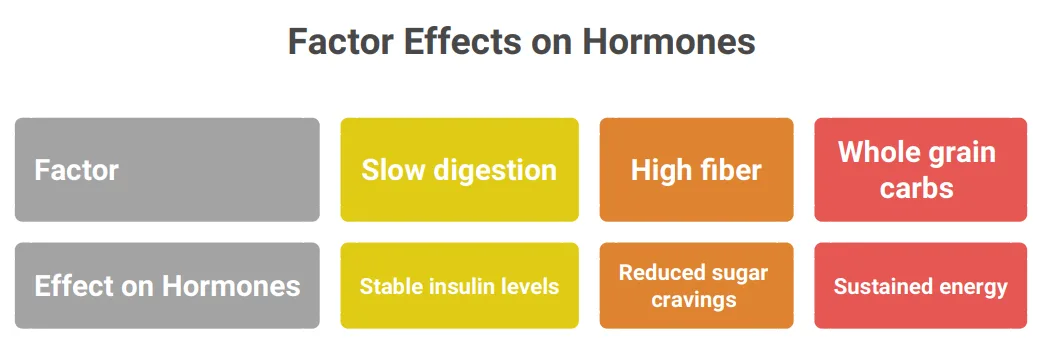
Polycystic Ovary Syndrome (PCOS) is a condition associated with insulin resistance and disruption of hormone levels. Whole grains such as oats can assist in stabilizing blood sugar levels (which also improves insulin resistance).
Ways in Which Eating Oats Helps to Manage PCOS:
- Slow Digestion = Less Chance of Large Insulin Spikes
- High Fibre = Greater Satiety + Weight Control
- Improved Gut Health + Hormone Metabolism
- Less Cravings + Less Energy Waves
Oats During Menopause and Period Health
During the first, third, and fourth hormone levels can fluctuate significantly. These shifts may affect your mood, cause bloating, and lead to energy loss. Oatmeal is nutrient dense and contains many nutrients, which may help you during the first, third, and fourth cycle and menopausal stages.
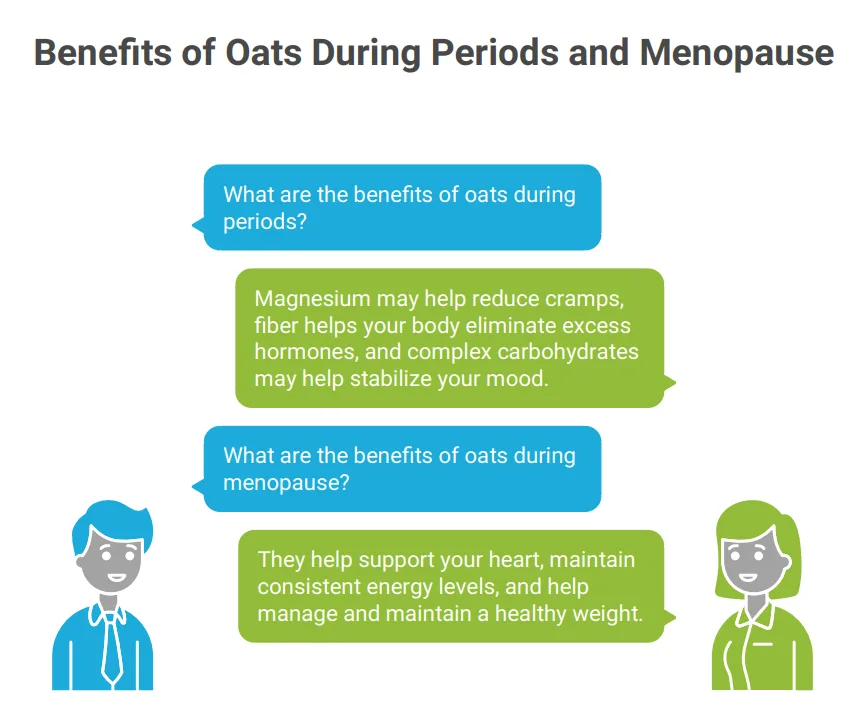
Eating a warm bowl of oat-based cereal can help give you comfort and nutrients through all of these phases of your life.
Fertility and Hormone-Supporting Nutrition
Your fertility may be influenced by the balance of your hormones, metabolism, and the nutrients you consume. Oats are a good source of nutrients and can be included in a diet that supports your fertility.
How Oats Support Fertility:
- Oats Provide B Vitamins (such as riboflavin, niacin, thiamine), which are important for metabolism and energy production.
- Oats will help to maintain healthy insulin levels.
- The consumption of oats helps to provide balanced estrogen metabolism.
- Oat products will enhance your digestion and therefore will increase the absorption of nutrients from the food you eat.
Including oats into a balanced and nutrient dense diet may help to create a healthy hormonal environment for conceiving a baby.
Incorporating Oats Into Your Daily Diet for Hormonal Support
Maintaining a stable level of hormones begins with offering your body the same basic ingredients over and over again by eating a consistent diet that includes foods that nourish your body. Oats for hormonal imbalance can be added to your daily meal plans because they are inexpensive, versatile, and contain high levels of fiber and other essential nutrients. The benefits of oats include regulating blood sugar, improving digestion, and providing you with long lasting energy — three important aspects of hormonal health.
With the right combination, a simple oatmeal recipe can be a part of your daily routine while promoting hormonal health over time.
Healthy Oat Recipe Ideas for Hormone Balance
Eating oats in the morning can provide a solid foundation for balanced energy levels throughout the day and help reduce cravings for unhealthy foods.
A Few Balanced Oatmeal Recipe Suggestions Are:
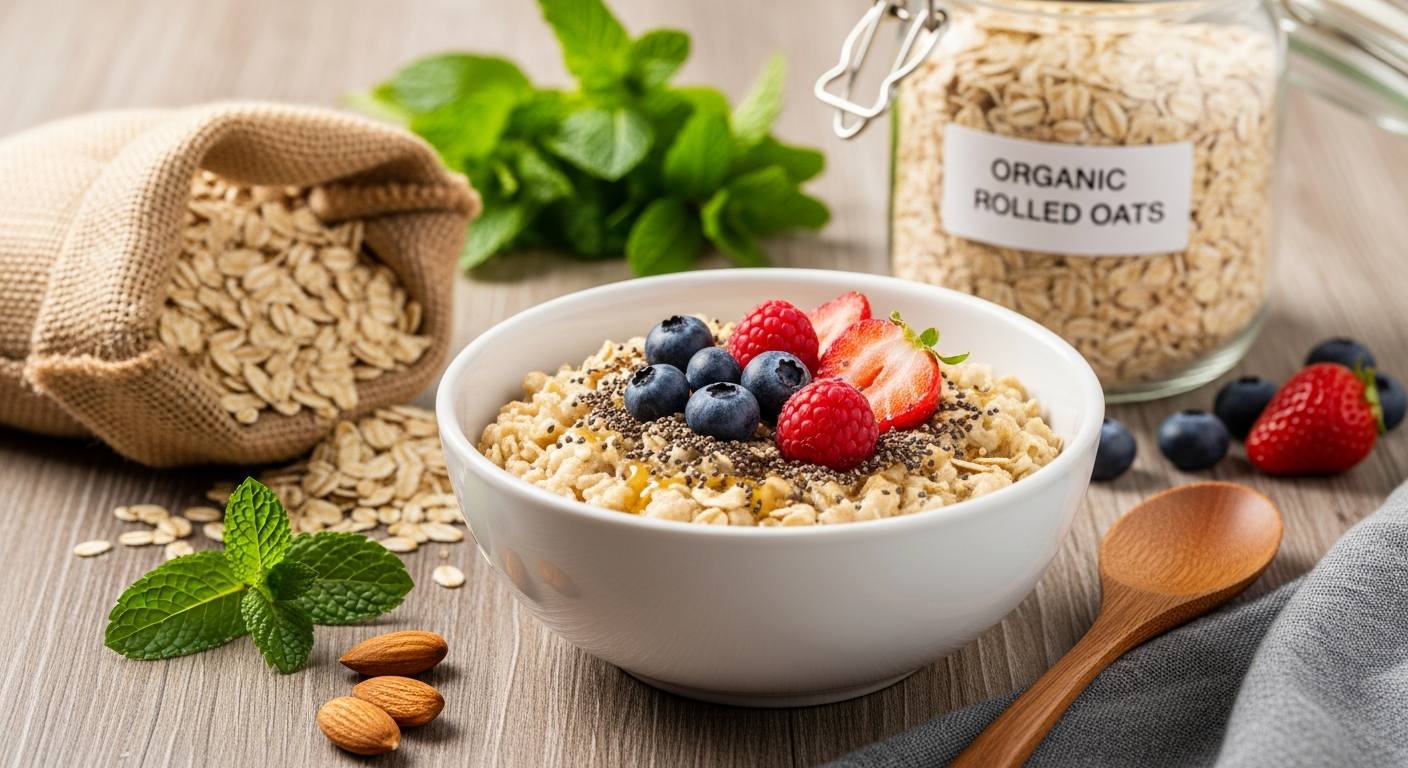
- Oatmeal made with berries and nuts and/or seeds added on top
- Oatmeal made using almond milk with cinnamon sprinkled on top
- Oatmeal made with ground flax seed and yogurt added on top
- Oatmeal made using protein powders and nut butter added on top.
Why These Combinations Work To Help Balance Hormones:
- Fiber Helps Stabilize Insulin Levels.
- Healthy Fats Provide the Nutrients Necessary to Make Hormones
- Protein Keeps You from Becoming Physically Tired.
By combining oatmeal with nutrient dense toppings, you increase the health benefits of oatmeal for supporting hormones.
Overnight Oats for Hormonal Imbalance
Overnight oats soaked in liquid soften up before being consumed making them easier to digest with minimal preparation to get ready for busy days!
Benefits of Overnight Oats
- Better Nutrient Absorption
- Easier To Digest
- Help To Keep Your Blood Sugar Levels Stable
- Help With Portion Control
Quick Overnight Oat Recipe Ideas
- Oats, Almond Milk, & Chia Seeds
- Oats, Greek Yogurt, & Fruit
- Oats, Dates, & Nuts
Overnight oats can also support individuals struggling with fluctuations in energy due to hormone imbalance.
Savory and Snack-Based Oat Recipes
Oats can not only be consumed at breakfast but can also be turned into meal-sized savoury dishes and nutritious snacks!
Savoury Oat Dish Ideas.
- Vegetable Upma With Oats.
- Oat Khichdi.
- Oat Porridge With Sautéed Vegetables.
Snack Oat Recipe Ideas.
- Oat Energy Balls.
- Oat & Nut Bars.
- Oat Cakes.
FAQs
Q1. Are oats good for hormonal imbalance?
Yes, oats for hormonal imbalance help stabilize blood sugar, support digestion, and provide steady energy, all of which support hormone balance.
Q2. Can oats help with PCOS symptoms?
Yes, oats may help manage PCOS symptoms by improving insulin sensitivity and reducing energy crashes.
Q3. How often should I eat oats for hormone balance?
You can eat oats daily in moderate portions as part of a balanced, nutrient-rich diet.
Q4. What is the best oat recipe for hormonal health?
A balanced oat recipe that includes protein, healthy fats, and fiber—such as oats with nuts, seeds, and fruit—is ideal for hormonal health.
Q5. Are rolled oats better than instant oats for hormones?
Yes, rolled oats are better than instant oats because they are less processed and have a lower impact on blood sugar levels.
Conclusion: Take Control of Your Hormones—Start Adding Oats Today!
You don’t need to make huge changes to your diet to balance and regulate hormone levels; making small changes consistently will affect how well your body functions at everything (i.e., physically, mentally, emotionally). Including oatmeal in your meal plan regularly contributes positively toward achieving optimal internal balance. Oatmeal is very high in fiber, low-fat carbohydrates, and contains necessary vitamins and minerals. All these factors help regulate blood glucose levels, aid in digestion, provide sustained energy throughout the day, etc. All are very important components to maintain hormonal balance.
If you are trying to regulate dramatic cyclic changes (e.g., Polycystic ovary syndrome (PCOS), rhythm, stress), feel fatigued or have irregular cycles, developing a healthy and balanced oatmeal recipe can easily become part of your wellness plan. Developing meals using oatmeal in combination with protein, healthy fats, and whole, natural ingredients will not only curb your hunger but will also help with your long-term metabolic/hormonal health.
You can start small. Consider making a simple oatmeal breakfast, like a warm bowl of cooked oats or cold overnight oatmeal, and build from there. After choosing new healthy/nutrient-dense foods like oatmeal consistently, you will feel more energetic, have more balance in life, and be more in control of your overall health/mental image. Sometimes all it takes for you to achieve hormonal wellness is one simple step—add oatmeal into your daily food options!