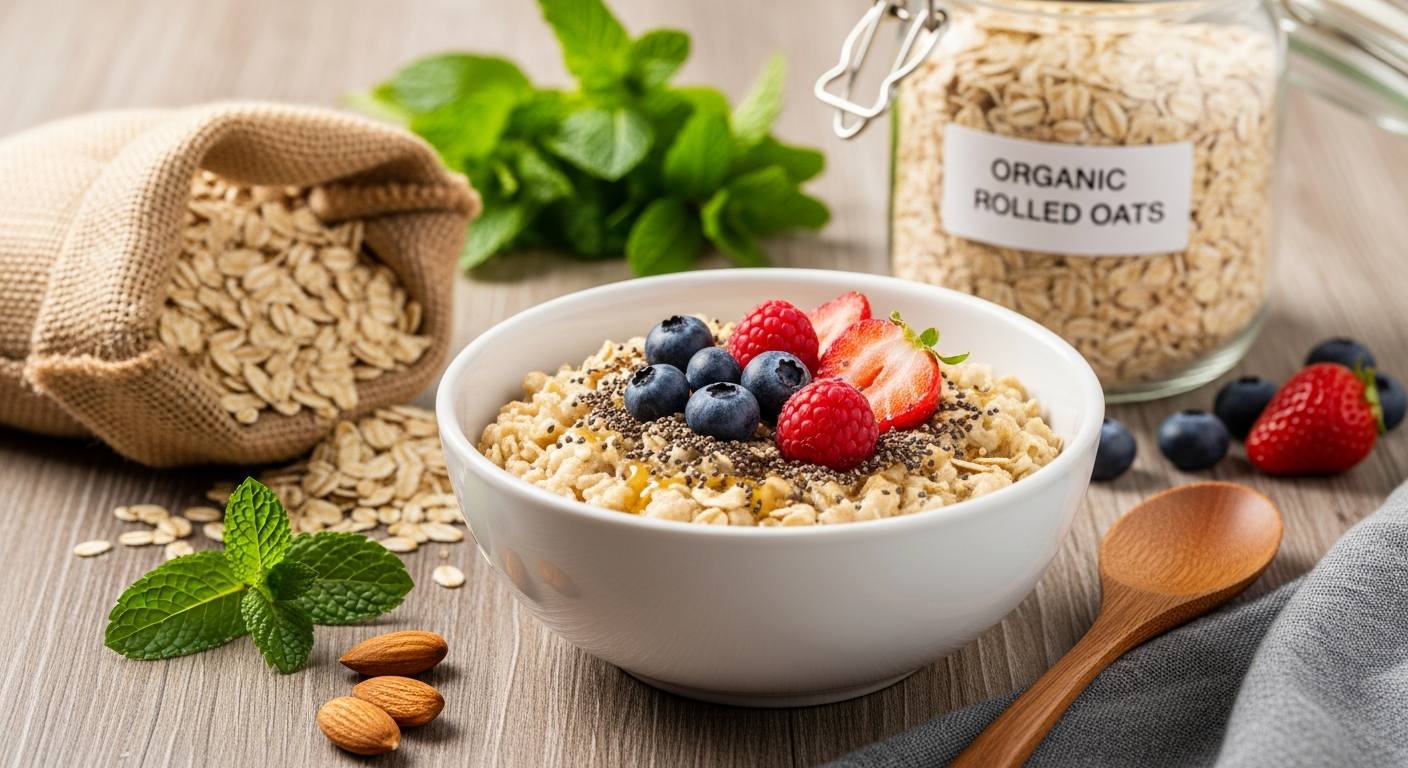
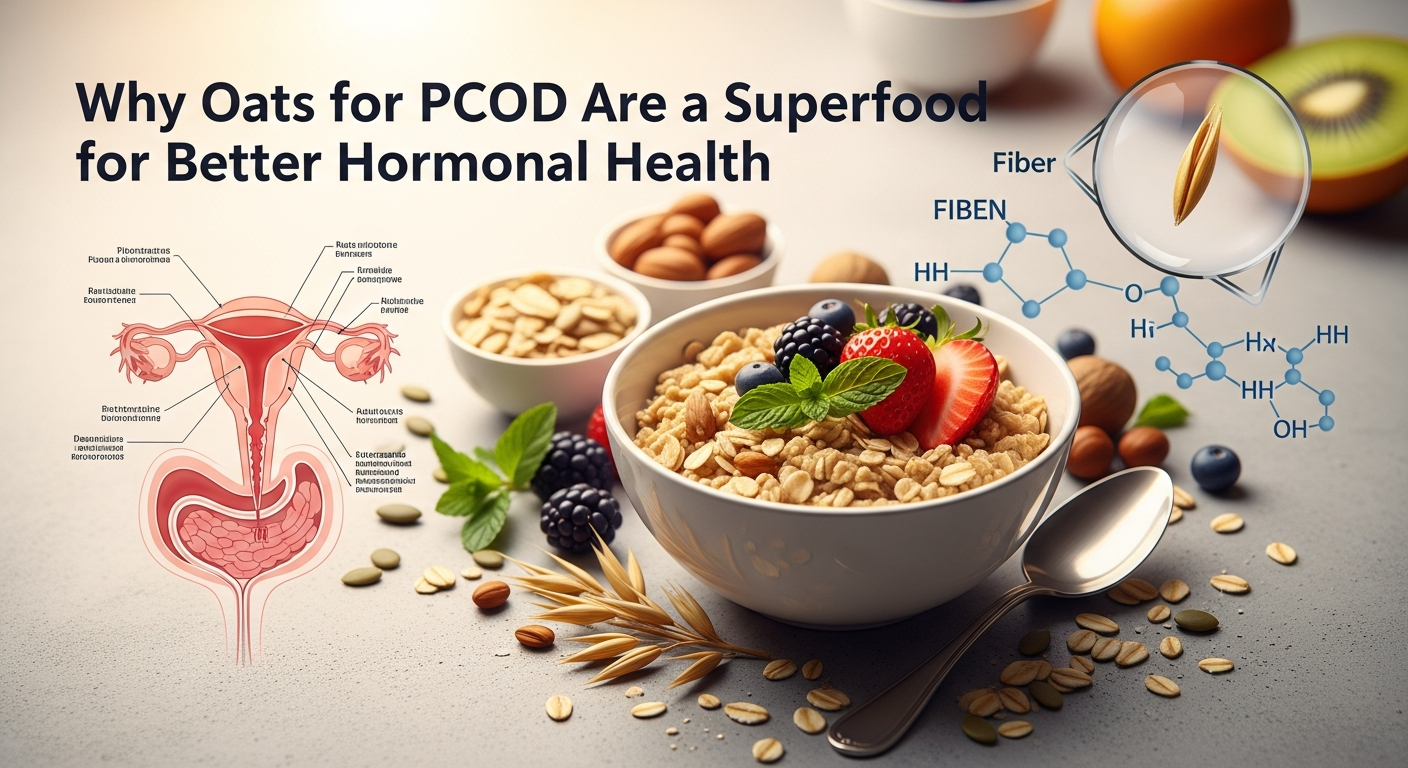
Oats are a nutritious and ancient whole grain that is perfect for incorporating into a "hormone-friendly" diet. Oats contain fiber and are easy to digest, making them a staple in the history of a balanced diet. Women with PCOS will benefit from the many ways that oats can help manage their symptoms.
Rolled oats have plant-based protein, complex carbohydrates, fiber, and many important vitamins and minerals. All of these contribute to women's hormone balance, improvements in insulin response, and supporting blood sugar levels – all of which aid women in lowering their PCOS symptoms.
Rolled oats are also low-glycemic and release energy slowly, so adding them to your meals can help prevent large spikes in blood sugar while providing long-lasting energy. The flavour and texture of rolled oats lend themselves well to a wide variety of recipes; therefore, they can be enjoyed in both sweet and savoury forms.
Oats, whether they are steel-cut or rolled, provide nourishment that helps to maintain a healthy metabolism and hormone levels while promoting overall health and well-being. For these reasons, oats are considered a "superfood" for hormonal balance for women with PCOS.
Understanding PCOD and Its Dietary Impact
While PCOD is a medical issue that women face during their reproductive years, it is not just a medical issue; it can be managed by diet in addition to medical treatment. Choosing low-glycemic, high-fibre foods such as oats will allow you to regulate hormones and blood sugar and support your overall metabolic health.
Because PCOD is closely associated with insulin resistance and inflammation, the foods you choose to eat every day can help either alleviate symptoms or exacerbate them; therefore, you should create a balanced diet of high-quality carbohydrates and adequate protein.
What Is PCOD and How It Affects Hormones
PCOD (Polycystic Ovarian Disease) is a medical condition where there is an excess amount of androgens (male hormones) being produced by the ovaries, which upsets the normal balance of hormones needed to ovulate on a regular basis.
How PCOD Affects the Hormonal Health:
- Irregular or Delayed Menstrual Cycles
- Hormonal Imbalance of Estrogen, Progesterone, and Androgens
- Difficulty in Ovulation and Fertility
- Higher Insulin Levels Affecting Hormone Production
Foods such as Oats for PCOD, which digest slowly and help regulate blood sugar, can help lower hormonal stress and assist in better hormone regulation.
Common Symptoms and Metabolic Challenges of PCOD
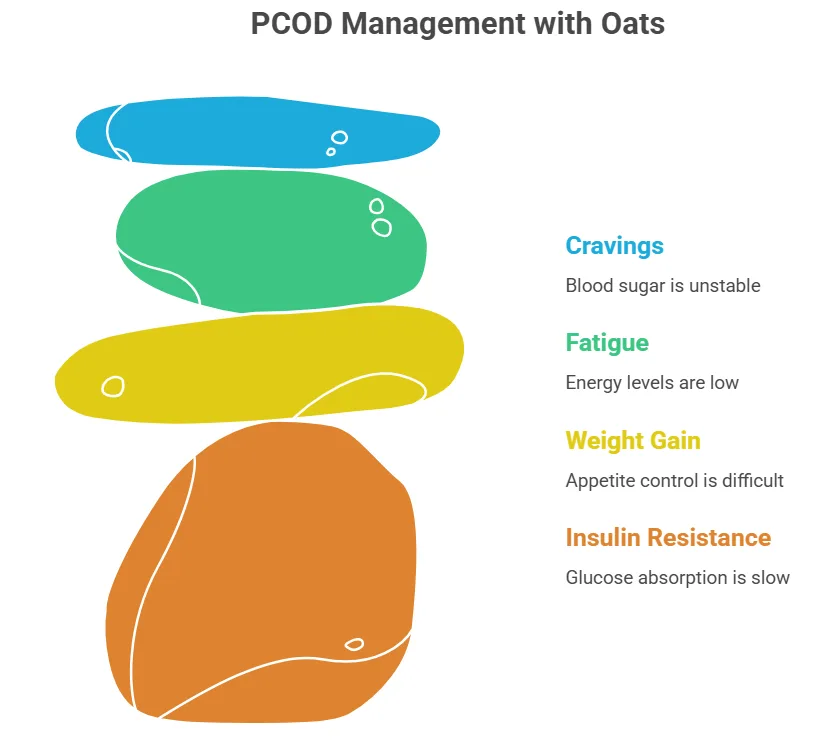
The effects of PCOD relate not only to the reproductive hormones but also have an effect on energy levels and therefore metabolism.
Common symptoms of PCOD include:
- Difficulty in losing or maintaining weight.
- Excess hair growth (hirsutism) and acne.
- Mood swings and fatigue.
- Cravings for sugary foods and subsequent energy crashes.
Metabolic issues connected with PCOD are as follows:
- Insulin resistance.
- Increased risk of developing type 2 diabetes.
- Slow metabolism.
The introduction of rolled oats into meals can help to improve insulin sensitivity and maintain adequate energy levels for an extended period of time to deal with the metabolic issues that occur with PCOD.
Why Diet Plays a Critical Role in Managing PCOD
Diet has a direct effect on hormones, hormone response to insulin, inflammation and weight—these four elements play a major role in controlling polycystic ovarian syndrome (PCOS) symptoms. Processed and refined sugar-based foods increase your symptoms while whole unprocessed foods will help to restore the hormone balance to your body.
Why Oatmeal is the Best Food choice for PCOS:
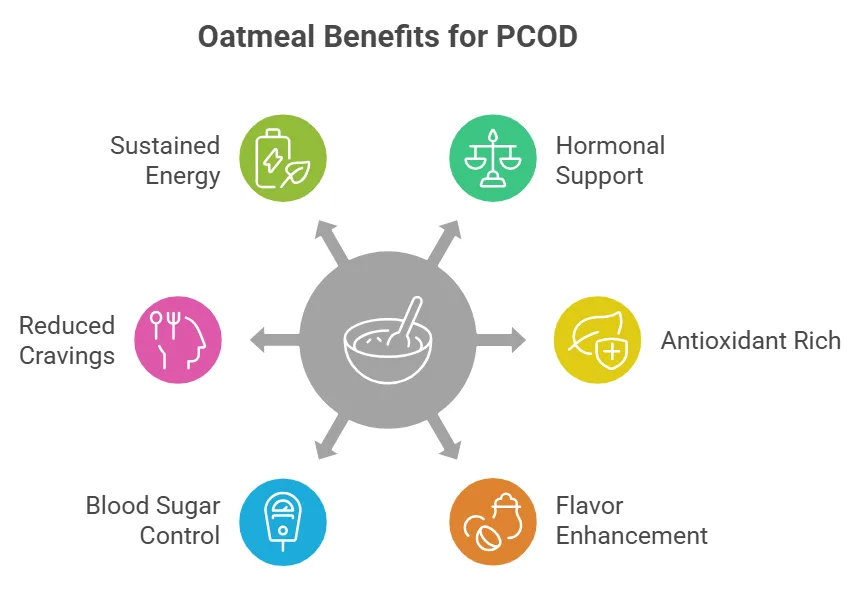
- Oats Are Low Glycemic, Supporting Your Body's Insulin Response
- High Fiber Content and Plant Protein Make It Easy to Digest and Have Probiotics for Gut Health
- Versatile Options for Breakfast, Lunch, Dinner & Snacks!
Folks who eat Brown Sandwich Oats are recommended as they’re Less Processed than White or Quick Oats and Have a Lower Glycemic Index making it the best food for every day consumption.
The Nutritional Powerhouse: Why Oats Are Ideal for PCOD
One major element that should be considered when creating the diet to manage PCOS is the carbohydrates to use. Of all the options available to patients who suffer from PCOS, oats should be included on a list of acceptable foods. Oats are whole grains that are quite nutrient-rich and high in fiber, making them beneficial in promoting hormonal balance, metabolic health, and providing consistent energy.
The slow rate of digestion of oats also keeps insulin levels under control and reduces the hormonal imbalance, both of which are important considerations when managing the symptoms of PCOS.Because of their versatility and high fiber content, rolled oats can easily fit into a daily routine for patients with PCOS.
Oats Nutrition Facts That Support Hormonal Balance
Oats provide many essential vitamins and minerals, which directly contribute to both hormonal health and overall health for women suffering from Polycystic Ovarian Disease (PCOD).
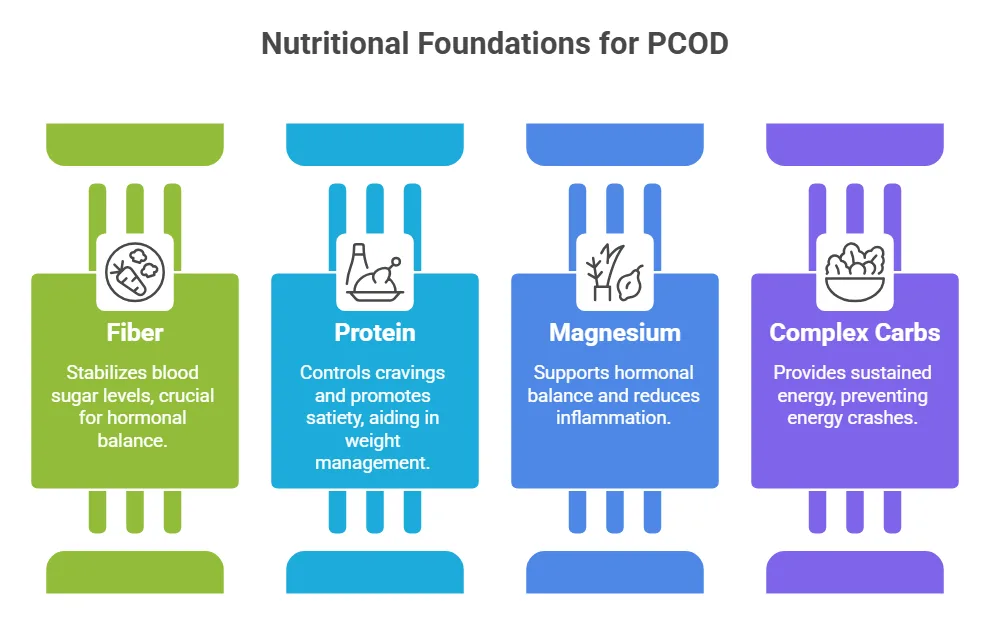
Some Key Nutritional Components Found in Oats and How They Benefit Hormonal Balance:
- Soluble Fibre (Beta Glucan) - Increases insulin sensitivity and supports digestive health.
- Plant Protein - Regulates appetite, improves hormone production.
- Magnesium - Provides support for regular monthly cycles and reduces stress hormones.
- B Vitamins - Provide energy metabolism and management of stress levels.
- Iron and Zinc - Necessary for ovulation, immune systems, and metabolic functions.
Why Rolled Oats Are a PCOD-Friendly Whole Grain
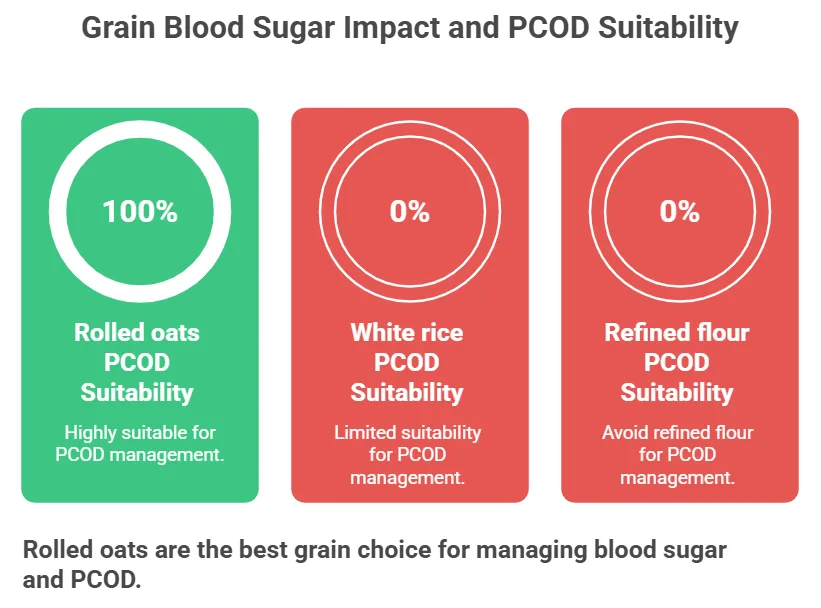
Rolled oats are the best variety of oats for PCOD because they are the least processed of all oats. They also have a balanced nutritional profile.
Benefits of using rolled oat for women who have PCOD:
- The glycemic index of the rolled oats is low to moderate.
- Easy to digest and provide good gut health.
- As they retain all the fiber and nutrients of oat, rolled oats are appropriate for both sweet and savory dishes.
- They provide a steady source of digestion and help to reduce insulin cravings and control blood glucose levels by providing a slower digestion rate.
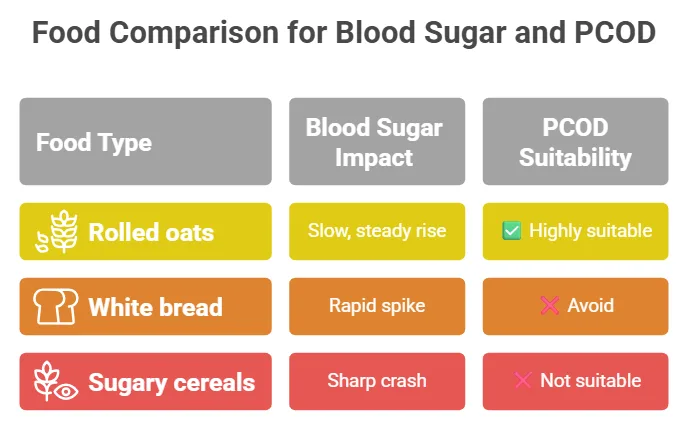
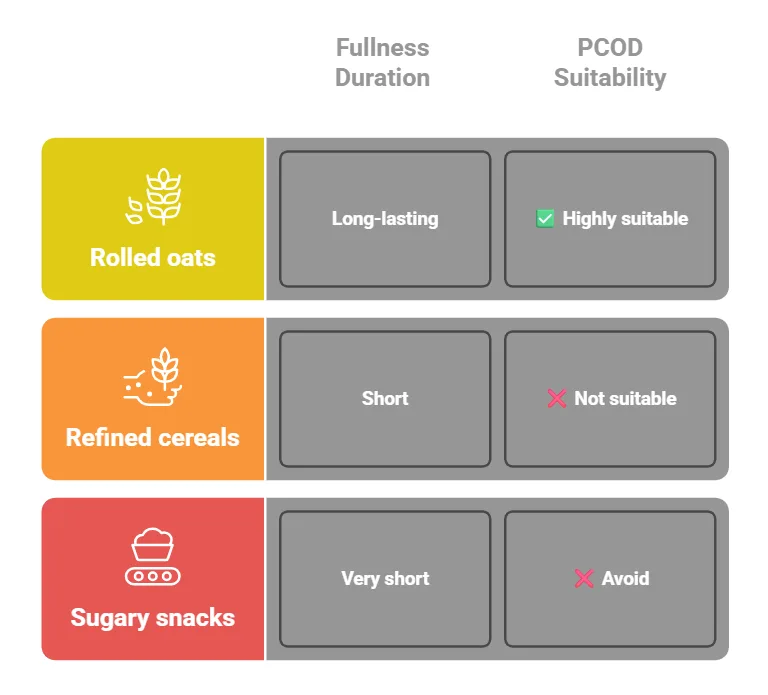
How Oats Compare to Refined Grains in PCOD Diets
Refined grains can worsen insulin resistance and inflammation—two major concerns in PCOD. Oats provide a healthier alternative.
How Oats Help Manage Hormonal Imbalance and Insulin Resistance
Insulin Resistance and Hormonal Imbalances are two of the main issues that lead to PCOD and the way people eat can affect how someone manages their Insulin Resistance/Hormonal Imbalance. The fibre content, low Glycaemic Index and slow-release carbohydrate properties of Oats help to stabilise both Insulin and Blood Sugar Levels, leading to better regulation of hormones.
Regular use of Rolled Oats at meal times can assist in reducing your Metabolic Stress, Increasing Your Energy Levels and Providing You with a Healthier Internal Balance as a Woman with PCOD.
Oats and Improved Insulin Sensitivity
The improved carbohydrate tolerance resulting from eating oats may be due to the presence of Beta-glucan found in oats, which has been shown to help increase insulin sensitivity by decreasing the amount of insulin required by the liver and pancreas after a meal.
How oats affect the way insulin works:
- High dietary fibre content of rolled oats can enhance how effective insulin is
- Reduced blood sugar levels after eating
- Decreased insulin production levels in excess
- Provides for an improved level of hormonal balance
Because they are still intact, rolled oats offer the greatest benefit to someone with PCOS looking for a meal to include on a daily basis.
Blood Sugar Regulation with Low-GI Foods
Low glycemic index (GI) food digests slowly and helps keep blood glucose levels stable (helpful for managing PCOD symptoms). Oats are an example of this as long as the person consumes the unprocessed form of oats.
Benefits of low GI oats:
- Prevent large swings in blood glucose levels
- Change excessive fat storage associated with insulin surges
- Provide a sustained source of energy
- Help maintain healthy weight and proper metabolism
Why Oats for PCOD Reduce Cravings and Energy Crashes
People suffering from polycystic ovary disease (PCOD) experience frequent cravings for sugary foods and energy crashes from unstable glucose levels. Consuming oats helps control these patterns by providing individuals with a sensation of fullness or satiety and steady energy throughout the day.
The Role of Oats in Reducing Cravings
- Eating high-fiber foods tends to increase the feeling of fullness or satiety
- The slow rate of digestion of oats means they take longer to digest therefore reducing the risk of experiencing sudden hunger
- Consuming oats will help stabilize glucose levels therefore reducing the desire for sugar
- Oats provide sustained energy and therefore limit fatigue.
Combining oats with protein or healthy fats enhances their ability to control hunger and sustain energy levels.
Easing Weight Management: Oats as a Key Dietary Component
Managing weight with Polycystic Ovarian Disease (PCOD) is very difficult because of the fluctuation of hormones and problems with insulin resistance. Oats can be a healthy and effective choice in a diet to manage the symptoms of PCOD. The nutrients contained in oat supply well digested Low-Glycemic foods, high fiber and long-term energy. Oats will be digested and metabolized by the body slowly, providing a sustained input to the metabolism without raising blood sugar levels significantly like refined carbohydrates.=
Eating rolled oats can provide a consistent balance of nutrition for healthy meals, decrease overeating behaviours, and therefore create better body composition in the long term.
Oats for Weight Loss in PCOD
Weight loss with PCOD can be achieved by controlling insulin levels and reducing dependency on food. Oats for PCOD provide these two functions.
How oats help in weight loss:
- The high fiber content helps to increase feelings of fullness and decrease overall caloric consumption.
- Because rolled oats are considered to be low glycemic foods, they do not promote the storage of fat.
- Oats promote healthy insulin sensitivity and decrease the frequency of unhealthy snacking.
Rolled oats are also beneficial in weight loss because they are digested at a slower rate, which allows for prolonged feelings of satiety.
Appetite Control and Long-Lasting Fullness
PCOD commonly causes unregulated appetites and frequent food cravings due to unstable blood sugar levels. Oats can help to control appetite because they delay digestion (causing you to feel full) by stimulating hormones that regulate feelings of fullness.
The following describe how oats are an appetite control food:
- Soluble fiber in oats delays stomach emptying (which causes the person to feel full longer)
- Oats provide complex carbohydrates that will supply a steady energy level
- Oats can help prevent sudden cravings for food.
- Eating Oats can help to manage emotional eating.
How Oats Support a Sustainable PCOD Lifestyle
Sustainability plays a significant role in PCOD Management; therefore, "Crash Diets" tend not to provide prolonged success. Oats are simple to make, affordable, and versatile in taste - All factors are key to daily living.
Why are oats a good match for a PCOD lifestyle?
- Very easy to prepare with different meal options.
- Helps promote long-term weight control.
- Increases Energy and Mood Stability.
- Can be used in both Sweet or Savoury Dishes.
Rolled oats specifically provide flexibility and consistency, which will help you sustain a healthy diet.
Enjoying this read? Get more like it.
Get fresh snack inspiration and updates from our team.
Tasty Ways to Add Oats to Your Daily Diet for PCOD
Healthy eating does not need to be dull for women who have Polycystic Ovarian Disease. The different varieties of oats available for PCOD are very versatile and can be used to create many yummy, tasty meals that help women maintain a normal hormonal balance and their body's metabolic health. Due to the mild flavour of oats and the high fibre content of oats, they can be complemented well with both sweet and savoury dishes to assist with blood sugar level regulation.
Choosing minimally processed rolled oats can provide the benefits of better digestion, sustained energy, and extended feelings of satiety or being full all day.
PCOD-Friendly Oatmeal and Breakfast Recipes
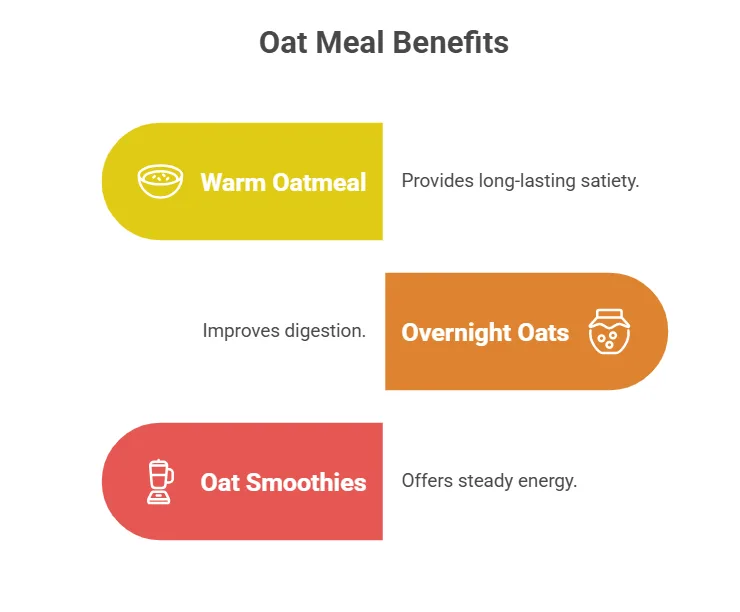
Oatmeal with PCOD - Oats are a good breakfast option, so prepare them correctly.
Overnight Oats and Smoothies for Hormonal Health
Eating overnight oats is a great way to help women with Polycystic Ovarian Disorder (PCOD) with superior digestion and uptake of nutrients, without adding unnecessary calories.
Examples of PCOD-Friendly Overnight Oats Recipes
- Yogurt, Rolled Serving Oat and Seed Recipe
- Rolled serving Oat and Berry Almond Milk Recipe
- Nut Butter, Rolled Serving Oat, and Cinnamon Recipe
Ways to Incorporate Oats into Smoothies
- Add 1-2 tbsp. of soaked rolled oats
- Blend the soaked rolled oats with protein-rich ingredients
- Slow sugar absorption from all fruit sources
Savory Oats and Healthy Snack Options
Find healthy snacking ideas and savoury oat breakfast alternatives that are PCOD diet-friendly; savoury oats are a healthy breakfast alternative to regular oats.
Here are a few savoury oat options:
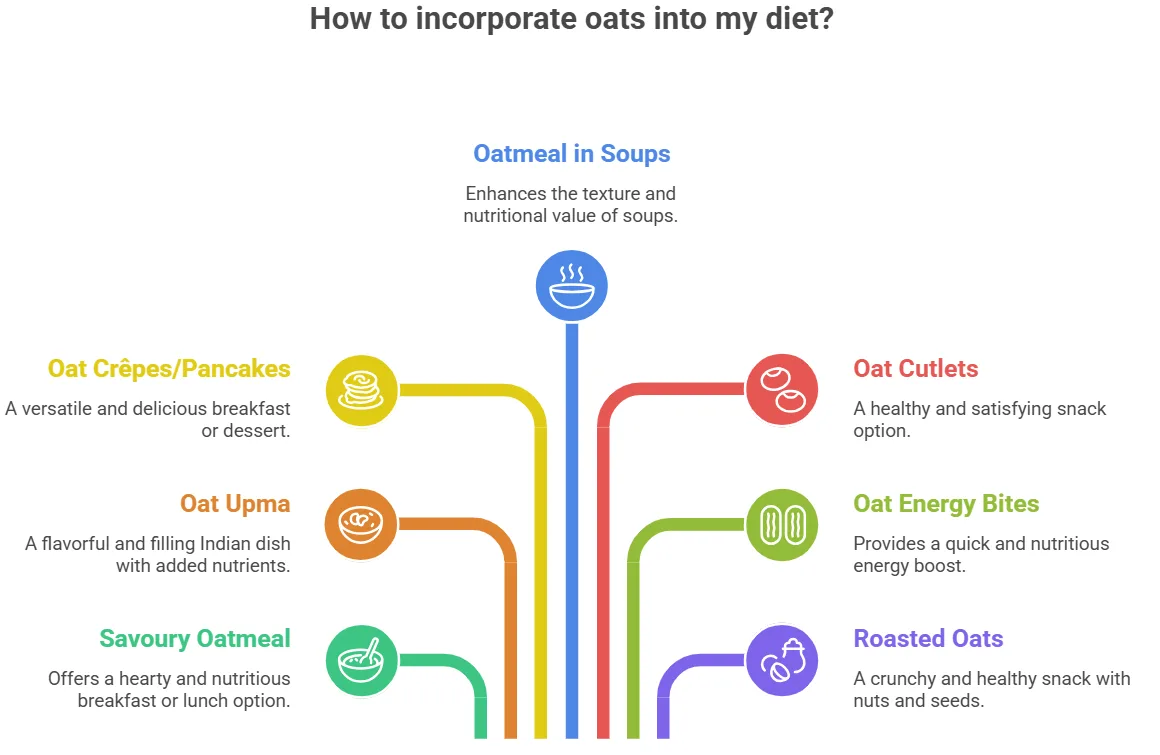
Rolled oats are great for savoury dishes as they absorb flavours and add bulk and nutrition to various foods.
Choosing the Right Type of Oats for PCOD
There are some types of oats that can be beneficial to manage the issues related to polyscystic ovarian syndrome (PCOS). The types of oat you choose will have a direct effect on your blood glucose level, your insulin response and your overall balance of hormone production. In general, minimally processed oats will offer the greatest benefit for PCOS whereas heavily processed types of oatmeal can create more problems than they solve.
By understanding the different types of oatmeal, you can educate yourself on the best healthy choices available to you in your diet and to support hormone levels that may be negatively impacted due to the imbalance caused by PCOS.
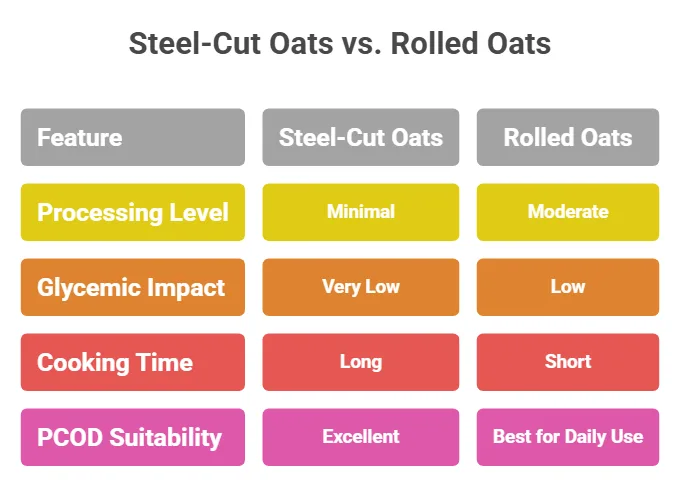
Steel-Cut vs Rolled Oats for PCOD
PCOD meals typically consist of either steel-cut or rolled oats. Both forms of oats are whole grains but have different textures, different cooking speeds, and different glycemic effects.
Steel-Cut Oats:
- Are the least processed oat form.
- Have a very low Glycemic Index (GI).
- Digest slowly and provide long-lasting energy.
- Are recommended for strict glycemic control.
Rolled Oats:
- Are lightly processed and steamed.
- Are easier to digest than steel cut aromatic oats.
- Cook faster than steel cut aromatic oats; therefore are more versatile because they are dry uncooked.
- Fit well into daily Meal Planning for PCOD
Why Instant Oats Are Not Ideal for PCOD
The processing of instant oats causes a significant amount of fiber to be removed while at the same time raising the glycemic response to food.
Why you should stay away from instant oats if you have PCOD
- Higher Glycemic Index
- When consumed, instant oats have a much quicker digestibility; therefore, you will have a quicker insulin spike.
- Most instantaneous oats will have added sugar and flavoring agents for taste enhancement.
- Both added sugars and flavorings cause cravings and energy dips.
- The plain variety of oats, especially rolled oats, are a better source for stabilizing hormones.
Portion Control and Best Time to Eat Oats
Portion control is important for all foods, especially if you’ve got PCOS! Following these tips will help with portion control:
- Limit cooked serving size to ½ cup per meal.
- Always have protein and healthy fats with oats
- Don’t eat more than you need!
Best times to eat oats for PCOS:
- Breakfast (early after waking or breakfast)
- After workout
- Don’t eat oats past bedtime
Eating right-sized portions at the correct time will help to maintain insulin stability and increase your energy levels!
FAQs:
Q1. Is oats good for PCOD every day?
Yes, oats for PCOD can be eaten daily in moderate portions when combined with protein and healthy fats.
Q2. Which oats are best for PCOD?
Rolled oats and steel-cut oats are best for PCOD as they are minimally processed and low on the glycemic index.
Q3.Can oats help with weight loss in PCOD?
Yes, oats help with weight loss in PCOD by improving satiety, controlling cravings, and stabilizing blood sugar levels.
Q4. Are rolled oats safe for PCOD?
Yes, rolled oats are safe for PCOD and are one of the most recommended oat types for regular consumption.
Q5. How much oats should be eaten per day in PCOD?
About ½ cup of cooked oats per day is ideal for PCOD, adjusted based on individual energy needs.
Conclusion: Take Control of Your Health—Incorporate Oats into Your Diet to Better Manage PCOD Today!
By choosing healthy diet and lifestyle habits every day, you're on the road to success in the long run for managing PCOS. Incorporating oats into your diet provides you with one of many simple, nutritious resources to support hormonal health, improve insulin sensitivity and maintain stable, consistent energy levels. The fibre content of oats, combined with their low glycemic index (GI), is an excellent replacement for refined carbohydrates—which can cause increased PCOS symptom severity.
To maximise the nutritional value of oats for PCOS and maintain healthy blood sugar levels, you should choose minimally processed sorts of oats, such as rolled oats. Oats, when consumed together with a combination of proteins, healthy fats and high-fibre foods, can help manage your cravings, support your weight management efforts and prevent you from experiencing multiple energy dips throughout each day—common issues for women suffering from PCOS.
By consuming oats for your PCOS every day—whether in the form of oatmeal, overnight oats, as part of a main meal or as a healthy snack—you are taking a proactive step toward maintaining hormonal health. With a little bit of thought put into food amounts and combinations, oats can easily become a comforting, long-term addition to your diet and support your efforts to manage PCOS naturally and with confidence.