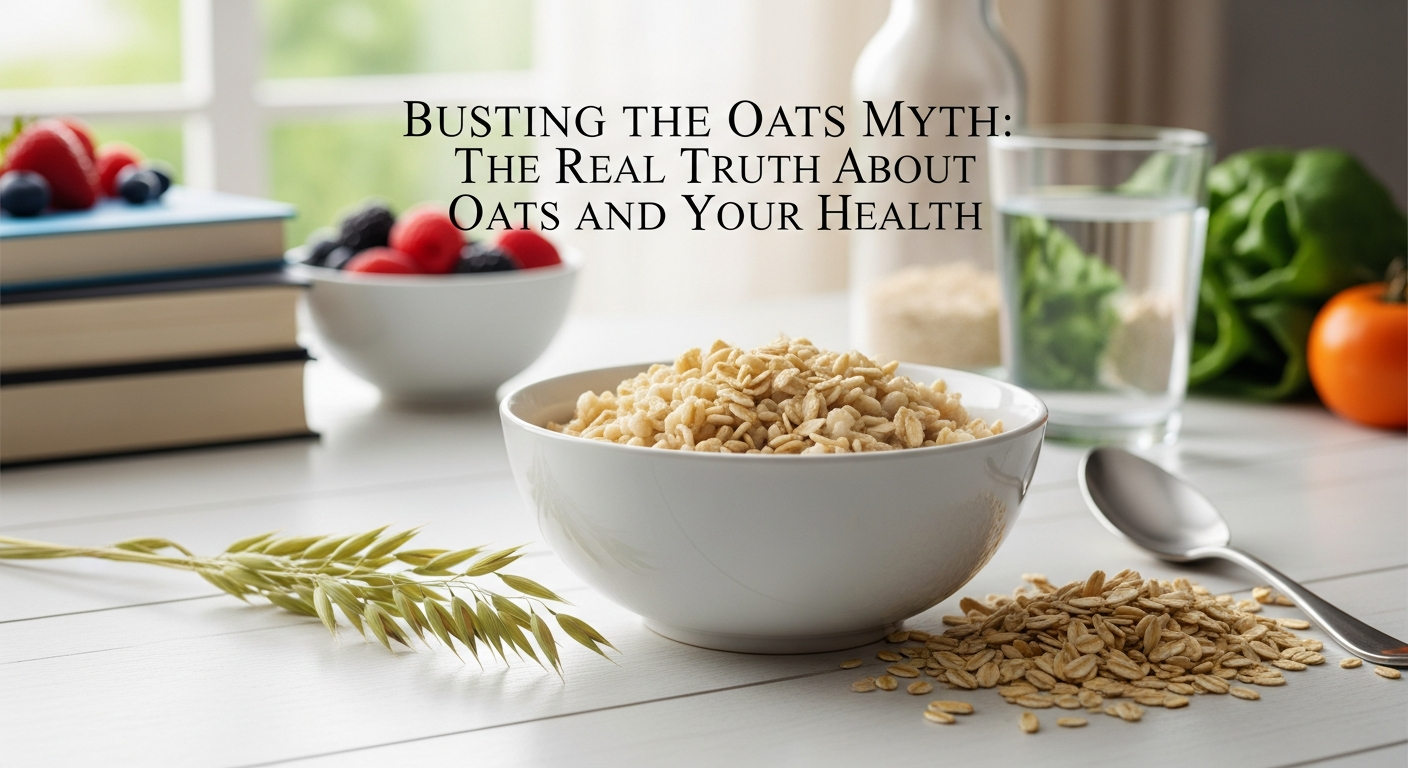
Oats have long been confused, misrepresented, and misunderstood through a combination of viral misinformation and misinterpretation—with the result that many people view oats as "unhealthy," "fattening," or "unsuitable" for everyday use. Many of the myths around oats are based on misunderstanding carbohydrate, gluten, and processed foods. On the other hand, oats are one of the highest-nutrient density whole grain foods that have been used for thousands of years throughout different countries as a source of energy, digestive support, and nourishment.
Oats have been and continue to be a fundamental source of wholesome carbohydrates in many cultures for breakfast, cooked into smoothies, etc. Despite modern misleading information, many still question the true power of oats as a "superfood."
Fewer people think about oats contributing to weight gain or increasing blood glucose levels. However, oatmeal is rich in soluble fiber, particularly beta-glucan, which has been shown to reduce cholesterol levels and promote healthy digestion and satiety over time. Misconceptions about weight gain and increased blood sugar are prevalent because people often eat oats with sugar toppings or choose the flavored instant packets, regardless of the size portion consumed. In actuality, when oats are prepared correctly with the right amount of minimally processed oats and balanced foods, they provide sustained, therapeutic energy that helps individuals manage their weight, maintain healthy hearts, and promote wellness.
Understanding the Origins of the Oats Myth
Despite existing for thousands of years as both nutritious sources of energy and being beneficial for digestion through their high fiber content, oats have become associated with carbohydrates in recent times. Due to confusion around carbohydrates, diet trends that encourage consuming only whole grain foods, and the myth regarding why certain grains like oats are harmful, oats have been included in these categories when they should remain classified as healthy options. As a result of this common association among many individuals, it is commonly thought that oats will lead to a spike in blood glucose levels (blood sugar) and promote excessive weight gain, which is not supported by scientific research demonstrating that oats are a healthy addition to one's overall diet, while many individuals have been led to believe this falsehood because of misinformation regarding both gluten and about how foods that contain gluten are processed
How Misconceptions About Oats Started
Carbohydrate diet fads over the last few years have created confusion about carbohydrates. These fads have created the belief that carbohydrates are primarily responsible for weight gain and thus created a blurred line between refined sugars (the most widely known contributor to weight gain) and whole grains.
- Research continues to be done in the area of carbohydrates and oats, as it relates to weight gain, and many of the myths associated with oats have now emerged.
- A few examples of carbohydrate myths include: All carbohydrates are created equal — i.e., the belief that oats will make you fat has led to this myth.
- Packaging for instant oatmeal has included sugar (and/or sugar products) making it difficult for consumers to view oats as a healthy food choice.
- The viral message regarding oat consumption leads many to believe that oats cause weight gain without taking serving sizes into consideration.
- The increasing trend in very restrictive diets has led to a generalised fear of all grains and therefore of oats with their glucogenic effects.
Complex carbohydrates (e.g. oats) provide steady energy providing the nutrients needed by the body; however the myths surrounding oats do not contain accurate information.
The Role of Social Media in Spreading the Oatmeal Myth
The spread of misinformation about oatmeal has increased due to social media, as evidenced by the abundance of misleading health reels, people's viral posts about "oats are bad" or popular diet hacks that do not fully acknowledge nutritional science.
Ways that social media creates myths:
- Social media influencers making nutrition simple to get more interaction from their followers
- Before and after weight loss videos that wrongfully blame oats for the loss of weight
- Clickbait articles claiming that oats lead to insulin spikes or interfere with fat loss
- Making the wrong type of comparisons between oats and sugary breakfast cereals
Ultimately:
All the repetition of misleading and unproven statements only adds to the current confusion about health and creates a great deal of fear among the public about eating oats, even though oats are one of the most documented and nutritionally rich grains
What History Says About Oats as a Staple Grain
For centuries, different cultures have valued oats as a solid, sustaining grain that gives its users long-acting energy. They were viewed as one of the earliest "Fueling" Foods before they had a popular "Oat" mythology, as they provided a warming breakfast, were considered an endurance food, and would stimulate digestion in a softer manner than other grains.
Oats were/are utilized historically in many ways:
- Porridge form - to provide long-lasting energy.
- Medicinal use to ease digestive upset.
- Oats provided sustained fullness for use by soldiers, farmers, and travelers.
Oats were a "staple" grain for residents of colder climates due to their strength and nutritional value.

Reality: Tradition and research both show that oats are a wholesome, balanced grain—not the health threat myths portray.
Common Myths and Misconceptions Surrounding Oats
Due to false information spread by social media, fad diets, and misinformation regarding product consumption, many individuals have created myths concerning oats. The major pillars of the modern-day myth surrounding oats state that oats can cause weight gain, contain gluten, and have an abundance of carbohydrates. In fact, however, oats possess one of the highest densities of nutrient-rich whole grains, providing high amounts of both soluble and insoluble fibre, plus antioxidants and carbohydrates that break down slowly, providing sustained energy. Understanding the reality behind each of these widely-held myths about oatmeal will provide people with the ability to make healthier decisions when consuming oatmeal products while also taking advantage of the many health benefits associated with consuming oats.
Oats Cause Weight Gain”—Why This Oatmeal Myth Is False
Oats do not cause weight gain, however many assume that they do because of all the added ingredients people add, such as creamers, sugars and sweeteners, which increase their caloric value.
The following are reasons people may believe this myth:
- Sugar is added to many packets of flavored oats.
- People commonly add high-calorie food (such as honey, syrup or dried fruit) to their oats.
- People are often given oversized portions of oats.
- Social media incorrectly labels all carbohydrates as unhealthy.
The truth about oats is that they contain soluble fiber (known as beta-glucan) which will slow down the digestion process and keep you fuller longer than it will while you are eating them. They will also decrease your appetite throughout the whole day making it easier to lose weight. So it's not the oat causing weight gain, but rather the calorically dense toppings that are added to them. When eaten in moderate portions with balanced toppings, oats become an excellent choice for a nutritious, weight-loss friendly breakfast.
The Gluten in Oats Myth: What You Need to Know
Many people believe that oats contain gluten simply because it is very common to presume that all oats contain gluten. Because of this myth many individuals who are sensitive to gluten do not realize that they can enjoy oats.
Key Points
- Oats are naturally gluten-free.
- Cross-contamination of oats with other cereals that contain gluten can occur during farming, transport or processing.
- Certified gluten-free oats can be consumed by people who are sensitive to gluten.
- The protein found in oats is avenin, not gluten.
The misconception about gluten in oats likely arises from the fact that when the majority of oats make their way through the supply chain (to process and package) they usually come from facilities that also process wheat, barley, and rye, therefore creating cross-contact of those grains with oats. However, pure, certified gluten-free oats go through very strict handling processes to ensure no cross-contamination. Therefore, when individuals with celiac disease and/or gluten-intolerant individuals are using certified gluten-free oats, it guarantees that they can benefit from the nutritional advantages of oats without having the possibility of experiencing symptoms caused by gluten exposure. Oats are still one of the best gluten-free whole grains available when sourced correctly.
“Oats Are Too High in Carbs”—Fact vs. Fiction
The myth regarding oats being "high in carbohydrates," and therefore "bad for you" stems from several reasons.
1. Trends in the low carbohydrate diet world (keto, paleo) are anti-grains.
2. There is a lot of confusion regarding the difference between complex carbohydrates and refined carbohydrates.
3. The majority of the population does not understand the glycemic index (GI) of carbohydrates.
4. Many people have seen viral videos and social media posts making them afraid of all types of carbohydrates.
Complex carbohydrates are what are found in oats and these release energy into your blood stream slowly; therefore, they do not cause your blood sugar levels to spike after eating them. When you eat refined carbohydrates, they cause quick spikes in blood sugar level; however, when you eat oats, they provide your body with fiber, vitamins, minerals, and antioxidants which help improve cardiovascular and digestive health, making them a good source of carbohydrates. This is why eating oats provides fuel for your brain, metabolic support, and sustained energy for an extended period of time, supporting why the myth of carbs being harmful to health from oats is incorrect.

The Science-Backed Benefits of Eating Oats
Oatmeal has often been misrepresented as a healthy food choice due to various fad diets and the oat myth. However, there are numerous studies that show that oatmeal is actually one of the healthiest whole grain foods available today. Oatmeal's high levels of soluble fiber, antioxidants, vitamins, minerals, and other nutrients make it very beneficial for heart health, digestive health, metabolic function, immunity, as well as many other aspects of our lives. There are currently multiple global studies demonstrating how oatmeal regulates cholesterol levels, promotes good gut health, maintains stable blood glucose levels, and provides sustained energy throughout the day — effectively disproving all of the existing myths regarding oatmeal. Oats are an excellent source of nutrition that can easily be added into a person's daily diet without requiring additional preparation or effort.
Oats as a Heart-Healthy Food Backed by Research
Research has produced a body of evidence that supports the health benefits of oats on the cardiovascular system.
- As noted throughout the research on oats, the main components that help lower LDL cholesterol are the Beta-Glucan fibers present in oats.
- Additionally, Beta-Glucan fiber reduces the formation of plaque on the arteries, and supports an improved cardiovascular circulation system and overall functioning of the heart.
- Finally, Beta-Glucan fibers reduce inflammation which is a significant risk factor for heart disease.
A common myth surrounding oats is that they raise cholesterol levels due to their carbohydrate content; however, research has demonstrated that oats can lower LDL cholesterol due to the presence of Beta-Glucan fibers in oats form. When consumed, Beta-Glucan creates a viscous gel-like substance that binds to cholesterol while in the digestive system, removing it from the body. Research indicates that just 3 grams of Beta-Glucan consumed daily can have a meaningful impact on lowering a person's LDL cholesterol levels. Therefore, oat products can be a "super food" for anyone concerned about heart health.
Fiber, Vitamins & Minerals: The Real Nutrition in Oats
Oats are not just 100 percent oats they also contain lots of nutrients essential to human health, including:
- Oats have both soluble and insoluble fiber.
- Oats have magnesium, zinc, iron and potassium.
- Oats have B vitamins that support the health of both the brain and body through energy production.
- Oats contain a group of rare antioxidants called avenanthramides, which help protect against oxidative stress.
The nutrient profile of oats is something few people would ever think about or actually compare with their daily diet. In addition to providing many of the nutrients we need for healthy living (magnesium, zinc, iron, potassium, and many of the B vitamins for brain health), oats also provide a substantial amount of the nutrients that promote healthy digestion, keep our blood sugar stable, and reduce hunger (both from fiber and protein). Because oats are full of all of these nutrients, they can help support our bodies in several different ways. In addition, the antioxidants in oats have been shown in numerous studies to reduce inflammation and increase circulation throughout the body. Therefore, considering their wide variety of health benefits, including the nutrients they provide as well as their antioxidants, oats should be included as part of everyone’s daily diet.

Oats for Digestion, Energy & Metabolism
Oatmeal is an effective method of improving gut health, increasing energy levels, supporting metabolic function.
The following sections will cover the digestion and energy/metabolism benefits of oatmeals;
Digestion Benefits
Digestive system benefits are ample; examples include:
1. Assisting people with constipation
2. The ability of oatmeal to promote healthy intestinal flora (through prebiotic effect)
3. Creating a smooth surface for all of the digested food that passes through; this occurs due to the use of soluble fiber.
Energy & Metabolic Function Benefits
The means through which oats promote energy and metabolic efficiency is through their slow-release energy mechanism, which provides sustained fullness and reduces cravings for excess food.
Oatmeal digests slowly, thus preventing peaks in the blood sugar level, which subsequently diminishes metabolic efficiency
Who Should Be Cautious With Oats?
Oats are one of the most nutritious foods on the planet and are often recommended for overall health; however, there are still certain groups of people that need to be cautious of eating oats. Many of the reasons for this "caution" stem from misunderstandings and the "oats myth," all of which tend to enhance the potential dangers of eating oats. That being said, there are specific scenarios where some people may need to be especially mindful of what kind of oats they eat and how they prepare them (i.e., people who are allergic to oats and people who may have issues with gluten, sensitivity, allergies, and/or gluten).
Most individuals may find that they experience digestive trouble when they consume oats due to a mild sensitivity to oat protein (the primary protein found in oats) or due to possible additional ingredients that may have been added to the oats during processing or preparation. However, for those that have celiac disease or are gluten intolerant, they must be cautious of cross-contamination, as the oats they consume may come from a facility where wheat has been processed.
Oat Sensitivity vs True Allergy
One of the myths surrounding oats is that not all individuals who react to them have an actual allergy. In the majority of cases, the reaction is caused by minor digestive symptoms (such as bloating or flatulence) resulting from the soluble fiber in oats that are normally experienced while the body adjusts to the addition of this type of cereal grain into one's diet.
By Understanding the Difference
Oat Sensitivity: the Most Common
Sensitivity refers to issues with digesting certain components of oats when consumed. The
1. following are examples of typical signs of Sensitivity:
- Bloating and/or flatulence
- Discomfort in the abdominal area
- An uncomfortable feeling of fullness
- Transient changes in the digestive tract
2. Symptoms typically improve by:
- Soaking the oats overnight
- Reducing the amount of oats consumed
- Keeping the toppings simple
3. True Oat Allergy: Rare
An actual allergy is a response by the immune system to the protein found in oats. Some of the potential symptoms associated with
4. allergies to oats include:
- Skin rash
- Itching or irritation
- Shortness of breath or difficulty breathing
- Very severe digestive problems
If you notice these types of symptoms after eating oats, it is strongly recommended that you avoid any further consumption of them.

Celiac Disease & The Gluten Cross-Contamination Issue
Oats themselves do not contain gluten, which is a common myth among many people. This myth stems from the way in which commercial oats are processed and handled. At many points between the farm to the grocery store (e.g., farm, trucking, mill), oats are typically contaminated with other grains which do contain gluten, leading to the misconception that oats themselves contain gluten.
Celiacs need to be especially careful when choosing oat products. They must buy only certified gluten-free oats; these have been grown, harvested, packaged, and shipped completely separate from all gluten-containing products.
The majority of cross-contamination occurs:
- On shared farmland
- In trucking
- In mills that also process gluten grains
- In packing plants
If a celiac consumes a product that has been cross-contaminated with gluten, they may experience the following symptoms: stomach pain, diarrhea, extreme fatigue and malabsorption of certain nutrients.
To summarize, just because there are many potential sources of cross-contamination does not mean that oats are unsafe to eat; it simply highlights the need for celiacs to consume only certified gluten-free oats. The perceived connection between gluten and oats is simply a misunderstanding of what cross-contamination refers to.
Safe Consumption Tips for Sensitive Individuals
It is not necessary to eliminate oats from your diet completely if you have mild reactions to the food; rather, you can eat oats but take precautions when consuming them. When you know what types of oats are safe for you and how to prepare them, you will prevent confusion caused by the myth of oats.
Recommendations for Eating Oats Safely.
1) Start Slowly.
Beginning with 2–3 tablespoons is a good way to gradually increase the amount of food your body will become accustomed to.
2) Eat Plain Oats (No Flavored Packets).
People tend to react to oats due to the addition of sugar and preservatives in most packets of flavored oats.
3) Eat Soaked or Overnight Oats.
By soaking your oats, some soluble fiber will dissolve into the water and be easier for your body to digest.
4) Use Certified Gluten-Free Oats If You Are Gluten Sensitive Or Have Celiac Disease.
For individuals who are diagnosed with gluten sensitivity or have celiac disease, this is an absolute necessity.
5) Pair Oats With Gentle Foods.
Some examples of foods that are gentle enough to pair with oats include hot water, milk, bananas, cinnamon, honey and chia seeds.
6) Do Not Overindulge with Oats.
Even though oats are an extremely healthy choice, overeating oats can lead to excessive fullness and a sense of bloat.
7) If You Experience Symptoms;
If you experience symptoms following your initial introduction of oats, discontinue consumption and consult with your healthcare provider or dietitian to determine whether or not oats are safe for you.
How to Incorporate Oats Into a Balanced Diet
There is no end to the ways you can use oats, as they are such an adaptable whole grain. Oats are perfect for breakfast, snacks, and savoury recipes. The myth that oats are too high in carbohydrate content to eat or that they cause weight gain continues to persist. In actuality, oats contain fiber and vitamins, all of which provide the body with energy at a slow and steady pace. Eating oats can enhance your digestive system, stimulate metabolism, and help to create deliciously healthy meals as long as you eat them thoughtfully.
Delicious Ways to Enjoy Oats Daily
- Make hot oatmeal using either water or milk (oatmeal can be made with water for those who are dairy-free) for a warm healthy meal to start your day.
- Add some oats into a smoothie to increase thickness and nutrition.
- Combine oats with yogurt, fruit and nuts to create a great instant energy bowl.
- Use oats in various savory dishes: upma, poha, khichdi, (Indian) etc.
- Have oat dosa, oat pancakes (oatmeal pancakes are healthier than regular pancakes).
As You Can See: There are many delicious ways to eat oats such as oatmeal, oatmeal-type dishes and so on. The easiest way most people would enjoy oats daily would be warm, hot oatmeal (a very traditional way to eat oatmeal). You can add fruits, spices and even nuts to add flavor to your oatmeal. If you're busy in the morning or don't want to eat a lot of food, another great option is to add oats into smoothies. You can get a high amount of fiber in your diet and feel full without putting in much effort. If you prefer savory dishes, you can use oats instead of rice or wheat in a variety of different Indian dishes such as upma, poha or khichdi. This means that the myth that oats are only breakfast foods truly does not hold up.
Oats for Weight Management & Balanced Eating
The following attributes make oats an important part of a healthy diet:
- Eating high-fiber foods will help you stay full.
- Eating high-fiber foods can help you manage your cravings by providing stable blood sugar levels.
- Eating high-fiber foods will support healthy digestion, due to the soluble fiber in oatmeal.
- Eating oatmeal with other low-glycemic index foods will provide a steady source of energy.
The common misconception about eating oatmeal when trying to maintain a healthy weight is that oats are high in carbohydrates; however, in reality, oats help promote weight management because they contain soluble fiber that expands in the stomach after you eat it. This allows you to feel fuller longer after eating a meal, leading to decreased eating between meals. The added benefit of oatmeal is that it controls blood sugar levels so there aren't sudden spikes in hunger. When combined with healthy toppings like nuts, seeds, or fruits/proteins, oatmeal can be an effective part of a person’s healthy eating plan and lifestyle.
Easy Whole-Grain Recipes for Breakfast & Beyond
Some popular oat recipes include:
- Oatmeal bowls topped with fruit and/or nuts
- Overnight oats made with yogurt or almond Milk
- Oat Energy Balls made from dates, nut butter and nuts
- Savory oat soup and porridge
- Baked Oats, Muffins and Oat Granola
Oats can be prepared in many ways from Sweet (western) to Savory (Indian). Overnight Oats are ideal for those who prefer a nutritious, convenient breakfast option. Baked Oats and Muffins work well for meal prepping and snacking. Savory lovers can prepare Oat Porridge (or other savory dishes) with veggies, spices, and herbs to create a comfort food, nutritious meal. These recipes will counter the myth that "Oats" are too 'Boring' or 'Plain', as the many different ways to prepare Oats showcases their wide variety of uses!

FAQs
Q1. Is the oats myth true that oats are unhealthy?
No, oats are a highly nutritious whole grain packed with fiber, vitamins, and heart-healthy benefits.
Q2. Do oats cause weight gain?
Oats don’t cause weight gain; overeating or adding sugary toppings is usually the real reason.
Q3. Is the oatmeal myth about oats being bad for digestion true?
No, oats actually support digestion thanks to their soluble fiber, which promotes gut health.
Q4. Do oats contain gluten?
Oats are naturally gluten-free but may be contaminated during processing unless labeled certified gluten-free.
Q5. Are oats too high in carbs?
Oats contain healthy complex carbohydrates that provide long-lasting energy, not harmful spikes.
Q6. Can people with celiac disease eat oats safely?
Yes—but only certified gluten-free oats, as they are free from cross-contamination.
Q7. Is oatmeal processed and unhealthy?
No, oatmeal is minimally processed and remains a nutrient-rich whole grain when consumed in its natural form.
Conclusion: Separate Fact from Fiction—Give Oats a Place at Your Table!
Oats are a great source of nutrients. They're also good for your heart, your gut, your blood sugar, and for keeping you energized throughout the day. All of this means that all of the different "oat myths" — that oats are bad for you, are unhealthy, and that you shouldn't eat oatmeal — are not accurate. If you're eating oats in their natural state, and you're pairing your oats with healthy toppings, then you're making a healthy decision regarding your food choices and how you live your life.
Rather than letting false claims about what you should eat influence your food choices, use established nutritional information and scientific evidence to support your decision to incorporate oats into your diet. You'll have different options available to you when you utilize oats creatively; whether it is making breakfast the way you want it or using oats to prepare delicious meals and snacks, oats can enhance both your physical and mental health. You can confidently embrace oats as an integral part of your nutrition plan, separating "myth" from "truth," following the advice of reputable sources, and making room for oats at your table. Oats aren't simply healthy for you – they are one of the best whole grains to include in your diet.








 +91 63528 07509
 sales@thefoodslife.com
 225, Orchid Plaza, Sama-Savli Rd, behind McDonald's, Vemali, Vadodara, Gujarat 390008