For centuries, many people throughout history have baked cookies because they represent the enjoyment of what we eat.Traditional cookies are based on the use of four basic pantry staples: flour, butter, sugar, and other ingredients. Using these types of ingredients allows for the creation of traditional cookies with familiar flavour profiles and a comforting texture. Traditional cookies are also gentle on your digestive system if they are consumed with moderation, making them a great option for everyday enjoyment.
Additionally, there are healthy options available that offer the same nostalgic feelings when eating traditional cookies while still providing a source of nutrition!
The Enduring Appeal of the Traditional Cookie
For generations, the traditional cookie has remained one of the most loved treats because they are a comfort food, have an emotional connection, and are simple to make from ordinary pantry staples. The recipes are based on historical cooking practices and therefore are consistent in taste and comfort. Unlike trendy dessert items that tend to cycle in and out of favor, traditional cookies always have a place as part of our everyday life whether enjoyed with tea or a festive occasion to share with family and friends or baked for those we love. The lasting appeal of traditional cookies is the seamless integration of flavor, memory, and tradition.
Traditional Cookies as Comfort Food Classics
Traditionally cookies are associated with home, warmth, and comfort; as such, all traditional cookies share common characteristics - they are mild in sweet taste, easy to digest, and very satisfying to eat.
Common Reasons for Comforting Properties of Traditional Cookies:
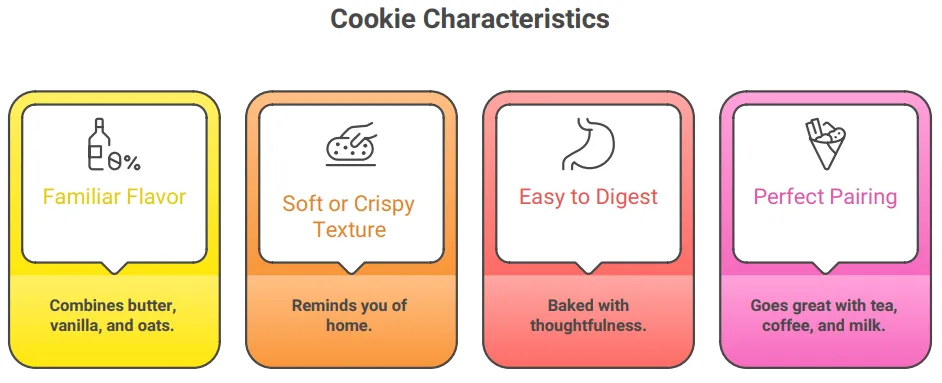
- Familiar Flavor - the flavor combines butter, vanilla, and oats
- Soft or Crispy Texture - A texture that reminds you of home
- Easy to Digest Ingredients - When baked with thoughtfulness, traditional cookies have been found to be easy to digest.
- Perfect for the Fun of the Moment - Traditional cookies go great with tea, coffee, and milk.
The majority of traditional cookie recipes can also be modified into healthy cookies by using whole grains and natural sweeteners but will still maintain their comforting characteristics.
Nostalgia and Emotional Connection to Traditional Cookies
The emotional attachment to traditional cookies runs deeper than taste. They evoke nostalgic memories of childhood kitchens, family gatherings, and good times spent together.
Reasons They are Valuable Emotionally:
- Family recipes handed down through generations
- Familiar scents that bring back memories
- Celebrated at holiday festivities
- Made with love by friends and family
The emotional connection creates a timelessness in traditional cookies, which become more than just food—they represent your connection to family and history and provide you with a sense of home and belonging.
Why Simple Flavors Stand the Test of Time
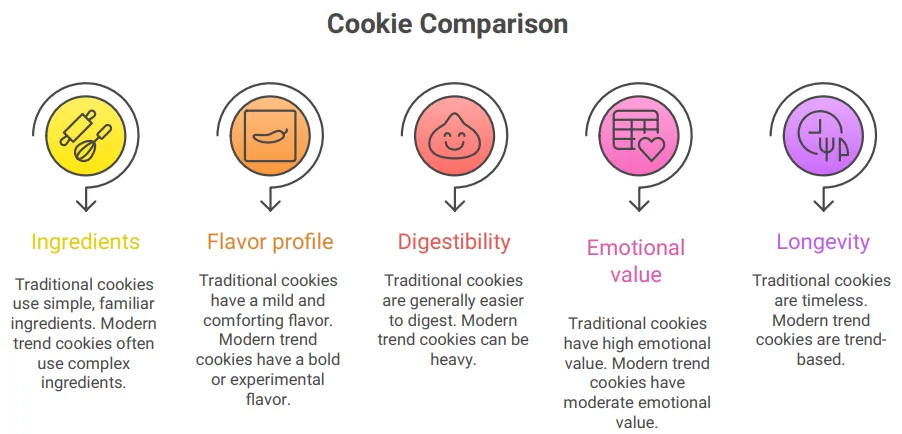
The key to the enduring success of traditional cookies is simplicity. Simple, balanced ingredients create a flavor profile that will appeal to multiple generations and many cultures.
Reasons Simple Flavors Work:
- Pleasant to all palates—kids and adults.
- Pair well with beverages of all typ
- Easy to make healthier
Classic flavor pairs (Oat/Wheat/Honey, Mild Spices) show that complex combinations aren’t needed for delicious cookie flavours!
Key Ingredients That Define a Traditional Cookie
A traditional cookie has some very familiar and simple ingredients that have been around for a long time. All of these ingredients provide a certain taste, smell, and feel that many people love. The majority of traditional cookie recipes consist of a balanced ratio of fats, flour, and sweeteners to create the classic cookie flavor. These same ingredients can also be used to create a healthy cookie by choosing them carefully and without sacrificing tradition.
Butter, Flour, and Sugar: The Classic Cookie Base
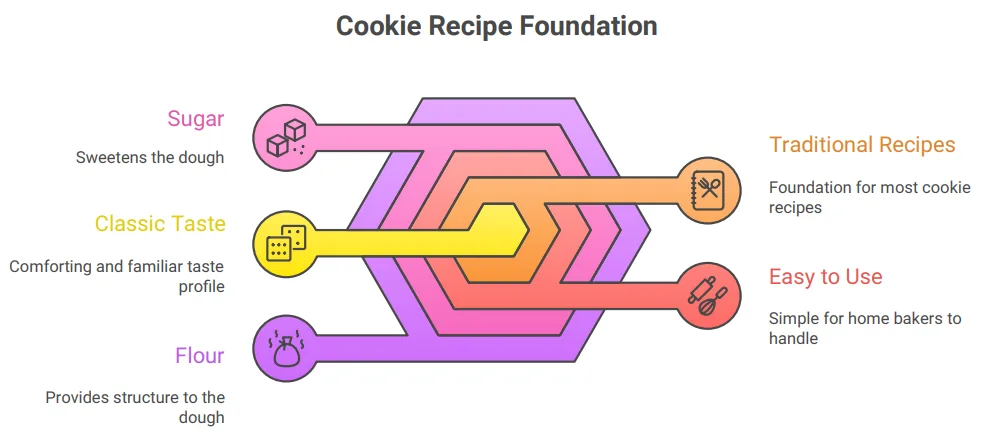
The three most important ingredients for traditional cookies are:
- Butter provides a richness as well as moisture and gives cookies that nice melting texture.
- Flour provides cookies with their shape and structural integrity.
- Sugar is sweet, but it also helps to create crunchy edges or soft centers.
The Reason Why This Combination Works:
- The combination of butter, flour, and sugar has a familiar taste and aroma.
- Easy for the average home baker to use in their cookie creations.
- The foundation or starting point for most traditional cookie recipes.
- This classic combination creates a comforting and familiar taste profile for all cookies.
Choosing the Right Sweeteners for Flavor and Texture
The sweeteners you choose greatly influence the flavor and texture of your cookie. Sugar contributes not only sweetness, but also colour and the way cookies spread out in the oven, as well as how chewy or crunchy a cookie feels when you bite into it.
The following table lists common types of sweetener used for different types of cookies:
- White Sugar: This type of sugar makes cookies crispy.
- Brown Sugar: Cookies made with brown sugar tend to be more moist and chewy.
- Powdered Sugar: Cookies made with powdered sugar will be softer and more delicate.
The sweeteners you use will also influence how brown your cookie gets while baking, the softness or crunchiness of a cookie, and the level of flavour depth.
Healthier Ingredient Swaps Without Losing Tradition
To create healthier versions of your favourite traditional cookie without losing the flavour you love, simple ingredient substitutions may help.
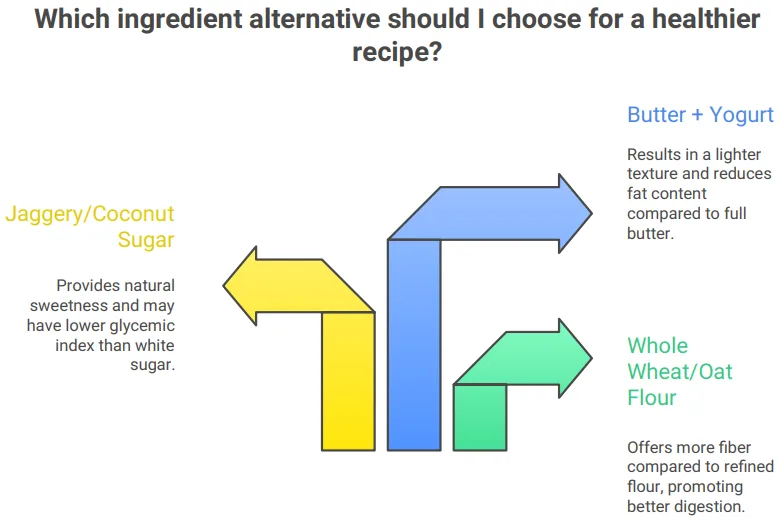
The following are examples of some easy ingredient swaps for healthy baking:
- Whole Wheat or Oat Flour Instead of White or Refined Flour
- Jaggery, Coconut Sugar or Dates Instead of Refined Sugar
- Less Butter with Added Plain Yogurt or Nut Paste
Your body can digest these tasty alternatives better and they contain higher amounts of fibre and nutrients than their conventional alternatives. And with proper measuring and balancing, they still produce the same comforting flavour.
Baking Techniques Passed Down Through Generations
The traditional cookie has more than just its taste, but also includes a large part of what contributes to that taste are all the techniques used to make it. Rather than using modern baking equipment, cookies were made prior to that time with an old fashion way and means of being patient and having some common household items to use. These old time-tested processes produced cookie recipes that maintained similar textures and provided lots of rich aromas and flavors. There are plenty of bakers today who still use these old ways of producing cookies as well as doing slight modifications for healthier types of cookies so that their original essence still exists.
Hand-Mixed Dough and Old-Fashioned Methods
Hand Mixing Dough is one of the longest existing baking methods that has a special place in the heart of bakers throughout the ages. Hand mixing allows a person to control the texture of their cookie better than using an electric mixer or dough hook for excessively long times. The Hand Mixing Process Still Exists for a Reason!
1 - Allows for a consistent and proper bulk dough.
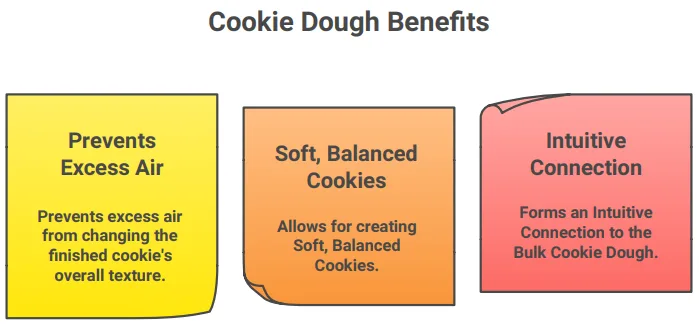
2 - Prevents excess air from changing the finished cookie's overall texture.
3 - Allows for creating Soft, Balanced Cookies.
4 - Forms an Intuitive Connection to the Bulk Cookie Dough.
In the past, when creating cookies, the dough would typically be mixed by:
1 - Wooden Spoons
2 - By Hand when Kneading/Manipulating
3 - With a Bowl Plate
This OLD Fashioned Method of Making Traditional Cookie Dough allows a Healthy Cookie to be Mixed and Handled. Whole Grains and Natural Sweeteners should be handled with care.
Oven Baking vs Modern Shortcuts
Ovens traditionally baked cookies slowly, allowing the flavours to develop gradually, whereas modern ovens employ time-saving methods that may impact the texture of a cookie if used incorrectly.
Traditional Oven Baking Advantages:
- Evenly distributed heat throughout the entire oven
- Browning and Aroma developed evenly
- Consistently Produces The Same Cookie Each Time
Modern Shortcuts Used Wisely:
- Electric ovens with built-in temperature control features
- Use Convection Bake to cook uniformly.
- Use a Preheated Cookie Sheet to create Crisp Edges
Family Secrets Behind Perfect Traditional Cookies
All families have their own unique ways of baking cookies. These “family secrets” are usually small techniques passed down from generation to generation.
Some common family baking tips include:
- Allow Cookies To Rest Before Baking Them
- Use Room Temperature Ingredients When Making The Cookie Dough
- Bake Cookies In Small Batches
- Do Not Over-Sweeten The Cookie Dough
These subtle family techniques greatly affect the taste and texture of a cookie. Today, many families utilise these family secrets to create healthier cookies:
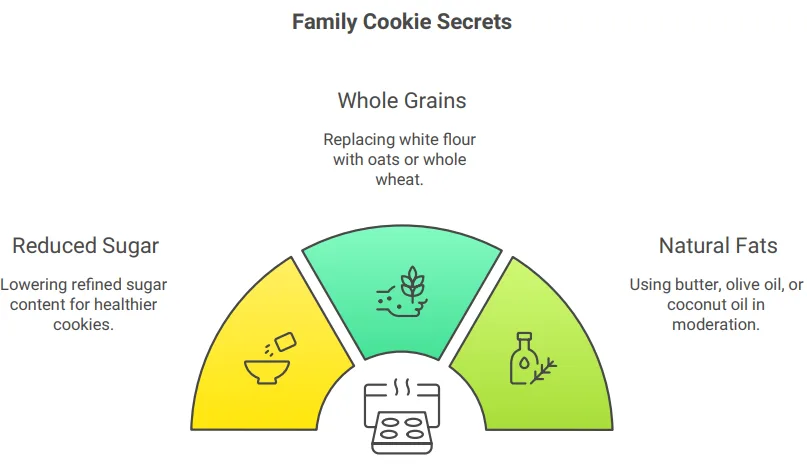
- Reduce The Amount Of Refined Sugar Used
- Add Oats (instead of white flour) or Whole Wheat Flour (instead of white flour).
- Use Natural Fats (such as Butter, Olive Oil, Coconut Oil) in Moderation
This creates a cookie that respects the tradition of baking cookies, but fits into the current lifestyle of eating healthier.
The Cultural Significance of Cookies Around the World
Traditionally, Cookies are viewed as a baked item; however, they are representative of several components in Society. Culture, history and the memories of everyone from the earliest days through to today collectively demonstrate how Cookies are prepared today. In every culture, Cookies are an integral part of Festivals, Family gatherings and Other Special Occasions, prepared using traditional techniques and basic ingredients. Cookie recipes also tell the geographic story of the area where they originated and continue to be created today. Nearly every major culture today still values their traditional Cookie recipes, and many continue to modify them gradually to create Cookies that are healthy but still retain their original flavour.
Traditional Cookies in Festivals and Celebrations
In most cultures, Cookies are a major part of Festival Celebrations and Religious Holidays. As you prepare your cookies for baking, you are also participating in a cultural ritual that brings families together.
A Few Examples of Cookie Traditions at Festivals
- Winter Holidays;Butter and spice Cookies
- Harvest Festivals;Honey Sweetened cookies
- Community Gatherings;Oat & grain based cookies
- Weddings and Birthdays;Cookies made into festive shape
Some Reasons Why Cookies Are Used for Celebrating
- They can be prepared easily;In large quantities
- Cookies generally have a long shelf life for sharing with Family and Friends
- Cookies have broad appeal to all Age Groups
- Cookies Represent Joy, Abundance and Togetherness.
Regional Variations of Traditional Cookie Recipes
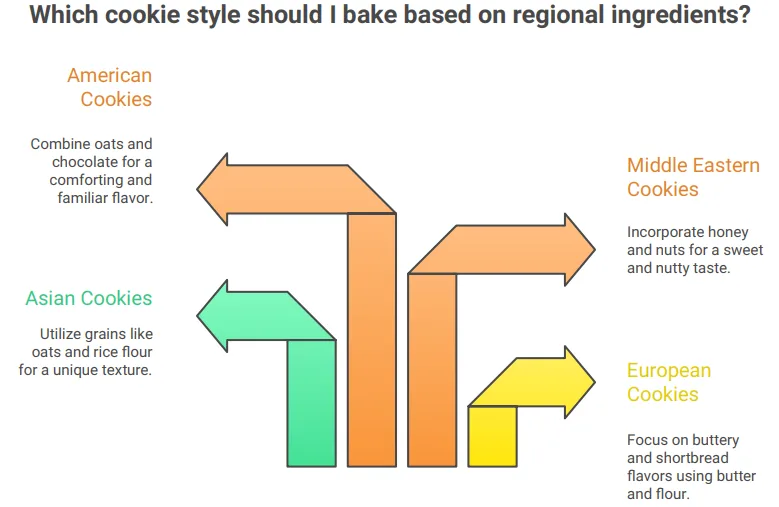
Every area adds its own special touch to the way people make cookies, based on local tastes, the climate, and the types of ingredients available to them.
The common differences found in cookies from around the world include:
- Spices such as cinnamon, cardamom, ginger
- Sweeteners such as sugar, honey, jaggery, date
- Different types of flour such as wheat, oat, rice, millet
- Texture; some cookies are soft, chewy, while others are crisp, crumbly, or hard
Why Cookies Are Symbols of Sharing and Hospitality
When you have someone visiting your home, the first thing you usually do is offer them something to eat, most likely cookies. Cookies are universally accepted as a symbol of hospitality.
Reasons Why Cookies Represent Hospitality:
- Easy to make and share
- Made from inexpensive and easily accessible ingredients
- Cookies can be given and/or taken while travelling
- Cookies are often associated with home and comfort.
When you give someone a plate of homemade cookies, you are showing you took time to care for them, and that is what is valuable across all cultures. In today's world, making cookies with healthier ingredients adds another layer of care for those you love, showing that you are mindful of your loved ones' health.
Enjoying this read? Get more like it.
Get fresh snack inspiration and updates from our team.
Traditional Cookies vs Modern Variations: Why Classics Win
Traditional cookies are still popular today because they're made using basic ingredients that create a comforting cookie experience. On the other hand, modern cookie trends tend to be more creative than traditional cookie recipes—they'll feature new flavor combinations, interesting textures and a lot of different types of ingredients all mixed together in one batch of dough. But as great as modern cookies can be, traditional style cookies continue to give people what's expected; a cookie that is consistent with regards to both taste and texture while also providing comfort to those who eat them. Nowadays, many traditional cookie recipes have been adapted to be made using healthier ingredients; therefore, almost anyone can make a delicious cookie that tastes great without compromising their health.
Classic Chocolate Chip vs Trendy Cookie Flavors
Chocolate chip cookies are arguably one of the most popular traditional cookies around the world. These cookies are delicious because they have a perfect combination of butter and chocolate; therefore, they appeal to just about everyone on the planet.
Here's Why Chocolate Chip Cookies Are Better than Trendy Cookies:
- The flavor is familiar to everyone
- The sweetness is well-balanced
- The center is soft and the edges are crisp
- There are plenty of ways to adjust the recipe to make it healthier
Popular Trendy Cookie Flavors Include:
- Tons of random stuff inside
- Crazy/artificial flavors used
- Overkill on the sweetness factor
The life span of the cookie (i.e. trendy cookies only last a little while before going out of fashion)
Although trendy cookie styles may appear to be innovative and exciting, the classic styles will, in time, prove to be more soothing, more dependable and provide a greater level of satisfaction to the consumer than will be experienced with the trendy cookie styles.
Store-Bought Cookies vs Homemade Traditional Cookies
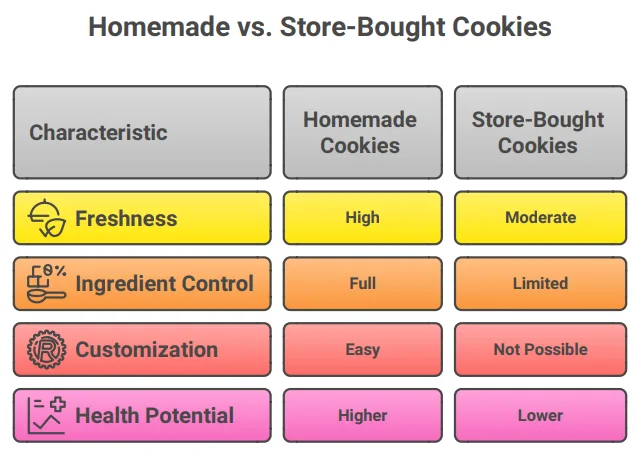
Store Bought Cookies are convenient; however, they lack fresh products, control over the amount of sugar and fat, less chance of using whole grains, and contain preservatives.
Homemade Traditional Cookies Can Provide:
- Freshly Baked Taste
- Sugar and Fat Control
- Use of Whole Grains
- Preservatives
Store Bought Cookies Typically Have:
- Longer Shelf Life Additives
- More Sugar
- Chemical Flavor Additives
Why Traditional Cookies Feel More Satisfying
Traditional Cookies Provide a sense of comfort, nostalgia, and balance of flavor rather than overwhelming sweetness.
Reasons Traditional Cookies Fill You More:
- Sugar/Fat Ratio Balance
- Simple Ingredient Lists
- Familiar Textures and Flavors
- Attachments to Memories and Emotions
How Traditional Cookies Support Healthier Choices:
- Gradual Decrease of Added Sugars
- Customizable with Oats, Whole Wheat, and/or Jaggery
- Portion-Controlled and Less Addictive
This type of balanced recipe will allow for growth from the traditional cookie recipe to a healthy version without losing the essence of the original cookie recipe.
Baking Traditional Cookies at Home: Simple and Rewarding
Making a cookie from scratch in your own kitchen is one of life's simple pleasures that evokes happy memories of food and family. A cookie using classic ingredients is perfect for everyone—even those new to baking—because they are typically very easy to follow and simple to assemble, and many people enjoy baking their own holiday cookies or making cookies for friends during Christmas. By making a few easy substitutions in any traditional cookie recipe, many traditional cookies can be converted into healthier versions, and while they are less rich than many of their counterparts, they are still delicious! There is much satisfaction in making cookies at home because you will have cookies that are healthier and fresher than anything purchased from the grocery store.
Beginner-Friendly Traditional Cookie Recipes
Traditional cookie recipes are usually ideal for beginners because they utilize basic baking steps, forgiving doughs, and generally have few ingredients needing advanced techniques.
Beginner-Friendly Cookie Varieties to Consider:
- Classic Butter Cookies requiring only mixing.
- Simple Oatmeal Cookies with very little shaping (like drop or sheet).
- Drop Cookies requiring no rolling.
Traditional Tea Time Cookie.
- Ingredients Used with Beginner-Friendly Recipes:
- Few ingredients.
- No advanced techniques.
- Shorter baking times.
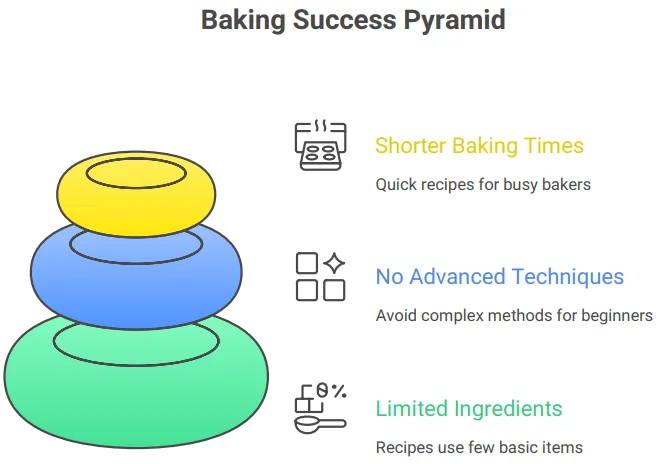
Consistent results.
Using starter-friendly cookie recipes has resulted in a lot of confidence for new bakers and a positive experience baking at home.
Tips to Make Healthier Cookies at Home
It’s easy to have healthier variations on traditional cookie recipes just by changing a few ingredients without altering the flavour or texture too much. Below are examples of simple healthy substitutions (as noted above).
Substitutions for Healthier Cookies:
- Whole wheat/oat flour instead of bleached white flour
- Jaggery/honey/coconut sugar instead of regular processed sugar
- Add nuts/seeds for more nutrients
- Reduce the butter slightly use all-natural fats
Advantages of These Healthier Options Include:
- Easier digestion
- Longer-lasting energy from the release of sugar/energy from carbohydrates
- Increased amounts of fibre and nutrients
These simple substitutions enable you to create healthier cookie recipes that are perfect for enjoying every day.
Essential Tools for Perfect Traditional Cookies
Using the right tools will help you bake better cookies by making cooking easier and giving you more consistent results, especially when using traditional cookie recipes.
Some basic tools you will need to bake cookies include:
- Mixing Bowls
- Measuring Cups & Spoons
- Baking Tray
- Parchment Paper
- Oven or OTG (Oven To Go)
How Tools Can Help You Achieve Consistent Results:
- Accurate measurements ensure that your cookies have the correct texture.
- Even baking ensures that your cookies will never be burnt.
- Using consistent shapes will improve the overall presentation of your cookies.
You don't necessarily need fancy equipment - Just the basic, reliable tools you use to create awesome traditional cookie recipes every time!
FAQs:
Q1. What makes a traditional cookie different from modern cookies?
Traditional cookies use simple, time-tested ingredients and methods, while modern cookies often include complex flavors and processed additives.
Q2. Are traditional cookie recipes healthier than store-bought cookies?
Yes, homemade traditional cookie recipes are usually healthier because you control the ingredients and avoid preservatives.
Q3. Can traditional cookies be made into healthy cookies?
Absolutely—by using whole grains, natural sweeteners, and less fat, traditional cookies can easily become healthy cookies.
Q4. Why do traditional cookies taste better homemade?
Homemade cookies are fresher, less processed, and made with care, which enhances flavor and texture.
Q5. What is the most popular traditional cookie worldwide?
Butter cookies and classic sugar cookies are among the most popular traditional cookies enjoyed across many cultures.
Conclusion: Rediscover the Magic of the Traditional Cookie Today
The traditional cookie will always hold a key spot in our hearts because they are the epitome of comfort, simplicity, and timeless flavor. Traditional cookies are made with ingredients you probably grew up eating and are so easy to make. When you think about traditional cookies, it reminds us that great flavours don't have to be complicated! They can be enjoyed with tea, shared with family and friends, or even baked on the weekend as a fun and mindful activity. Traditional cookies provide warmth and satisfaction that most modern snacks do not provide.
You can create delicious nostalgic moments and nourishment with the traditional cookie by making these at home and adding your own creativity using whole grains and natural sweeteners, etc. The idea is to slow down, enjoy life's little pleasures, and appreciate the history of recipes that have been passed down through generations. If you want to enjoy these cookies and the stories behind them again, you should definitely consider making them at home.