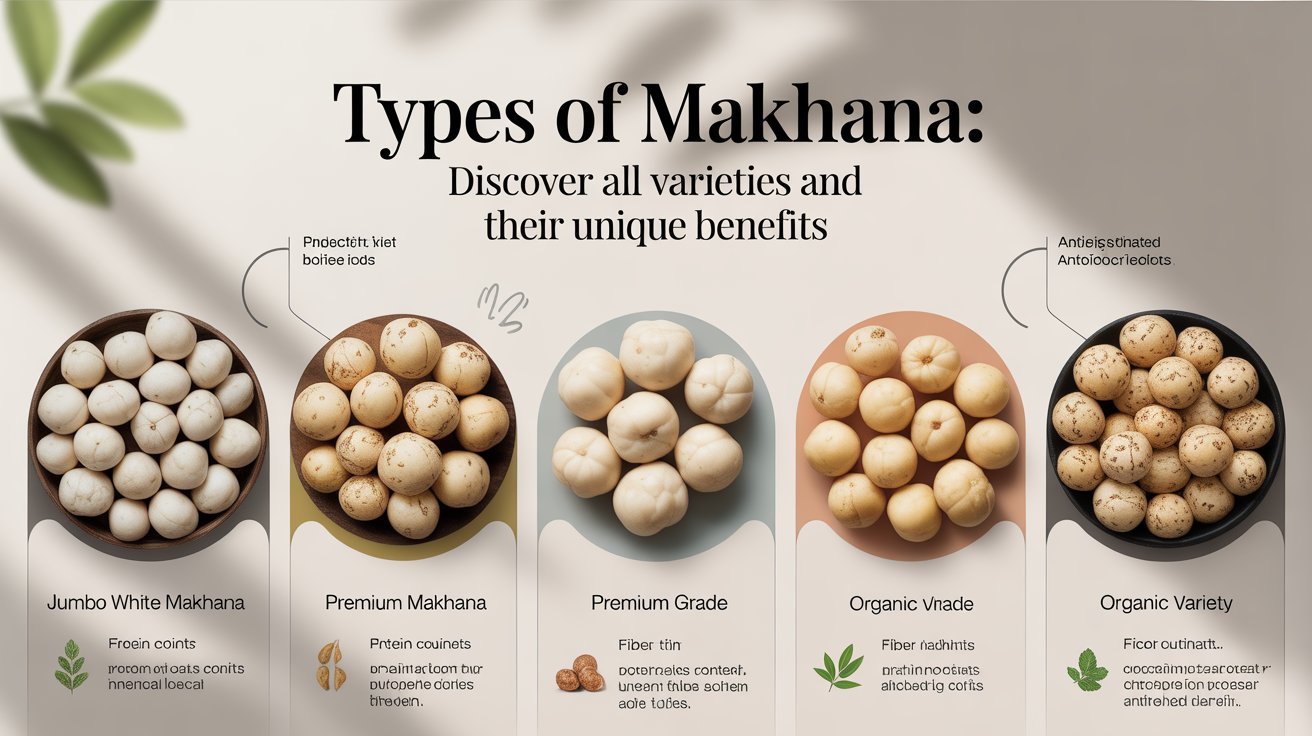
Makhana - also called fox nuts or lotus seeds - is a traditional Indian superfood that has been in our kitchens for generations.
There are different types of makhana, with the main differentiation being on size and texture (mini makhana, regular puffed makhana, and jumbo makhana).
While each makhana type has some differences in terms of its crunch, taste and cooking applications; they are all natural and good for you.
Each of these makhana types is packed with some great nutrition including protein, calcium, magnesium, and fiber.
Because they are light and easy to digest, as well as low in calories, these types of makhana can be a great option for kids and adults alike, as a snack and/or meal ingredient.
No matter if you're stuffing your face with roasted makhana, adding it as an ingredient to curry or using it to make sweets, each handful is a delicious way to nourish your body.
Introduction: Why You Should Include Makhana in Your Diet
Widely known as fox nuts or lotus seeds, makhana is a traditional superfood, and has been a staple in many Indian diets for centuries! Light weight, crunchy, and packed with nutrients, makhana is gaining recognition globally as a healthy, clean, plant-based snack.
It is gluten free naturally, low in calories, easy on the gastrointestinal system, and safe for infants to elderly (all ages!). When it comes to including makhana in your everyday meals and snacks, there are now different varieties of makhana available, making it easier than ever to incorporate these traditional ingredients into your diet.
What Is Makhana and Why It’s Gaining Global Attention
Makhana, traditionally cultivated in water bodies in Bihar and various eastern Indian states, are derived from seeds of the lotus flower. And as interest in whole foods and plant-based eating takes off, varieties of makhana are becoming recognized as healthier snack alternatives to processed convenience items.
Resulting from an increased interest from fitness enthusiasts to clean eaters, a growing number of people are experiencing the health-inducing crunchy delights that can enhance their health and wellness without sacrificing on taste.
The Nutritional Value Behind Different Types of Makhana
All kinds of makhana are rich in essential nutrients, including plant protein, fiber, iron, magnesium, and antioxidants. They are naturally low in fat, contain no cholesterol, and are easily digestible.
The various kinds of makhana—from mini to jumbo—have some variations in texture and taste; however, all makhana are nutritious and equally health-promoting.
How Makhana Types Fit into Modern Healthy Lifestyles
Makhana varieties are deliciously versatile, just as much roasted as a snack, cooked in curries, and blended into sweet desserts. They make a great food option for gluten-free, vegan, or low-calorie diets and have been recommended by many dietitians and nutritionists for weight control or being heart healthy and gut healthy.
With today's society of fast food and processed snacks, there is effective and healthy food value in adding various makhana varieties into your diet.
The Most Common and Popular Makhana Types You Should Know
Makhana is not a universally suited snack. There are various types of makhana, each with its texture, application, and nutritional properties. So, if you're seeking a light & flaky makhana to roast or a denser makhana for cooking, knowing the types of makhana can help when evaluating diets to suit your needs and taste.
Let's examine the most famous universally available makhana types found in Indian and worldwide supermarkets.
Phool Makhana (Puffed Lotus Seeds)
This is by far the most popular and easliy available form of makhana. Phool makhana, is made from puffed white lotus seeds that are lightweight, crunchy, and airy. This type is the result of roasting and popping hard lotus seeds into edible puffed balls.
Phool makhana is:
- Excellent to roast or spice for snacking
- Commonly used in fasts, on moksha days, and in the context of Ayurveda
- Easy digestible and rich in fiber
This single form of makhana is the most versatile of all kinds of makhana and can be eaten any day for healthy snacking or workday nutrition.
Mini vs Jumbo: Size-Based Makhana Types
Makhana comes in several different sizes, usually classified as Mini, Regular or Jumbo. Each size of makhana has its slight texture and use variation.

Most people prefer the jumbo makhana when roasting as they tend to have a crunchier and better appearance, whereas the mini makhana tends to blend better into curries or desserts.
Raw vs Roasted: Exploring Different Types of Makhana
In addition to size, makhana can also be categorized based on form – either raw or roasted makhana.
Raw makhana is in its raw, unprocessed state and has to be roasted or cooked before eating. Raw makhana is commonly included in main recipes, or made as a homemade snack.
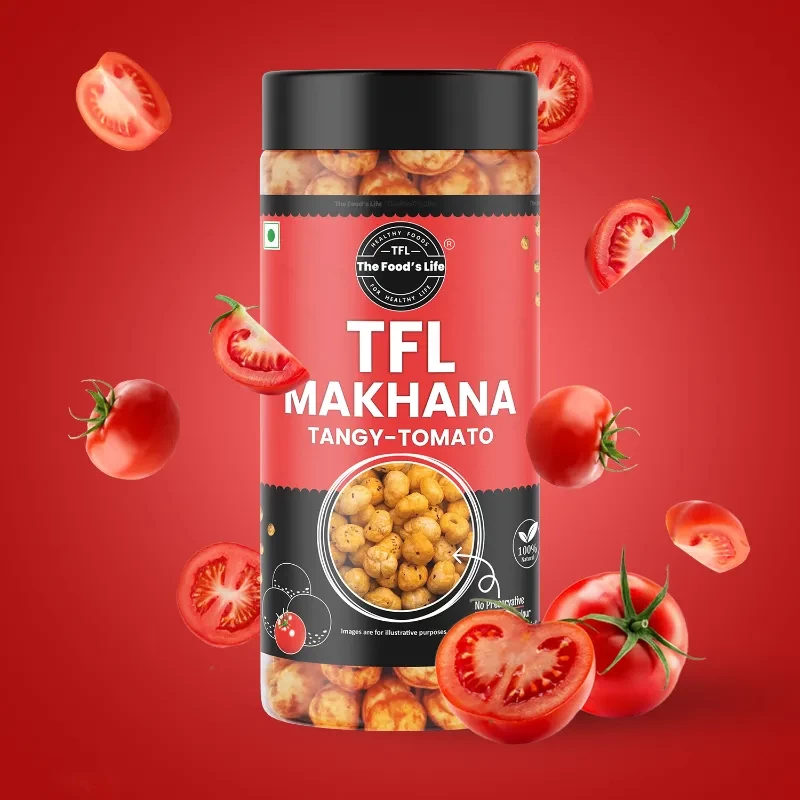
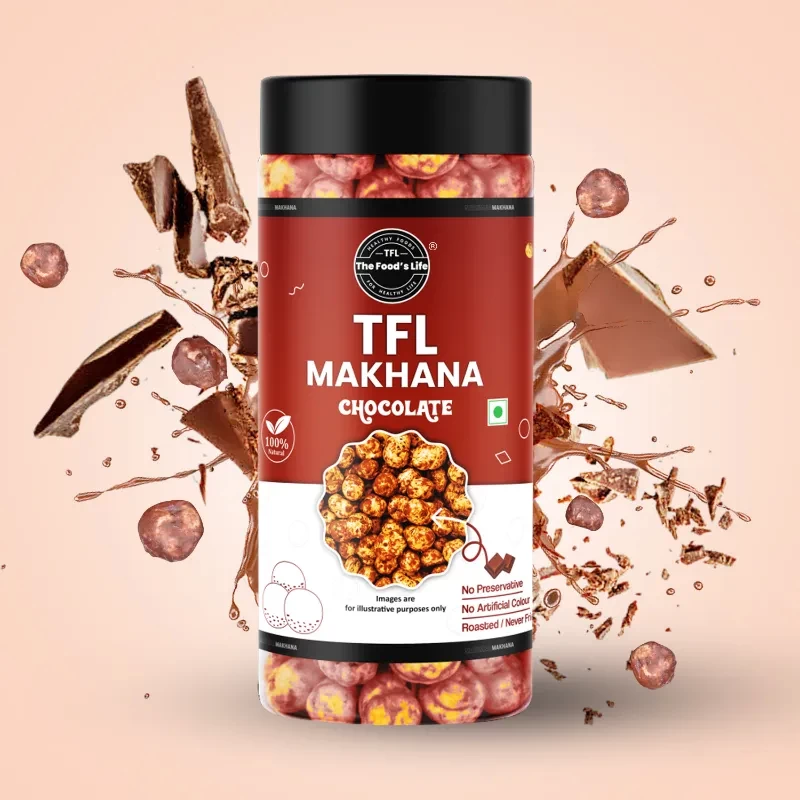
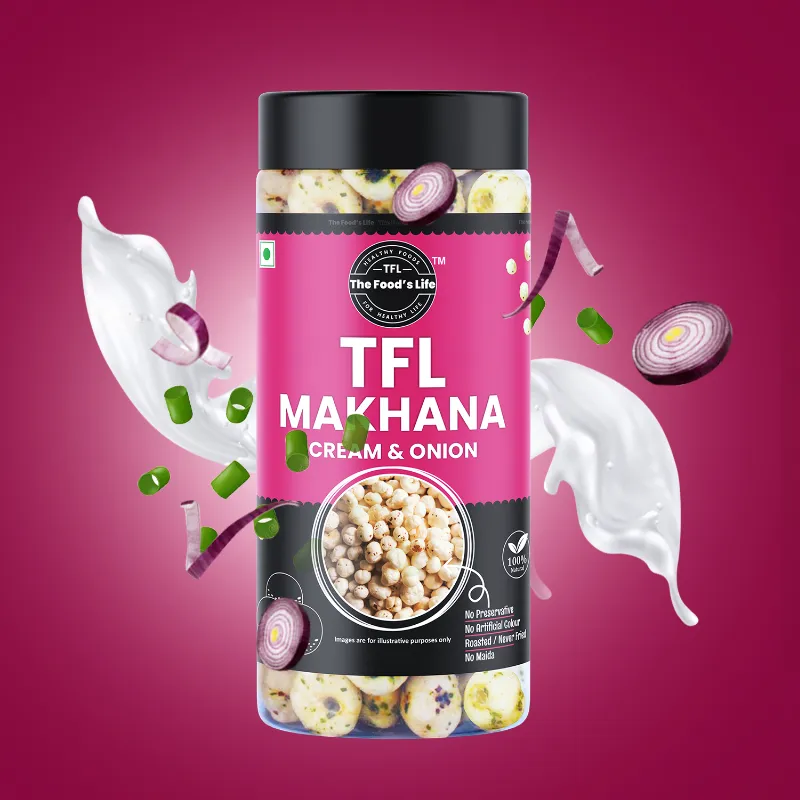
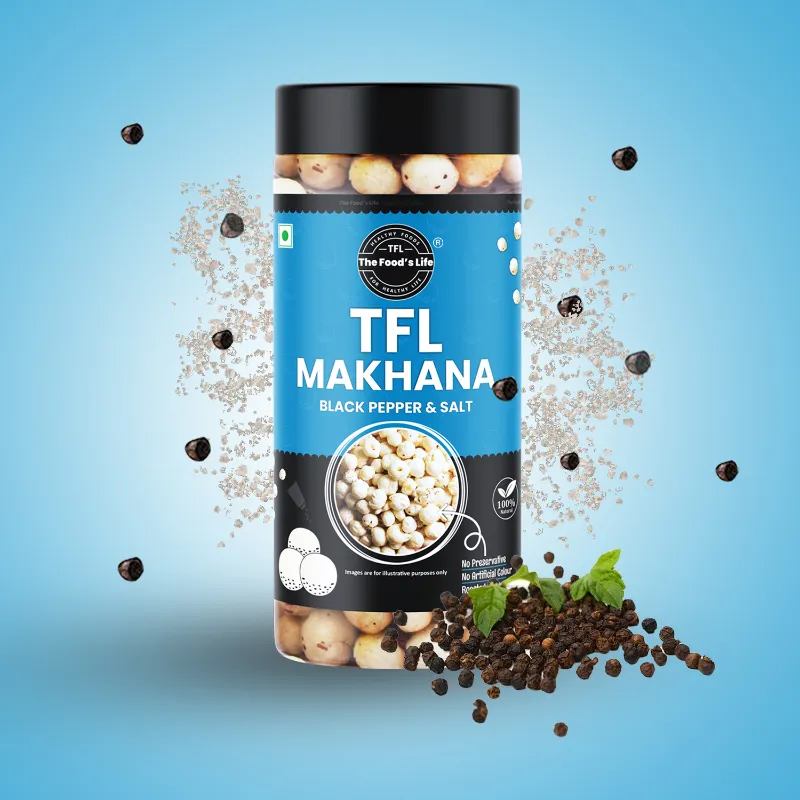
Conversely, roasted makhana can be opened and eaten right away, and can be found plain or flavored.

Depending on function, or scenario, you’ll have to determine which form of makhana you need if it is cooking, snacking or if you’re in a rush to prep makhana as a quick snack.
Nutrition Breakdown: What Each Type of Makhana Offers
Makhana is well known for being light, clean, and nutrient-rich. However, makhana can be found in different forms such as size (mini, jumbo) and preparation (raw, roasted), which means that the nutritional aspect can slightly differ according to size, preparation, and usage.
So, regardless if you are trying to gain muscle, lose weight, or improve gut health, nutrition knowledge of various makhana will empower you to make better decisions.
High-Protein Makhana Types for Fitness Goals
Overall, protein is, of course, important for muscle recovery (as well as lean body mass) and makhana types, especially roasted types or jumbo varieties, provide a nice source of plant-based protein per serving.
Jumbo phool makhana provides a light snack that is protein-rich when roasted, with 0g of trans fat:
The mini makhana can also be used in applications that add to a meal's protein content when paired with dals or milk.
✅ Tip: 30g of roasted makhana can provide up to 3g of protein, so it's helpful as a post-workout or mid-morning snack.
Low-Calorie and High-Fiber Benefits Across Varieties
Regardless of the size or preparation of the makhana, they are naturally low in calories and high in dietary fiber. This makes them particularly beneficial for individuals seeking to manage their weight or improve digestion
- Key benefits associated with fiber:
- Keeps you satisfied longer
- Helps to regulate digestion
- Reduces cravings between meals

Here’s how different types of makhana contribute to satiety and gut health: *Calories may vary depending on added spices, ghee, or flavorings.
Comparing Nutrient Profiles of Different Makhana Types

While all makhana types are nutrient-rich, the method of preparation and size can slightly influence the nutritional output. Below is a quick comparison:
Cooking with Confidence: How to Use Various Makhana Types in Meals
One of the best things about the different types of makhana is the versatility in different dishes. Whether you are choosing to roast for a quick snack, simmer in milk, or add savory curry or salad, makhana types work in every field of Indian and fusion cooking.
Knowing how to incorporate the different types of makhana into recipes can help you maximize their texture, flavor and nutrition.
Snacking with Roasted Makhana Types
Roasted makhana is one of the simplest and healthiest snacks you can prepare in under 5 minutes.
Jumbo makhana is perfect for roasting, thanks to its light, airy texture that turns extra crunchy.
You can roast them dry or with a touch of ghee, and season them with flavors like:
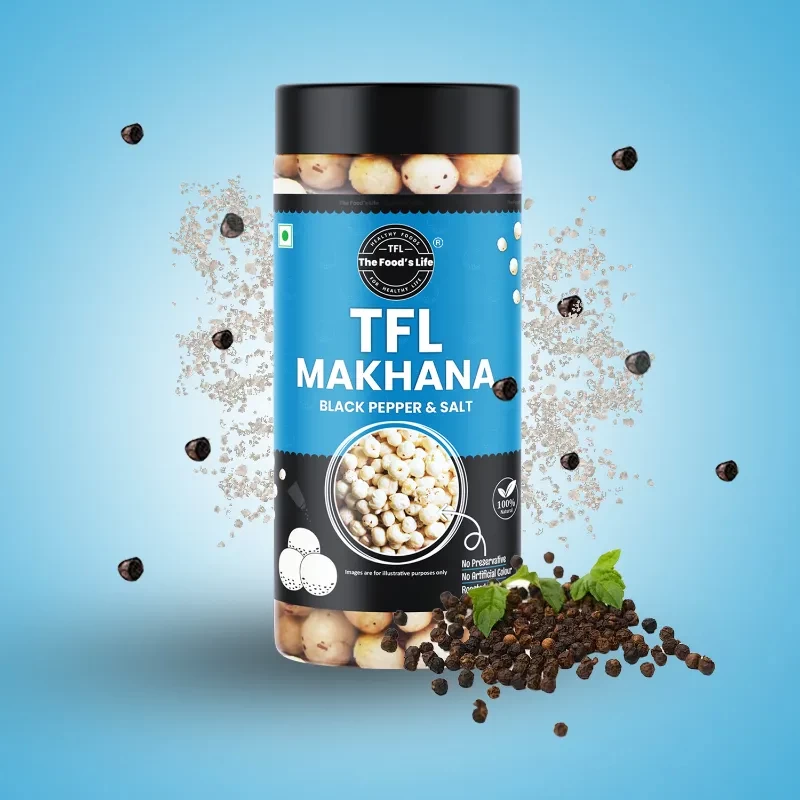
- Rock salt and pepper
- Turmeric and ajwain
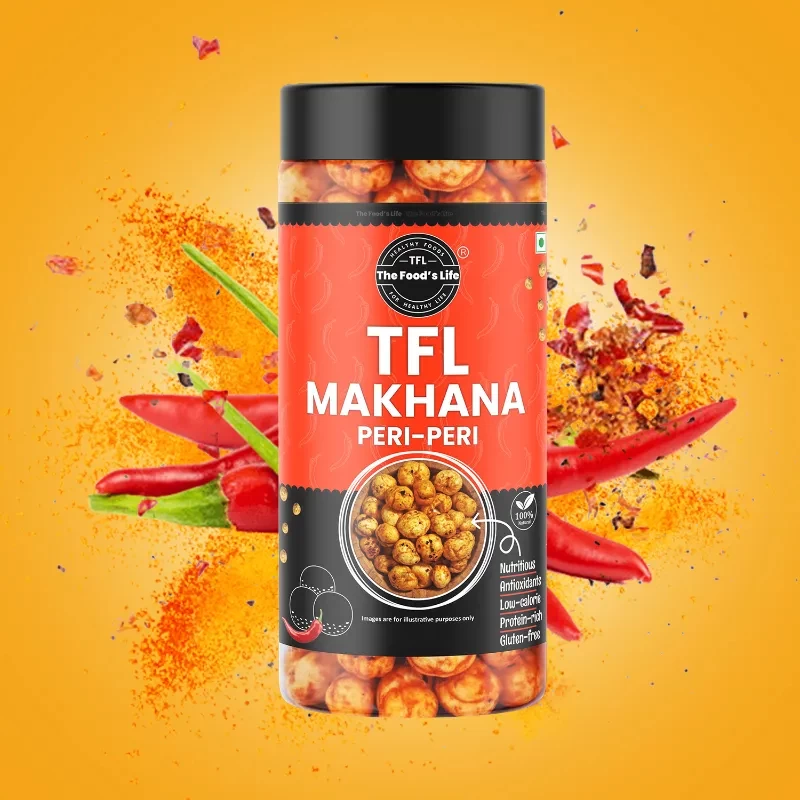
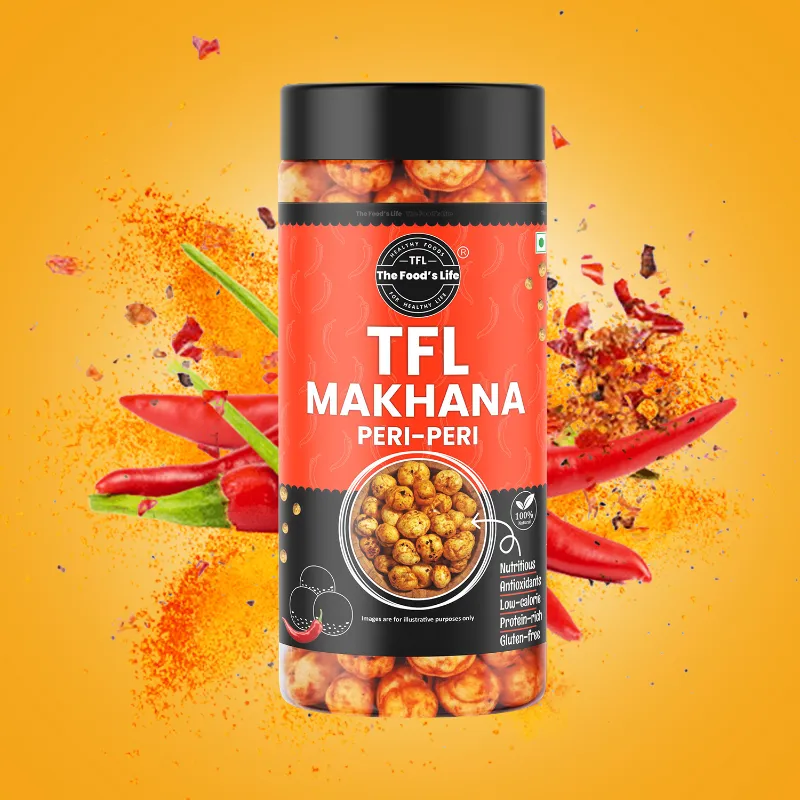
- Peri-peri or masala blends
Roasted makhana is ideal for weight-watchers, post-workout snacks, or tea-time munching.
Sweet Recipes Using Different Types of Makhana
Makhana is not limited to salty snacks--it is also a star in traditional Indian desserts.
- Makhana Kheer: A delectable dessert by cooking phool makhana in milk with cardamom and nuts.
- Makhana Laddoos: Makhana roasted and ground with jaggery, ghee and dry fruits.
- Caramel or Jaggery-Coated Makhana: An alternative to candy or toffee that is a bit healthier.
For kheer, use mini or regular-sized phool makhana as they soften quickly and absorb flavors.

Curry & Salad Additions with Phool Makhana
Phool makhana is also popularly incorporated into savory main dishes, and also used in fresh salads for a delicious crunch and added nutrition.
- Makhana Curry - Toasted makhana simmered in a rich tomato or cashew based gravy gives body and bite to your dish.
- Spinach Makhana Sabzi - Phool makhana works well with palak (spinach) making it a healthy iron-rich dish.
- Salads - Lightly roasted makhana can be added to chickpea, quinoa or lettuce salads for texture.
For curries or salads, remember to lightly roast the makhana first so they retain some firmness and flavour.

Makhana Types for Special Diets and Lifestyles
As healthy eating becomes more individualized, the attributes of makhana allow for a lot of adaptability to meet many different dietary needs. Gluten-free and vegan, keto and family friendly nutrition, the types of makhana can be handled appropriately for everyone - including toddlers and fitness individuals.
Understanding which types of makhana best support your unique dietary goals can help you make smarter snacks and feel more confident in the kitchen.
Gluten-Free, Vegan-Friendly Snack Choices
All forms of makhana - raw, roasted, and flavored - are gluten-free and 100% plant-based. Therefore, they are a safe and healthy snacking option for those with gluten-intolerance, celiac disease, or for those who are vegan.
- Plain roasted phool makhana is best used for making homemade vegan snacks.
- Simply make sure you avoid flavored versions that have dairy-seasonings (such as cheese or cream) if you're definitely 100% vegan.
- You can also partner them with hummus, tahini or your other plant-based dips for a clean, protein-packed snack.
- Affordable protein-packed plant based snacks.
✅Food intolerances: Gluten intolerance / Celic disease, diet preferences: plant-based, clean eating.
Makhana Types That Work in Keto and Low-Carb Plans
For those following keto or low-carb diets, types of makhana like roasted jumbo makhana can be included in moderation.
- While not extremely low in carbs, makhana has a low glycemic index, making it a smart occasional option for keto followers.
- Best used as a crunchy topping for low-carb salads or mixed with nuts for a keto-friendly trail mix.

➡️ Portion control is key—use makhana strategically in place of traditional carb snacks.
Allergen-Friendly Options for Kids and Families
Makhana is among a few snacks that are naturally nut-free, gluten-free, and non-dairy. It is a great allergen-safe choice for school lunches and home snacks.
- Mini or regular phool makhana are easy to digest, even by toddlers or elderly family members.
- If my kids are teething or sick, I offer them plain roasted makhana for a very light snack that won't upset their stomachs.
- Can be made sweet (with jaggery) or savory (with ghee and mild spices) for kids.

✅ Pro Tip: Always roast makhana fresh for babies or toddlers to ensure maximum freshness and safety.
The Eco-Impact: How Growing Different Types of Makhana Supports Sustainability
Makhana isn't just healthy for you—it is good for the planet, too! The growing and eating of all forms of makhana are closely aligned with sustainable agriculture, clean eating, and eco-friendly food choices. Whether you are eating mini, jumbo, or flavored makhana, each product is contributing to a healthier planet.
Let’s take a look at each kind of makhana that is working toward planet and community health through its traditions of production and its sustainable qualities.
Traditional Pond Farming for Eco-Friendly Cultivation
Makhana is grown using an ancient method called pond or wetland farming, primarily found in Bihar and parts of Eastern India. This system is based on water, allowing for biodiversity in a relatively chemical-free way of growing food, making it much more environmentally friendly than many industrial crops.
Some of the environmentally friendly attributes of makhana farming:
- Grown in natural ponds - there is no artificial irrigation involved
- No or limited use of pesticides or synthetic fertilizers
- Makhana is in support of improved traditional and organic farming

✅ Result: A low-impact crop that nurtures nature while nourishing people.
Why Makhana Farming is Good for Rural Economies
Not only is the cultivation and consumption of makhana sustainable, it, along with gooseberries, represents a dignified, consistent livelihood for thousands of farmers in rural India, where the growing conditions, particularly in flood-prone or waterlogged districts, are often unsuitable for conventional agriculture.
Most species of makhana continue to be harvested and processed by hand, thus creating direct employment for rural workers across the entire makhana supply chain, from cultivating, to cleaning, to packaging.
Moreover, women are typically involved in the post-harvest processing phase of makhana, and their contribution represents a significant source of women-led income-generation and empowerment at the village level.
✅ When you buy makhana, you are supporting small farmers and keeping local and indigenous knowledge alive everywhere.
Environmental Benefits of Choosing Plant-Based Snacks
Opting for types of makhana instead of packaged and processed snacks is not only good for your body; it's also a better option for our planet.
Here's how:
- Plant-based snacks, such as makhana, emit less greenhouse gases than snacks derived from meat- or dairy.
- Because makhana snacks generally require minimal packaging, especially if you purchase them in bulk or from eco-friendly brands.
- They use less energy to process, store and/or transport.
To sum up, whether you are snacking for your own health or for the planet, many varieties of makhana tick all the sustainable living boxes!
FAQs
Q1 What are the most common types of makhana?
The most common types of makhana are Phool Makhana (puffed), Raw Makhana (unpopped seeds), and size-based types like Mini, Regular, and Jumbo Makhana.
Q2 Do different types of makhana offer different health benefits?
All makhana types are rich in nutrients, but slight differences in size and preparation (raw, roasted, flavored) may affect their fiber, calorie, and protein content.
Q3 Which makhana type is best for roasting?
Jumbo phool makhana is best for roasting due to its large size and crispy texture after cooking.
Q4 Which makhana type is best for snacking?
Roasted phool makhana, especially in regular or jumbo size, is perfect for healthy snacking with minimal seasoning.
Q5 Can I use different makhana types in cooking?
Yes! Mini or regular makhana is ideal for kheer, curries, and salads, while raw makhana can be used in dishes after proper roasting or soaking.
Conclusion: Embrace the Variety of Makhana Types for Better Health and Taste
From the daily snack habit to the dessert phenomenon to recipes that connect with a holiday spirit, the types of makhana come packed with nutrition, flavor, and versatility. Whether consuming them roasted, in a dessert, or adding them to a savory dish, types of makhana offer something special to every meal.
When choosing between the many types of makhana (mini, jumbo, raw, flavored, etc.), find a type that fits your specific health goals, such as weight management, heart health, or clean eating. Makhana is also cultivated using eco-friendly methods and an allergen-safe profile, so it can be a responsible choice for families and individuals.
So—dive into the world of makhana, try it out in your kitchen, and embrace the healthy goodness makhana can bring to your daily lifestyle. Your body, (and your taste buds), will be grateful!





 +91 63528 07509
 sales@thefoodslife.com
 225, Orchid Plaza, Sama-Savli Rd, behind McDonald's, Vemali, Vadodara, Gujarat 390008