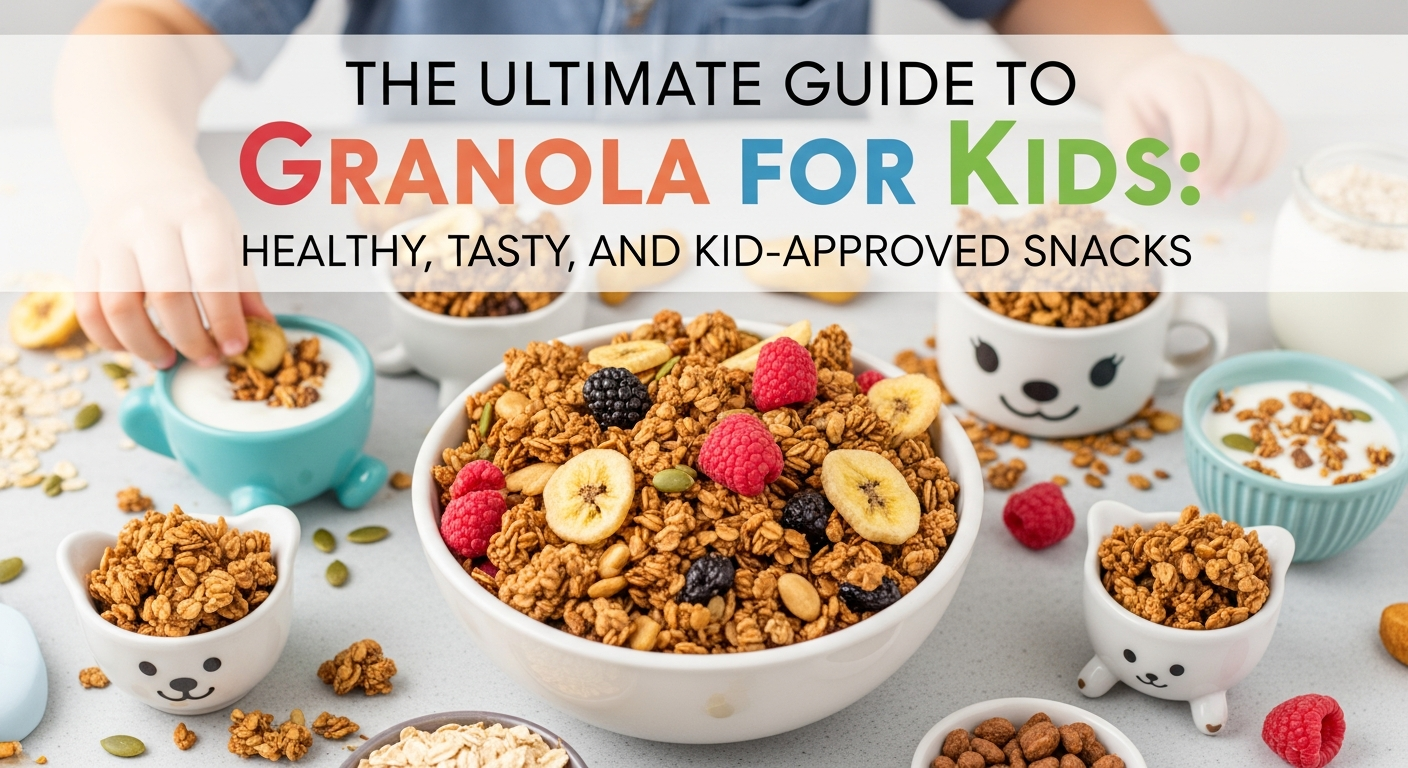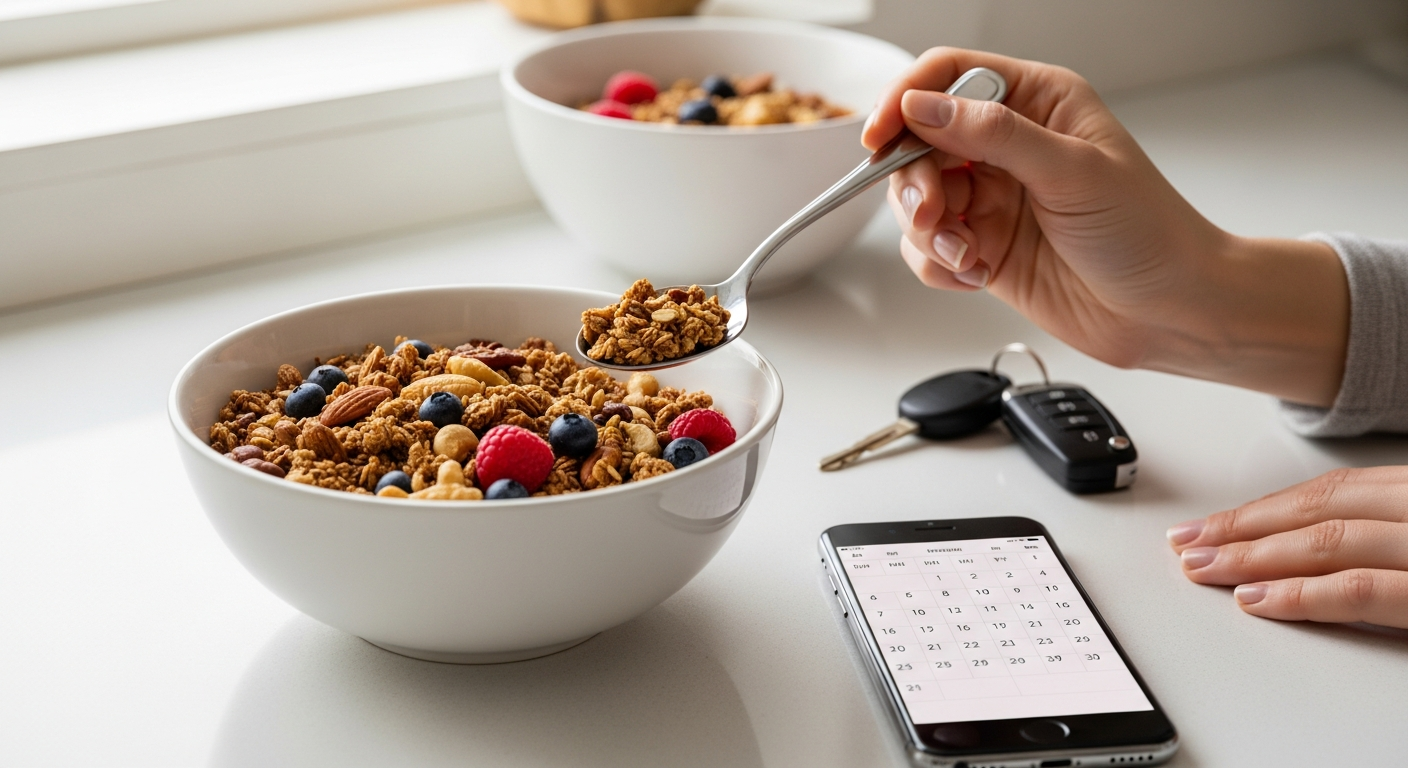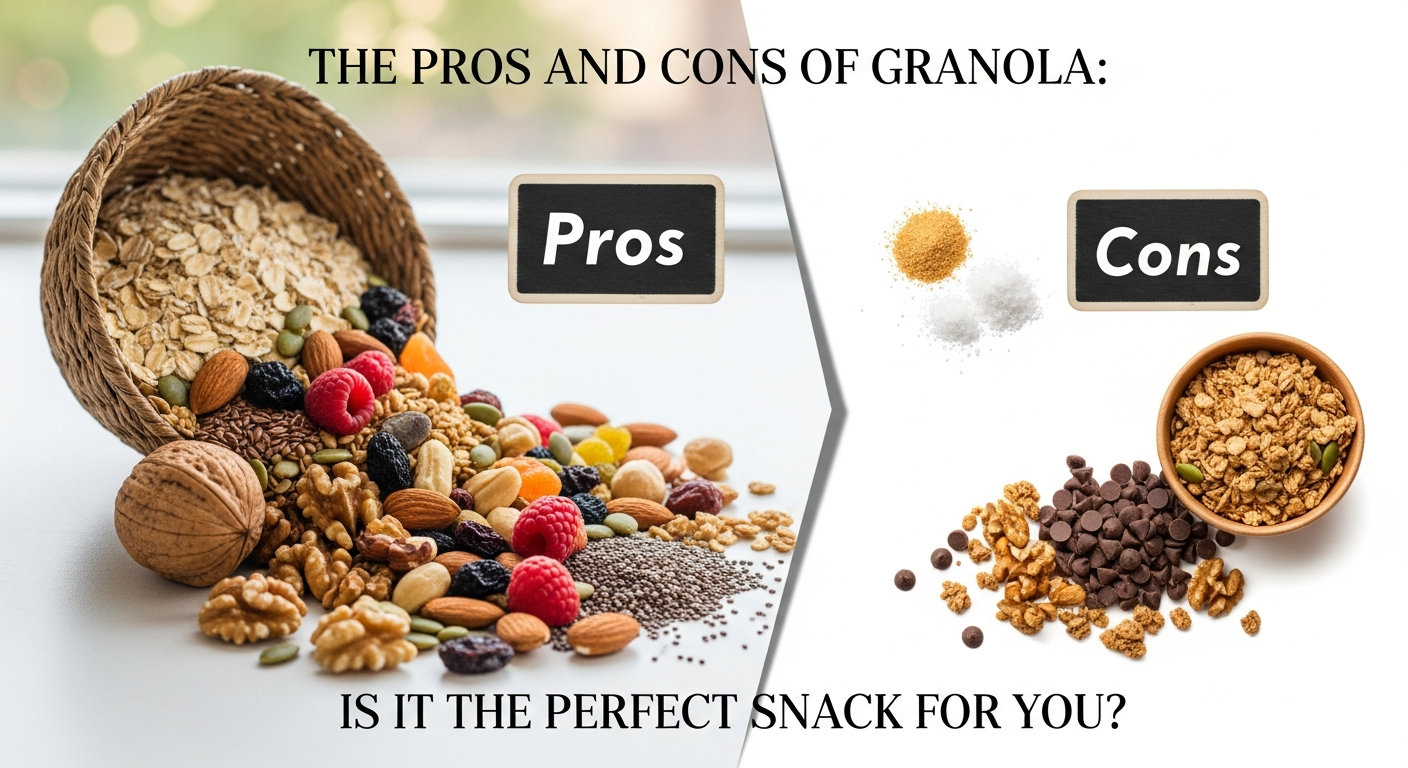
Granola has become a favorite option for breakfast and snack lovers alike across the globe due to its crunchy texture and wholesome combination of oats, nuts (including almonds) and seeds (such as pumpkin), as well as natural sweetening.
Granola is high in fiber, healthy fats, protein and complex carbohydrates, which provide sustained energy, assist with digestion and create a very satisfying meal option.
Many people consider granola a “basic” breakfast item, however there are many unique aspects of granola that make it a very valuable food. Granola has a long and rich history, its origins to its many health benefits.
Whether you prefer crunchy clusters or soft mixtures, or the latest granola cereal combination, a serving of granola is more than simply tasty, it is nourishing, convenient and filled with wholesome goodness that fits in today’s busy lifestyle.
The Origins and History of Granola
Granola has evolved from being a very simple health-conscious food used in the 1800s to the present as an immensely popular breakfast food worldwide. The history of granola cereal is filled with exciting information, including that it was first invented as a health food rather than a grain-based food.
Granola has drastically changed in terms of ingredients, method of preparation, and flavour throughout the years; today, they have become a standard part of many people's daily diet.
How Granola Started as a Health Food
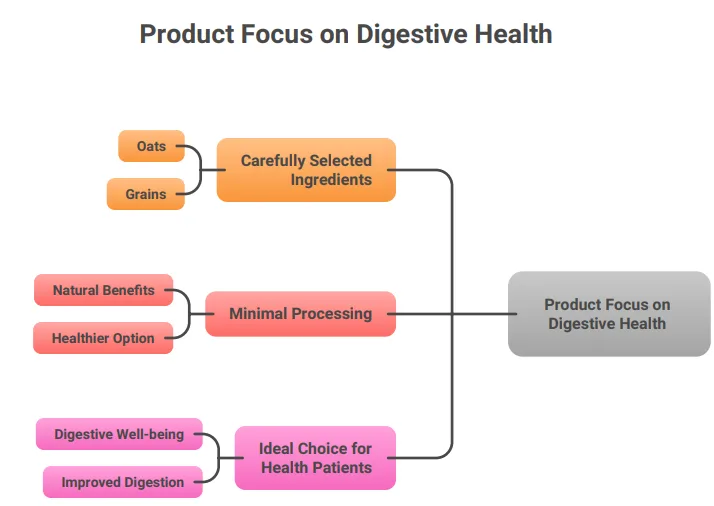
Granola was created as a health product to help with digestion, health and general well-being. When first developed, granola was mainly viewed in terms of nutrition and not for taste or ease of use.
- Made from whole grains → contained oats and cereals as the primary ingredient
- Supports the digestive system → easy to digest
- Has a natural composition → produced naturally without a lot of processing
- Has clinical usage → utilized in health-related institutions.
Who Invented Granola and Why
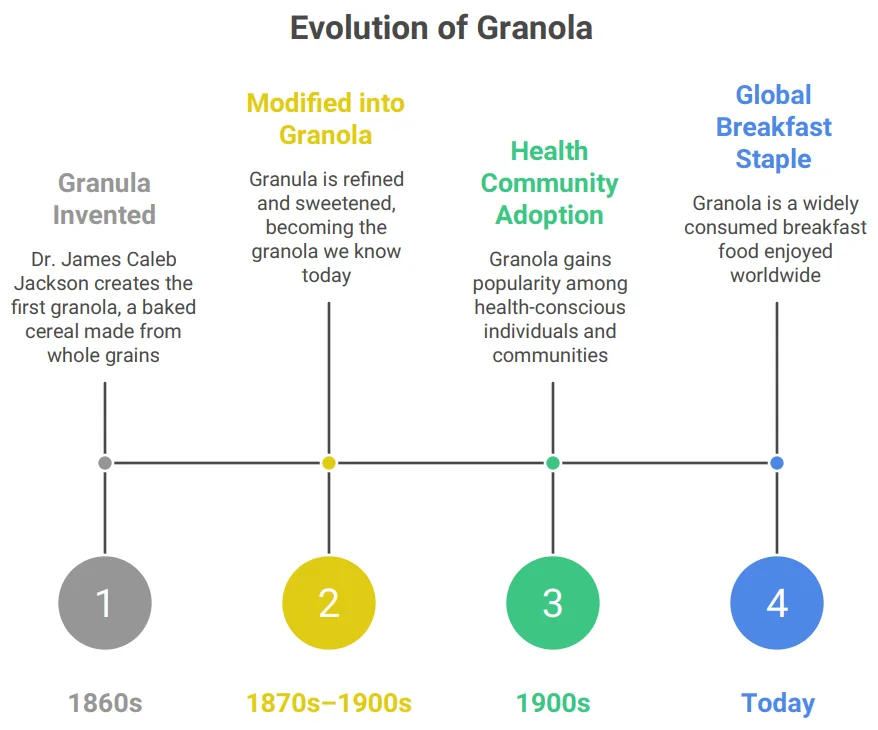
Dr. James Caleb Jackson created granola in the 1860s with the intention of encouraging better diets and lowering reliance on processed food.
- Originally called 'granula' - very hard
- needed to be soaked before eaten - developed as a means of providing a plant-based diet
- later modified to be more flavorful and easy to use.
Evolution from Traditional to Modern Granola
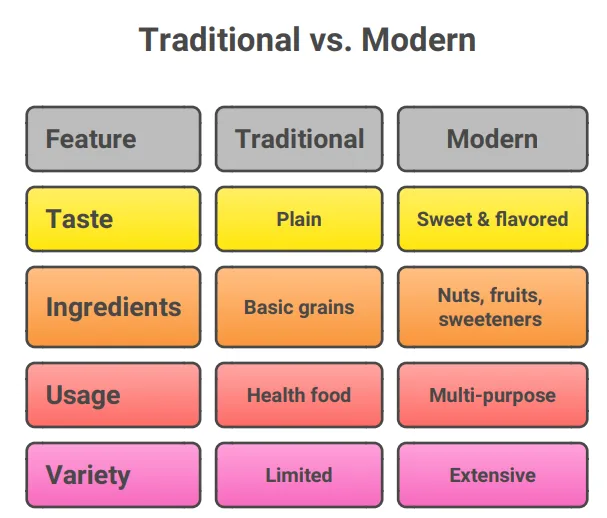
Granola has evolved a lot since then,today it is much more flavorful and convenient, and you can find it virtually anywhere.
Then (Traditional Granola):
- Plain taste without any sweetness
- Very few ingredients, mostly grains
- Only concerned with health benefits
Now (Modern Granola):
- There are many different flavors of granola (chocolate, fruit, etc.)
- There are many different kinds of nuts, seeds, and sweeteners added to granola
- It can be eaten as breakfast, snack, or added to other food (e.g., yogurt, ice cream, etc.)
What’s Really Inside Your Granola? Key Ingredients Explained
Although granola is a simple-looking blend of products, it contains multiple ingredients that combine to provide flavor, texture, and nutrition. Knowing the ingredients that make up granola cereal can help you learn valuable information regarding granola and enable you to pick healthier options.
Each part of granola contributes significantly to its nutritional value and quality, from whole grains to sweeteners to the additional ingredients.
Oats, Nuts, and Seeds: The Core Components
The first thing you should know about granola is how to use great ingredients to create an excellent product packed with nutrients that give you both energy and stability within your daily routine.
The foundational ingredients of granola are what causes granola to be such an excellent source of energy, satiety and health for daily use.
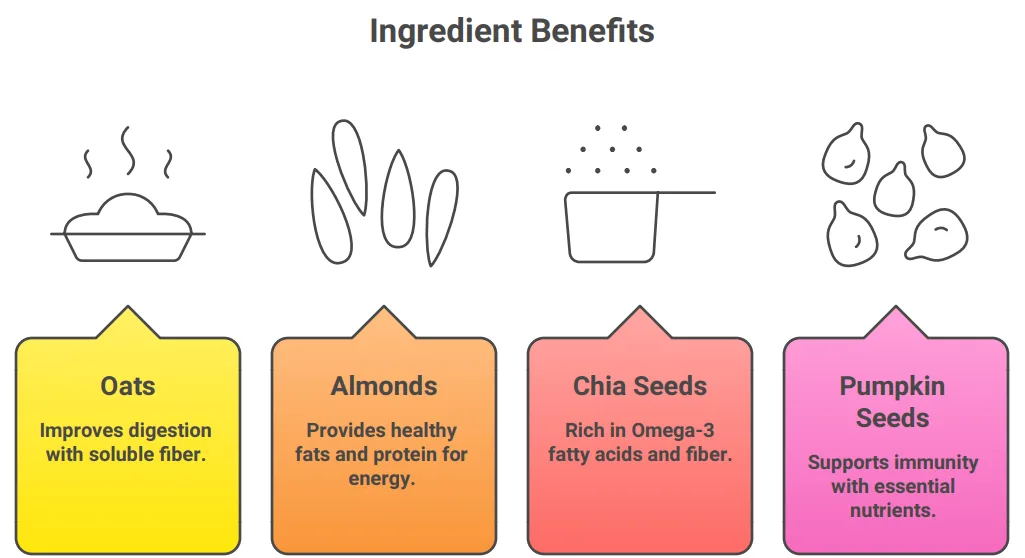
- Oats → high in fibre to help digestion
- Nuts → provide good fats and protein
- Seeds → loaded with minerals and omega nutrients
- Whole grains → provide sustained energy
Natural Sweeteners and Their Role
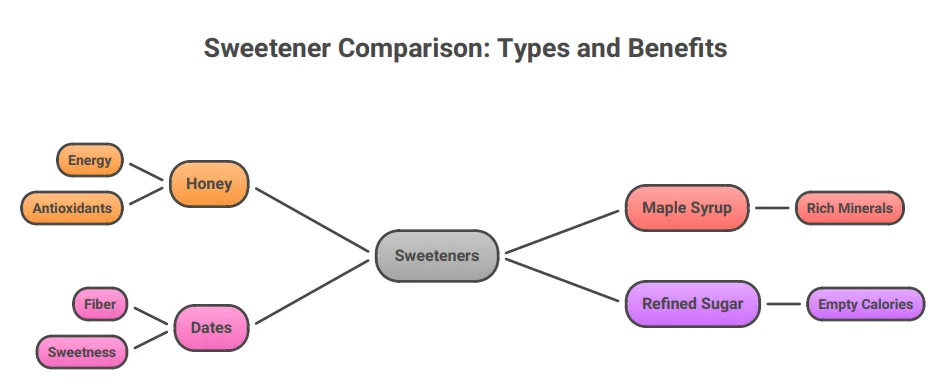
Sweeteners do provide taste but also provide a binding effect and a crunchy texture that makes granola cereal pleasing. The sweetener used plays a key role in the result.
Most Common Sweetener Types:
- Natural (honey) and lightly sweet
- Maple syrup (rich flavor/many minerals)
- Date (high in fibers) natural sweetness
- Jaggery (traditional) less processed
Healthy vs. Processed Ingredients in Granola
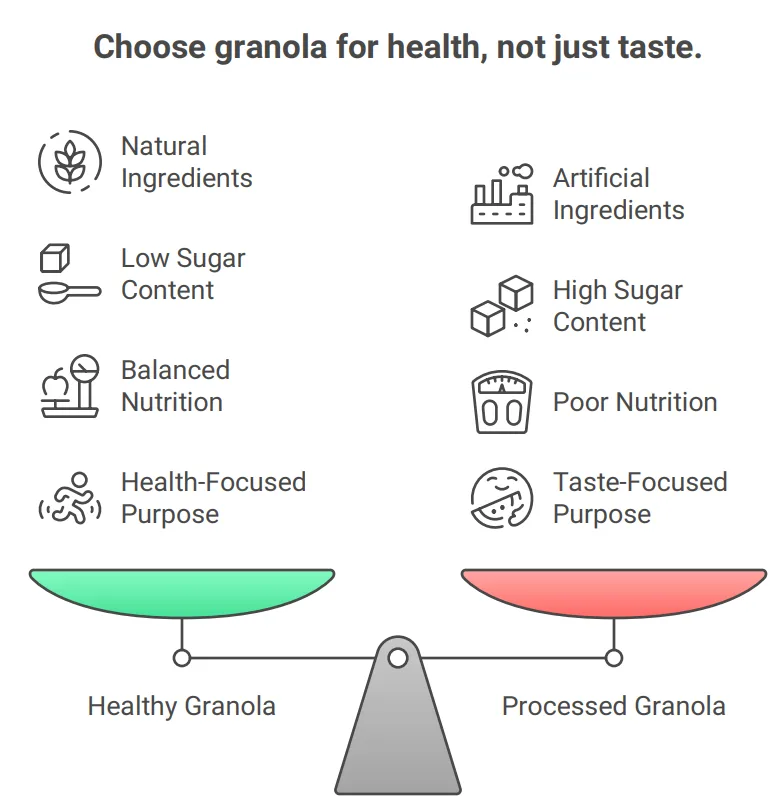
Granola isn't the same across the board; therefore, some are healthier than others depending on the types of ingredients used to make them. Most commercially-prepared granolas are made with different types of processed foods, which provide less nutrition than whole foods.
Healthy granola usually has:
- Whole grains and natural ingredients
- Little processing
- Balanced sugar and oil content
Processed granola usually has:
- Refined sugars and oils
- Artificial flavors and/or preservatives
- Many calories, yet little nutrition
Health Benefits Backed by Science
Not only is granola a practical option for breakfast, but it also contains many health benefits based on scientific data that demonstrate how the components of this food strengthen your body in many ways. Granola contains high levels of both fiber and healthy fats, significant amounts of protein and heart-healthy micronutrients, depending on how it is produced.
In addition to being nutritious and full of fiber, granola has proven benefits associated with digestion, providing a source of sustained energy and promoting overall health for the long term. Eating granola as part of a balanced daily diet can provide you with positive health benefits if done so in moderation.
Fiber Content and Digestive Benefits
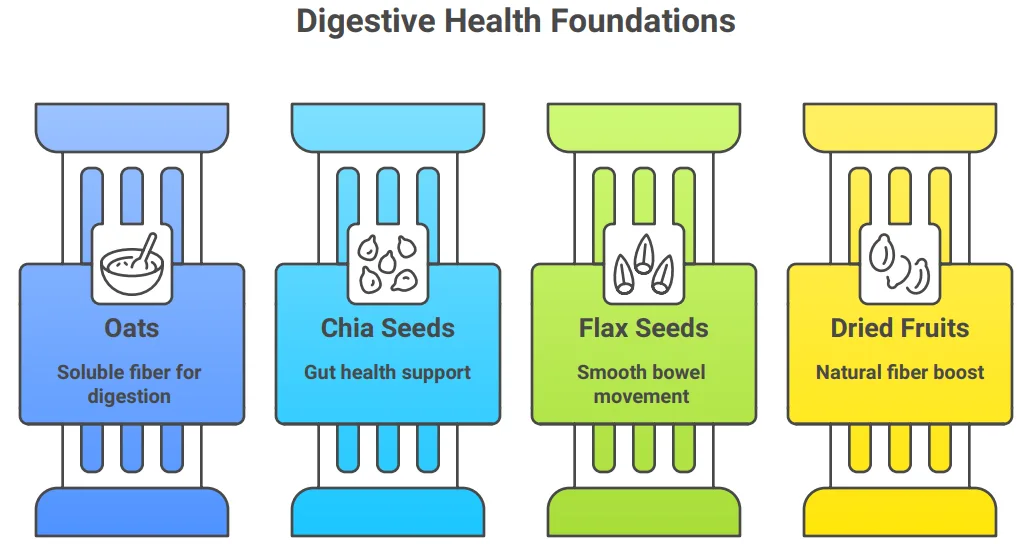
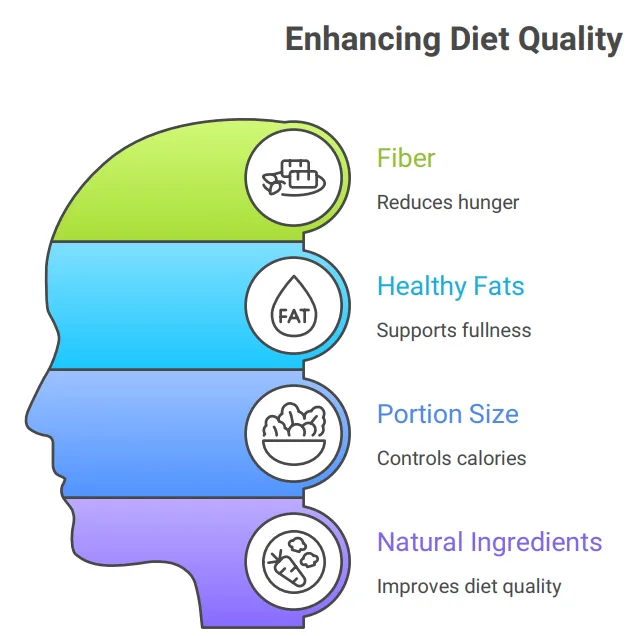
Granola has a lot of fibre that is derived mostly from oats, seeds, and dried fruit. This source of fibre is important for a healthy digestive tract.
Not only does fibre provide basic benefits, it works in a variety of ways within your body:
- It slows down digestion; therefore, keeps you more satisfied for longer.
- It provides food for the beneficial bacteria in your gut; therefore, improving your overall gut health.
- It regulates how fast sugar enters your bloodstream; therefore, providing a more constant and stable source of energy.
- It assists with bowel movements; therefore, preventing constipation.
Protein and Healthy Fats for Energy
Granola contains the perfect blend of both proteins and healthy fats which serve to provide your body with energy. These nutrients are important for sustaining your energy all day long.
Let’s look at how each of these things works:
- Protein → Aids in the repair of muscle and keeps you satisfied longer.
- Healthy Fats → Gives you long-lasting fuel and supports cognitive function.
Where do these ingredients come from?
- Nuts (e.g. almond and peanut)
- Seeds (e.g. pumpkin and sunflower)
- Coconut flakes and healthy oils
Vitamins, Minerals, and Antioxidants
Granola contains many important vitamins and minerals for your immune system, metabolism, and bodily functions. These vitamins and minerals are derived naturally from the whole food ingredients that granola is made of.
Some of the vitamins and minerals that granola provides are:
- Iron → Helps make red blood cells and transport oxygen to the body
- Magnesium → Assists your muscles and nerves to function properly
- Zinc → Helps support your immune system
- Antioxidants → Assist in protecting your cells from damage
Common Misconceptions About Granola Debunked
Granola has been known to be labeled as a "healthy food," however there are a lot of myths regarding granola's actual nutritional value. Some individuals may avoid eating granola for fear of gaining weight or think that all granola cereal is healthy.
The actual truth about granola will be determined by the types of ingredients used, the serving size consumed, and the method in which it is used. Busting the common myths regarding granola will help you make better choices about using it in a healthy and balanced manner.
Is Granola Fattening?
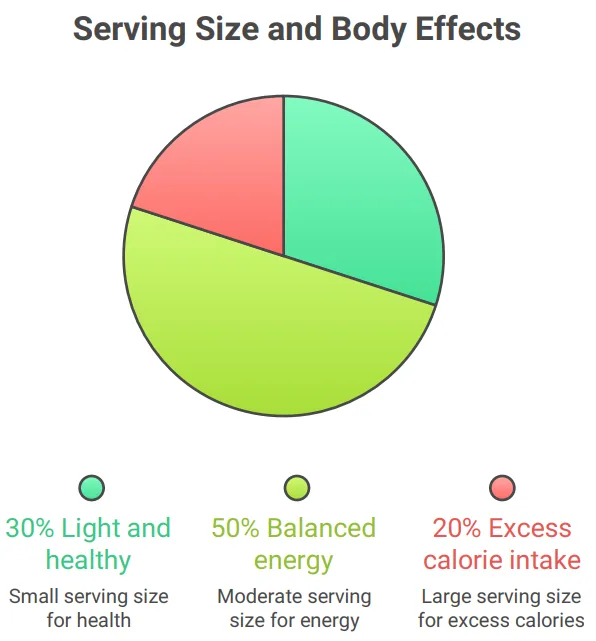
Even though granola can have a lot of calories, it doesn’t necessarily contribute to weight gain. The amount of granola consumed on a daily basis is how we should measure the impact that it has had on our weight.
Let's explain this myth:
- When consumed in small amounts, it will help you feel full and decrease cravings;
- When consumed in moderate amounts, it will create a balance in your daily energy intake;
- When consumed in large amounts, it contributes to an overdosing of calories, which would therefore create more calories than could be safely used.
Sugar Content Myths in Granola
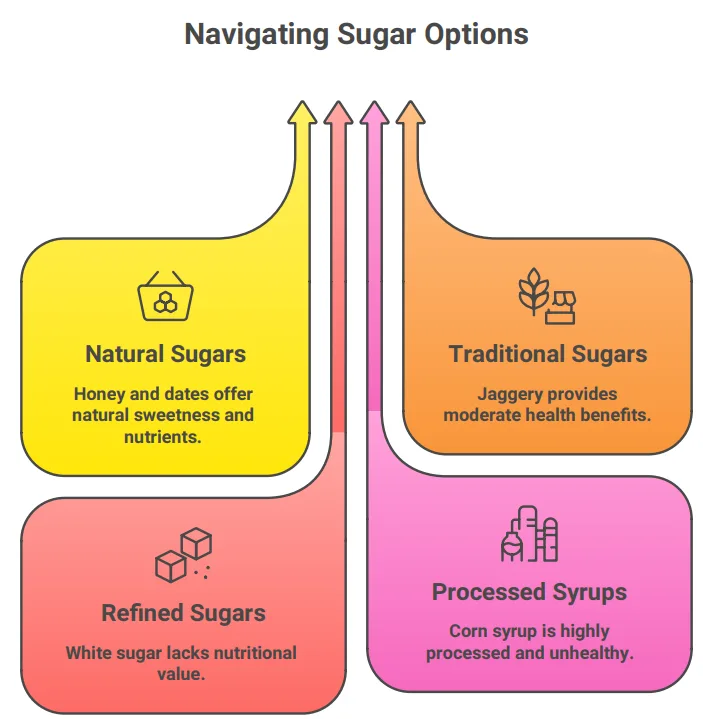
Many people believe that granola is high in sugar, which can be true depending upon the type of sweetener used.
It is also more important to realize that sugar can come from several sources:
- Natural sources (honey, dates) provide vitamins and minerals as well as sweetness.
- Refined sugars give you calories without providing any nutrients.
- Syrups and other additives provide little or no nutritional value and increase the number of steps in processing.
Is All Granola Healthy?
There are misconceptions about whether granola provides the same health benefits that granola does not provide; the distinction comes down to how the granola is manufactured and what ingredients are used in making the granola.
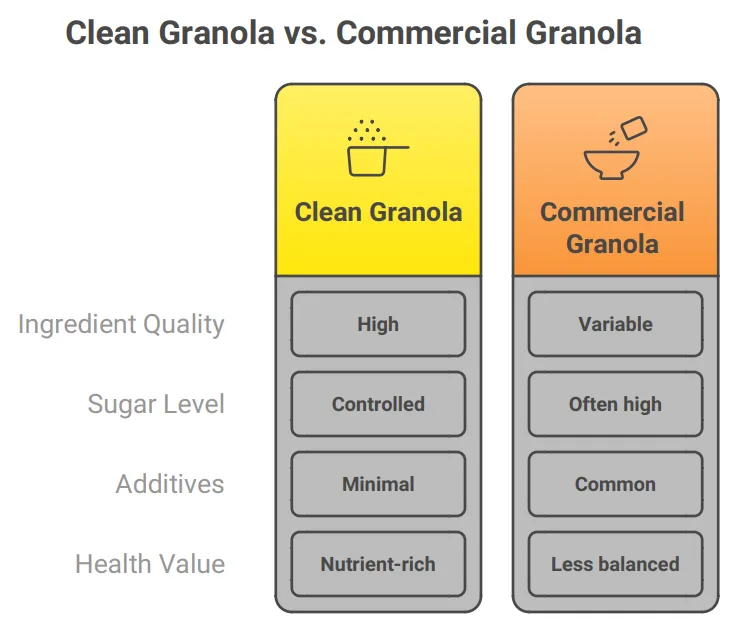
There are 2 types of granola that you will encounter:
Clean Granola - A Better Choice
- Uses whole grains and natural ingredients
- Does not go through minimal processing
- Has a balance of nutrients
Commercial Granola - A Less Ideal Choice
- Uses refined oils and sugars
- Uses preservatives or additives
- It is more about taste than healthy nutrition.
Enjoying this read? Get more like it.
Get fresh snack inspiration and updates from our team.
Granola Varieties Around the World
Granola has become an internationally popular food with a variety of different styles or types depending on where you are from or what type of dietary habits you have. The styles of granola cereal have been so diverse that you will find gourmet granola blends and those that focus more on being "healthy" than "gourmet".
Granola has adapted to every culture in interesting ways and therefore means that it can be eaten anytime throughout the day, whether it's at breakfast, as a snack or even dessert! Flavoured, vegan, homemade...Regardless of your preference, everyone is able to find granola that will suit their needs.
Flavored and Artisanal Granolas
The granola we once knew as a basic cereal product has come a long way through the explosion of different flavors and artisan produced granola products. These granolas all have a unique flavor profile and are made with higher quality and more interesting ingredients.
Instead of putting together a handful of different ingredients to create a granola, these granolas have been developed with different flavor profiles:
- Dessert Flavors: chocolate, caramel, and vanilla
- Fruit Flavors: berry, apple cinnamon, and tropical fruit
- Nut Flavors: almond, cashew and peanut butter
- Gourmet/Flavorful combinations: dark chocolate sea salt + honey roasted.
Gluten-Free and Vegan Granola Options
Granola has evolved over time to meet today’s dietary requirements and to provide options for people with special dietary needs. Here are a few examples of how granola has adapted to different categories of special diets:
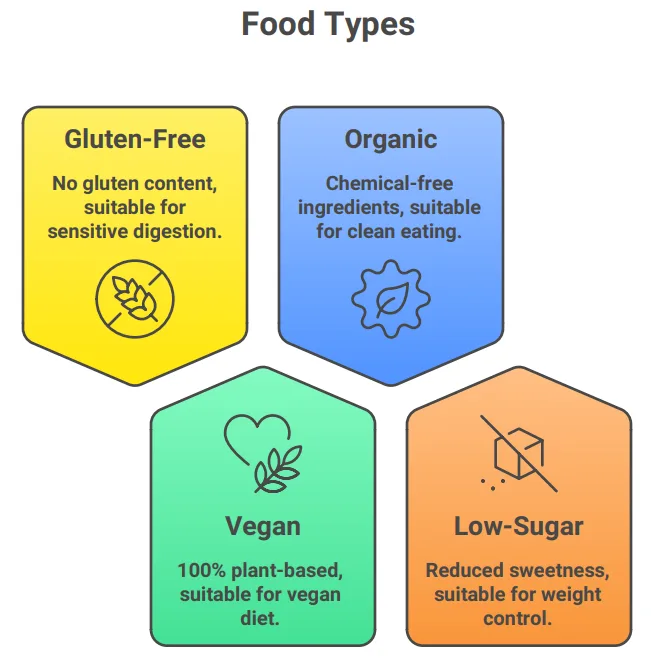
Gluten-Free Granola:
- Uses gluten-free oats that are certified as gluten-free
- Good choice for individuals who are gluten intolerant
- Digests easier for individuals with sensitive stomachs
Vegan Granola:
- Does not contain any honey or other animal-based foods
- Uses only plant-based sweeteners such as maple syrup
- Meets the requirements of individuals who follow a vegan lifestyle and also meet
- the requirements of individuals who follow a clean-eating lifestyle.
Homemade vs. Store-Bought Granola
Granola is something that can be made at home or purchased from your local grocery store, both of which will have different experiences related to nutrition, convenience and taste.
Homemade Granola:
- Total control of the ingredients
- Less sugar and healthier oils than store-bought granola
- Made fresh and can be customized
Store-Bought Granola:
- Convenience (ready to eat)
- Longer shelf life than homemade
- Many flavour options available
The Role of Granola in Modern Diets
The busy lives we live today have resulted in the need for a food that is both healthy and convenient to eat; therefore, granola has become a very popular way to meet those requirements as the versatility of granola fits into today's modern eating patterns. Granola cereal can be used as either breakfast or as a quick snack, but it still contains a good balance of nutrients that can provide energy throughout the day.
Many different facts about granola indicate that granola can be modified in a number of ways, depending on the person's health goals, whether they are looking to lose weight or maintain an active lifestyle. As such, granola is now a great addition to the current diet and to provide nutritious options.
Granola for Weight Management
Energy-Boosting Benefits of Granola
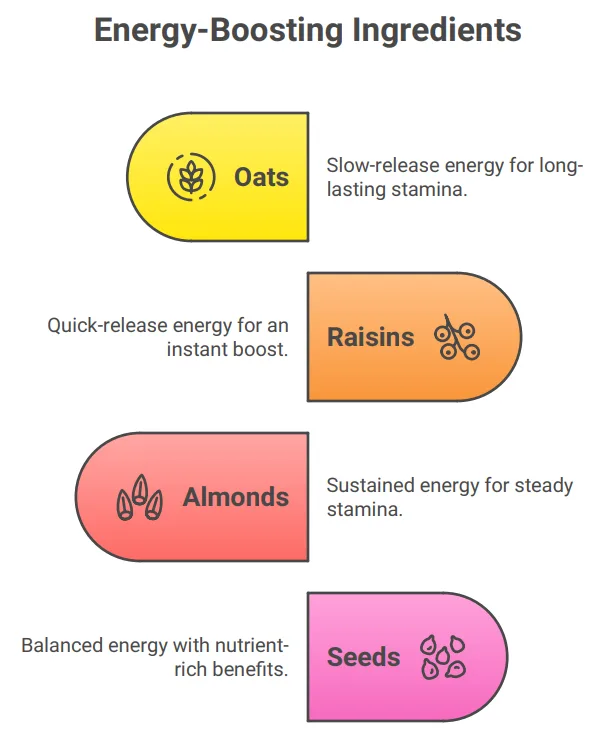
In terms of energy content, granola can provide a good source of energy and is considered perfect for those on-the-go mornings, workout sessions, as well as those working long hours at work because the energy system of granola works like this:
- Slow Energy - because of the slow/gradual energy release of oats, eventually you will find yourself very energetic.
- Fast Energy - dried fruits give you fast/easy instant energy.
- Sustained Energy - nuts and seeds will give you continual sustained energy.
Low-Calorie and Balanced Meal Options
You can add granola as a part of a balanced meal. Just keep in mind the calorie count depends on what you pair with your granola.
Some examples of good pairings with granola include:
- Granola and yogurt = protein-filled breakfast
- Granola and fruits = nutritious snack
- Granola and milk = complete meal
- Granola as a topping will add to any smoothie/bowl.
How to Choose the Best Granola for Your Health Goals
There are many different types of granola. It can be really hard to know which one will be best for you. Granolas aren't all created equal so it's important to look at your goals such as losing weight, eating clean, or added energy when looking for the right granola.
When choosing a granola cereal for your daily use, the best way to make a more informed decision is by understanding the ingredients and their quality, the sugar content, and how clear the label is.
Reading Nutrition Labels Effectively
The first thing to do in order to choose healthier granola is read the nutrition label; this way, you can see what you are really consuming as opposed to simply relying on the writing on packages.
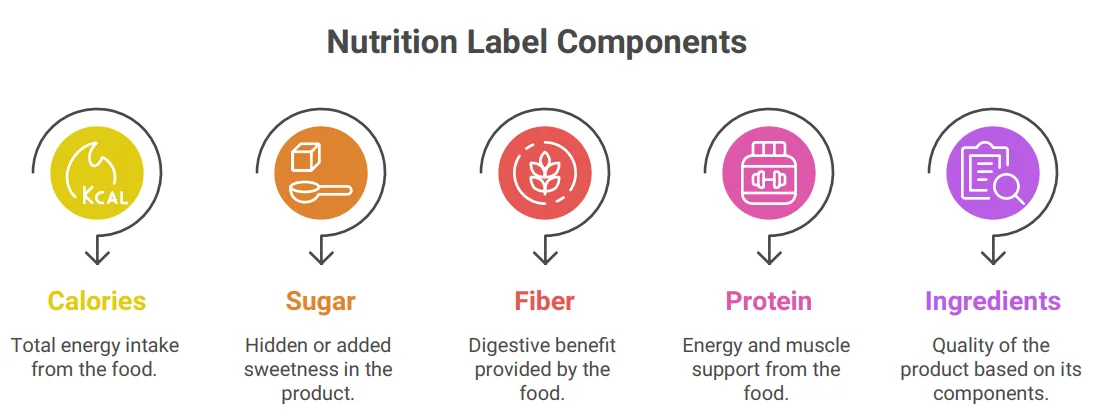
Pay attention to the following items:
→ Serving Size:represents actual amount of food being consumed
→ Sugar Content:there will be a per serving amount and a per package amount and you should be looking at the per serving amount
→ Fiber Content:The more fiber in one serving, the better for digestion
→ Ingredient List:The shorter and simpler the bett
Low-Sugar and Organic Options
Evolution of Healthier Alternatives:
Low-Sugar Granola
- Decreases the amount of calories consumed
- Satisfies appetite control
- Prevents sugar spikes in blood sugar levels
Organic Granola
- Contains no chemicals
- Emphasises a healthy and natural way of eating
- Provides nutritional value over time
Best Practices for Buying Granola Cereal
Making a good purchase of granola requires being aware of what is in it and making wise choices. Even little checks can create significant dividends towards your long-lasting health.
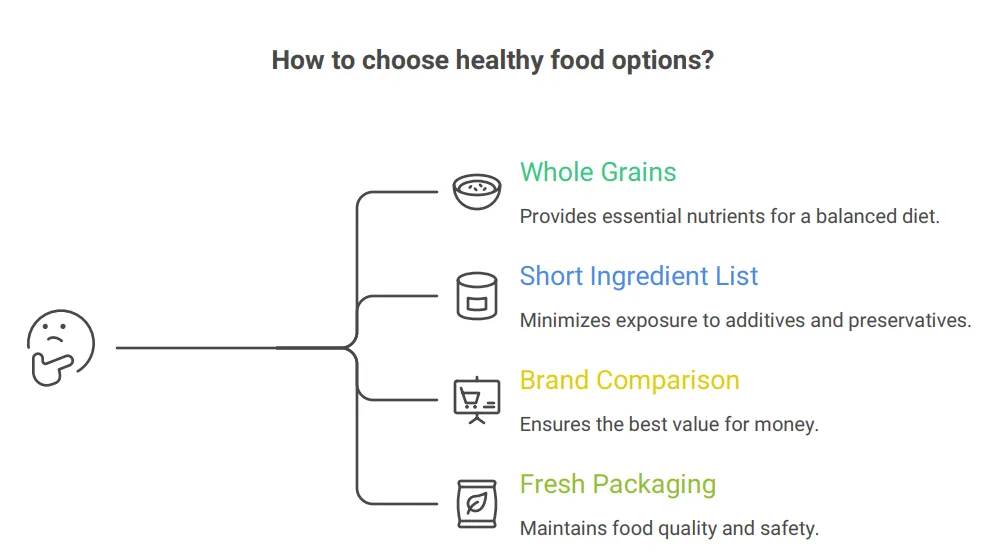
What to look for when purchasing granola:
- Whole grains as the first ingredient
- No long chemical names
- Compare brands before deciding on one
- Freshness and packaging quality
FAQs
Q1. What are some important facts about granola?
Granola is a nutrient-rich mix of oats, nuts, and seeds that provides fiber, energy, and essential nutrients when eaten in moderation.
Q2. Is granola cereal healthy for daily consumption?
Yes, granola cereal is healthy for daily consumption if it is low in sugar and consumed in proper portion sizes.
Q3. Can granola help with weight loss?
Yes, granola can support weight loss due to its fiber content that keeps you full when eaten in controlled portions.
Q4. Is homemade granola better than store-bought?
Yes, homemade granola is better as it allows control over ingredients, sugar, and overall quality.
Q5. What should I look for in healthy granola?
Look for granola with whole ingredients, low sugar, high fiber, and no artificial additives.
Conclusion: Incorporate These Facts About Granola Into Your Diet for Better Health and Enjoyment?
Granola isn’t just a quick breakfast; it can also provide nutrients that promote a healthier lifestyle when you make an informed choice. Knowing about the fiber content of granola, its ability to provide energy, and the quality of ingredients that go into it will allow you to use it as a great addition to your daily meals by using granola as breakfast cereal or as an ingredient combined with other foods like yogurt or fruit.
The really unique quality that granola has is that it must be chosen and eaten with care. By selecting low-sugar granolas that carry “clean labels” or are homemade, you can minimize the amount of unwanted additives while getting the most out of this food. Portions of granola are also very important when it comes to enjoying granola without excess calories. Understanding what goes into your granola gives you the ability to choose granola that aligns with your own personal health goals.
When you make an effort to use granola thoughtfully and consciously, you have the ability to create a balanced experience of flavor, nutrition, and convenience as part of your daily diet. There is no easier way to improve your eating habits than by adding granola to your diet and making it enjoyable and satisfying every single day!