Most vegetarian Indian meals lean heavily on carbs. Breakfast is poha or paratha, lunch is roti, sabzi and dal, and the evening snack is often biscuits with chai. There's nothing wrong with any of that, but if you want to stay full for longer, support your fitness goals, or simply stop raiding the kitchen at 6 pm, snacks are the easiest place to add protein.
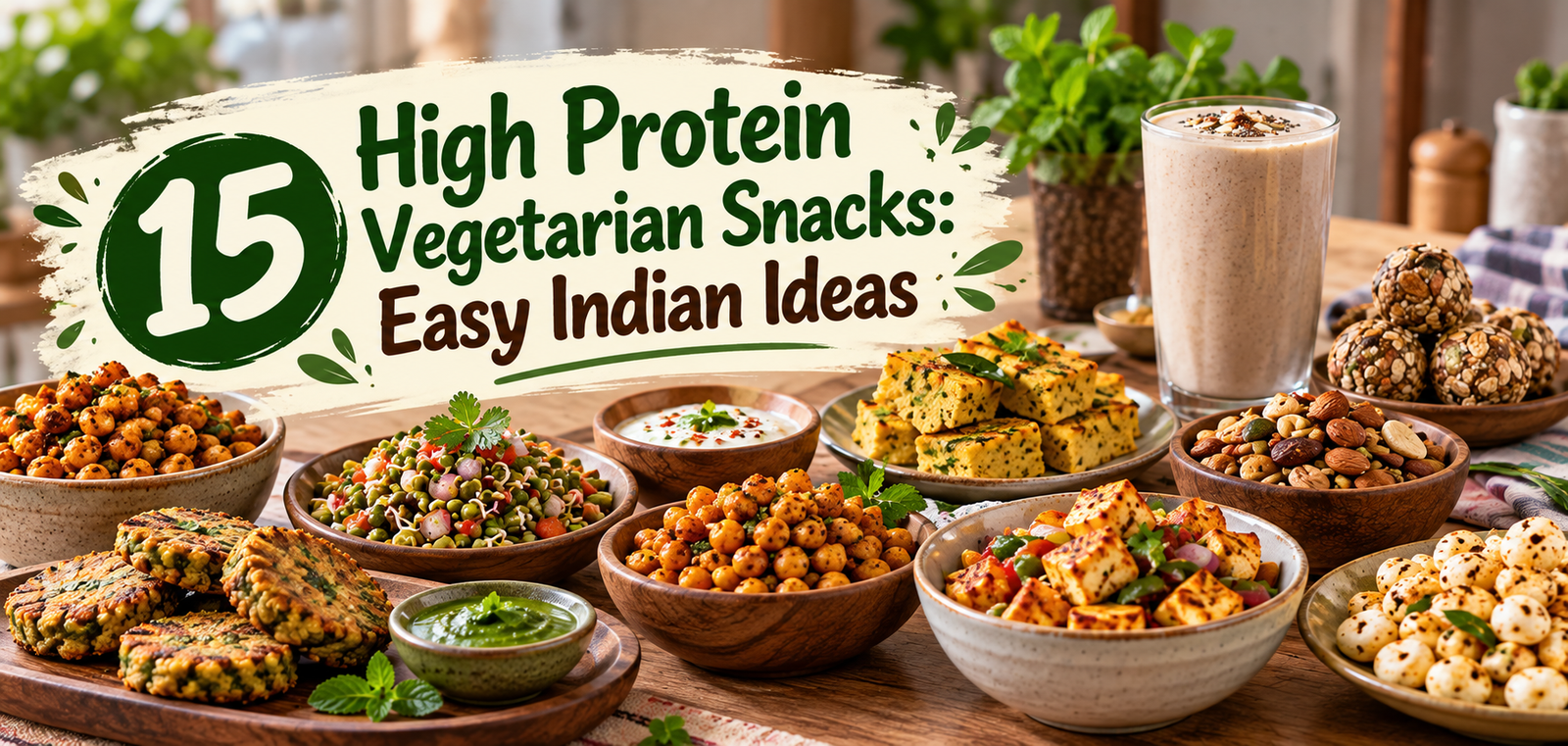
The good news is that high protein vegetarian snacks are already sitting in most Indian kitchens: roasted chana, peanuts, paneer, curd, sprouts and nuts. You just need to know which ones pull their weight and how to pair them. Below are 15 options, each with an approximate protein count per serving, so you can pick what fits your day.
How Much Protein Should a Snack Give You?
The ICMR-National Institute of Nutrition recommends about 0.83 g of protein per kg of body weight per day for healthy adults. For someone who weighs 60 kg, that works out to roughly 50 g a day. Spread that across three meals and one or two snacks, and a snack that delivers 6 to 10 g of protein is doing real work.
Anything lighter is fine as a quick bite, but it won't hold off hunger for long. That's the benchmark we've used for the list below.
A quick note: protein figures in this guide are approximate and based on standard nutrition data for each ingredient. Real numbers vary by brand, recipe and portion size, so always check the pack label on ready-to-eat snacks.
15 High Protein Vegetarian Snacks You Can Make or Buy
We've arranged these roughly from grab-and-go to quick-to-cook. Mix and match based on how much time you have and what's already in your pantry.
1. Roasted Chana (about 6–7 g per 30 g)
Roasted Bengal gram is one of the cheapest protein-rich snacks you can buy. A small handful needs zero prep, travels well and goes perfectly with chai. For more flavour, toss it with lemon juice, chopped onion and a pinch of chaat masala.
2. Peanut Butter on Toast or Khakhra (about 7–8 g per 2 tbsp)
Peanut butter brings protein and healthy fats together, which is why a couple of spoonfuls keep you satisfied for hours. Spread two tablespoons on whole wheat toast or a plain khakhra for a crunchy, filling snack. Choose a natural peanut butter where peanuts are the main (ideally only) ingredient. Our guide to peanut butter benefits covers what to look for on the label.
3. Almonds (about 6 g per 30 g)
A 30 g serving is roughly 20 to 23 almonds. Along with protein, you get fibre, vitamin E and magnesium. Flavoured roasted almonds such as peri-peri, jalapeño or herbs and chilli feel like a treat, which makes it easier to swap them in for chips. Just stick to a handful, because nuts are calorie-dense.
4. Cashews (about 5 g per 30 g)
Cashews carry slightly less protein than almonds, but their creamy bite makes them a favourite with kids and adults alike. Roasted or lightly salted cashews are a smart desk snack, and they mix well with almonds and seeds if you want a more balanced handful.
5. Paneer Tikka Bites (about 13–14 g per 75 g paneer)
Paneer is the heavyweight of vegetarian protein. Cube it, coat it in hung curd, ginger-garlic paste, red chilli and a squeeze of lemon, then grill or air-fry for about 10 minutes. You'll have a hot, high-protein snack in under 20 minutes, and it works well after a workout.
6. Hung Curd Bowl with Granola (about 12–15 g per bowl)
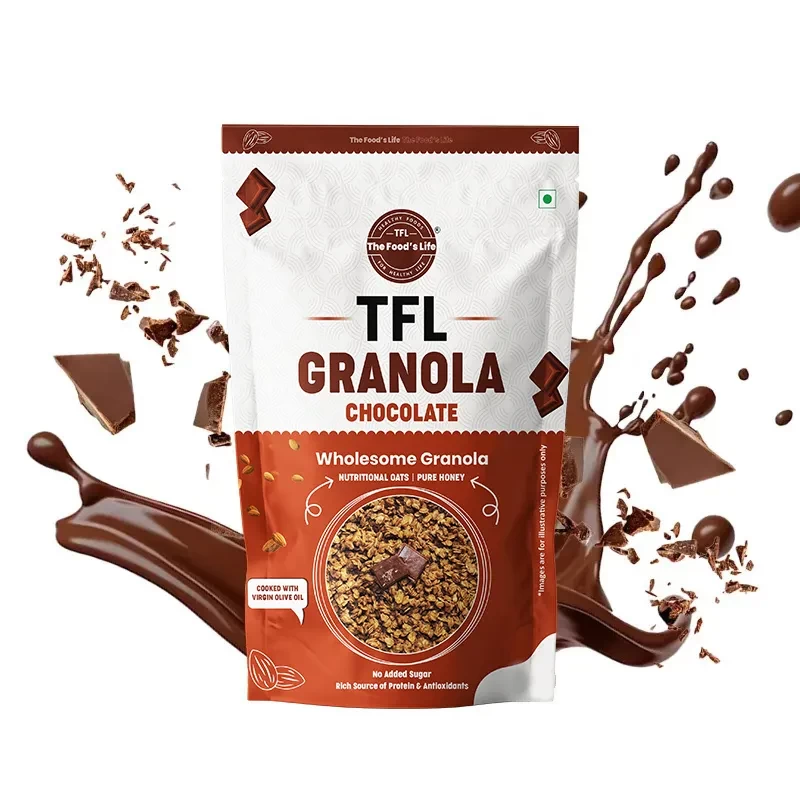
A 150 g bowl of thick hung curd or Greek-style yoghurt gives you a solid base of protein. Top it with 30 g of granola for crunch, plus a few berries or chopped apple. It doubles as a light breakfast and is one of the easiest protein snacks to prepare in two minutes.
7. Moong Sprouts Chaat (about 7–9 g per cup)
Sprouted moong is light, filling and easy on the stomach. Mix a cup of sprouts with chopped tomato, onion, cucumber, coriander, lemon juice and chaat masala. If raw sprouts don't agree with you, steam them for three to four minutes first.
8. Besan or Moong Dal Chilla (about 8–9 g per chilla)
A chilla made with about 40 g of besan or moong dal batter is a savoury pancake that cooks in minutes. Add grated vegetables for fibre, or fold in some crumbled paneer to push the protein count even higher. Serve it with mint chutney or curd.
9. Soya Chunk Chaat (about 13 g per 25 g dry chunks)
Soya chunks are roughly half protein by dry weight, making them one of the most protein-dense vegetarian foods you can cook at home. Boil, squeeze out the water, then sauté with onion, capsicum and your favourite masala. Finish with lemon and coriander.
10. Sattu Drink (about 6 g per 30 g sattu)
Sattu, or roasted chana flour, has been Bihar's go-to energy drink for generations. Whisk two to three tablespoons into cold water with lemon, roasted jeera and black salt. Use milk instead of water and you'll add several more grams of protein.
11. Masala Peanut Chaat (about 7–8 g per 30 g)
Roasted peanuts tossed with onion, tomato, green chilli and lemon make a crunchy, budget-friendly snack. Peanuts are among the most protein-rich nuts (technically legumes), so a small bowl goes a long way.
12. Nut and Seed Trail Mix (about 7 g per 30 g)
Combine almonds, cashews, pumpkin seeds and sunflower seeds with a few raisins. Pumpkin seeds are especially protein-rich, so they lift the whole mix. Portion it into small boxes on Sunday and you'll have ready snacks for the whole week.
13. Overnight Oats (about 11–12 g per jar)
Soak 40 g of rolled oats in 150 ml of milk with a tablespoon of chia seeds and leave it in the fridge overnight. In the morning, add fruit and a spoon of peanut butter for a few extra grams of protein. It's a snack, a breakfast, or a post-gym meal, depending on when you eat it.
14. Makhana and Almond Mix (about 6 g per bowl)
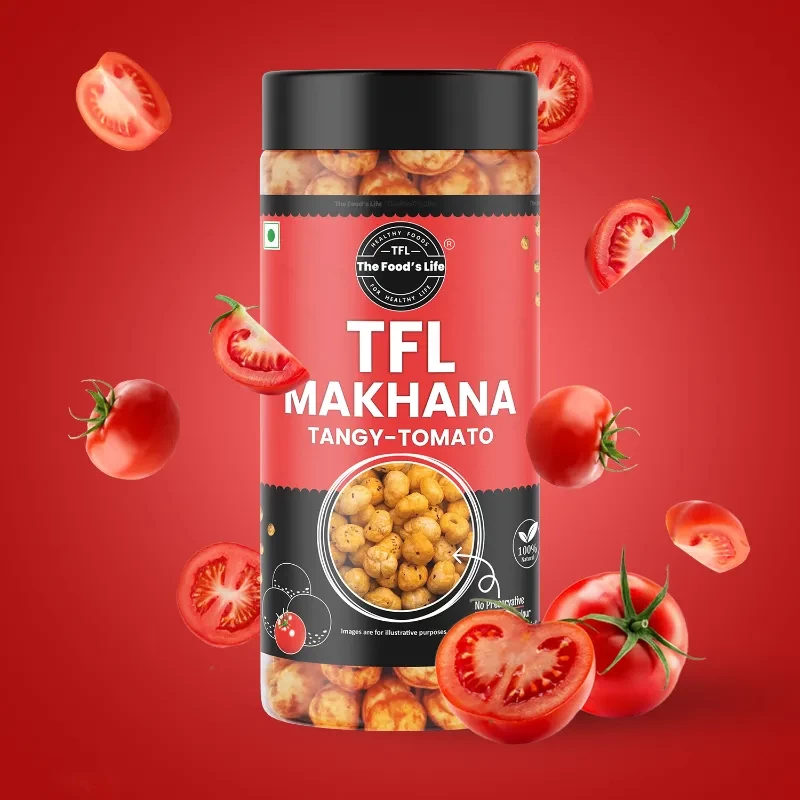
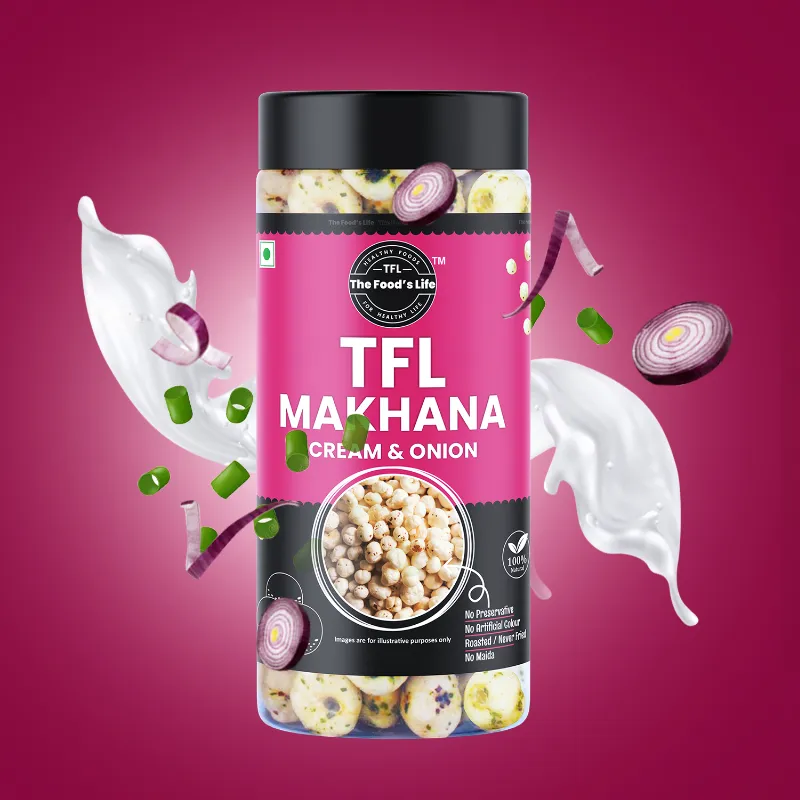
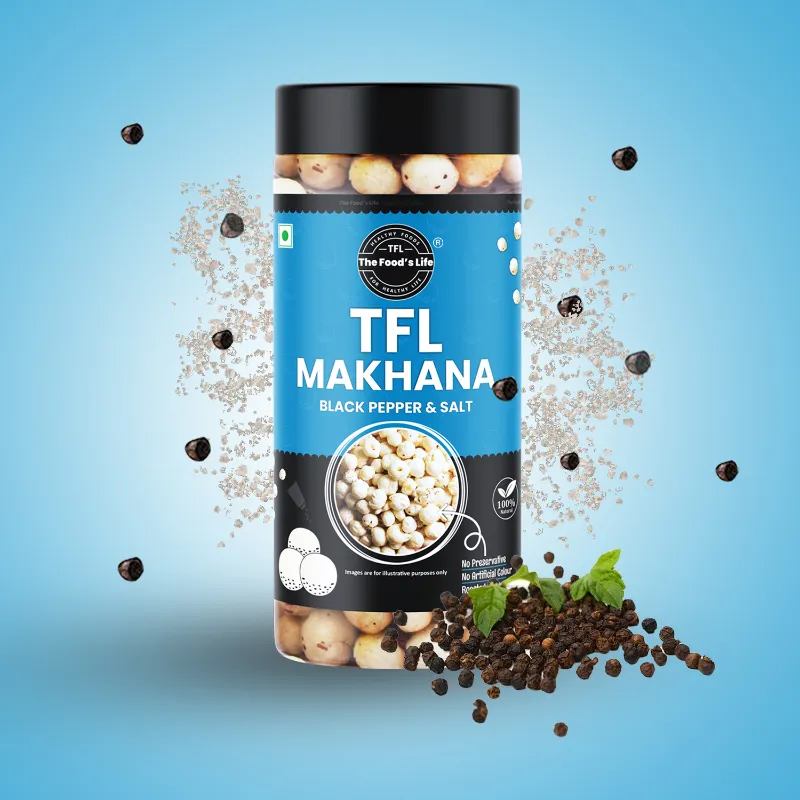
Let's be honest here: makhana on its own isn't a protein powerhouse. A 30 g serving gives about 3 g. What it offers is volume, a big crunchy bowl for relatively few calories. Toss 30 g of roasted makhana with 15 g of almonds and you roughly double the protein while keeping the snack light. Not sure which flavour to start with? Browse our makhana flavour guide.
15. Khakhra with Hung Curd Dip (about 10 g per serving)
Two khakhras (around 40 g) provide roughly 4 to 5 g of protein. Pair them with a hung curd dip flavoured with mint, garlic and black pepper, or with a few spoons of hummus, and you're close to 10 g. Methi, jeera and bajra khakhra all work well here. You can also read more about protein khakhra.
Protein Per Serving at a Glance
Here's a quick comparison so you can choose at a glance. Values are approximate.
SnackServingApprox. ProteinPrep Time Soya chunk chaat25 g dry chunks13 g15 min Paneer tikka bites75 g paneer13–14 g20 min Hung curd bowl with granola150 g curd + 30 g granola12–15 g2 min Overnight oats1 jar11–12 g5 min + overnight Khakhra with hung curd dip2 khakhras + dipAbout 10 g5 min Besan or moong dal chilla1 chilla8–9 g10 min Moong sprouts chaat1 cup7–9 g5 min Peanut butter on toast/khakhra2 tbsp7–8 g2 min Masala peanut chaat30 g peanuts7–8 g5 min Nut and seed trail mix30 gAbout 7 gReady to eat Roasted chana30 g6–7 gReady to eat Almonds30 gAbout 6 gReady to eat Makhana and almond mix30 g makhana + 15 g almondsAbout 6 gReady to eat Sattu drink30 g sattuAbout 6 g3 min Cashews30 gAbout 5 gReady to eat Ready-to-Eat or Homemade: Which Is Better?
Homemade snacks like paneer tikka, chilla and soya chaat usually give you the most protein per bite, and you control the oil and salt. The catch is time. On busy workdays, a good ready-to-eat option often beats an unplanned packet of biscuits.
When you buy packaged snacks, a few label checks help you pick well:
- Look at protein per 100 g, not just per serving, so you can compare brands fairly.
- Prefer short ingredient lists where the main food (nuts, makhana, peanuts) comes first.
- Watch sodium and added sugar, especially in flavoured snacks.
- Choose roasted or baked over deep-fried where possible. Here's why baked snacks are usually the smarter pick.
Simple Ways to Add More Protein to Any Snack
You don't need to overhaul your diet. Small swaps add up quickly:
- Pair carbs with protein. Apple with peanut butter, khakhra with curd, or fruit with a handful of almonds.
- Use milk instead of water in sattu, oats and smoothies.
- Sprinkle seeds such as pumpkin, sunflower or chia over chaat, curd and oats.
- Add paneer or curd to sandwiches, chillas and chaat.
- Prep ahead. Boil a batch of sprouts or portion trail mix in advance so the healthy option is also the easy one.
If you're managing a health condition such as kidney disease, or you have a nut allergy, check with your doctor or dietitian before making big changes to your protein intake. For blood sugar–friendly options, see our list of healthy snacks for diabetics.
Frequently Asked Questions
What is the highest protein vegetarian snack?
Among home-cooked options, soya chunks and paneer lead the list. Soya chunks are roughly half protein by dry weight, and 100 g of paneer gives about 18 g. Among ready-to-eat snacks, roasted peanuts, almonds and roasted chana are the strongest picks.
Are high protein snacks good for weight loss?
Protein helps you feel full, which can make it easier to avoid overeating between meals. Calories still count, though. Nuts and peanut butter are nutritious but calorie-dense, so measure your portions. You might also find our guide to makhana for weight loss useful.
Is makhana high in protein?
Makhana has a moderate amount of protein, roughly 9 to 10 g per 100 g, or about 3 g in a typical 30 g serving. It's best as a light, crunchy base. Pair it with nuts or seeds if protein is your main goal.
How much protein should a snack have?
For most healthy adults, a snack with 6 to 10 g of protein is a useful target. Active people or those with higher protein needs may aim for the upper end of that range.
Can kids eat high protein vegetarian snacks?
Yes. Curd, paneer, peanut butter, sprouts and chilla are all kid-friendly. For young children, avoid whole nuts because they are a choking risk; use nut butters or finely crushed nuts instead. For lunch box ideas, see our healthy tiffin snacks for kids.
What is a good high protein snack for chai time?
Roasted chana, masala peanuts, khakhra with a curd dip, or a makhana and almond mix all go well with tea and give you more staying power than biscuits.
Make Protein the Easy Choice
Getting more protein from your snacks doesn't require supplements or complicated recipes. Keep a few ready-to-eat options at home and at your desk, and plan one or two quick homemade snacks each week. Over time, those small choices make a noticeable difference to how full and energetic you feel.
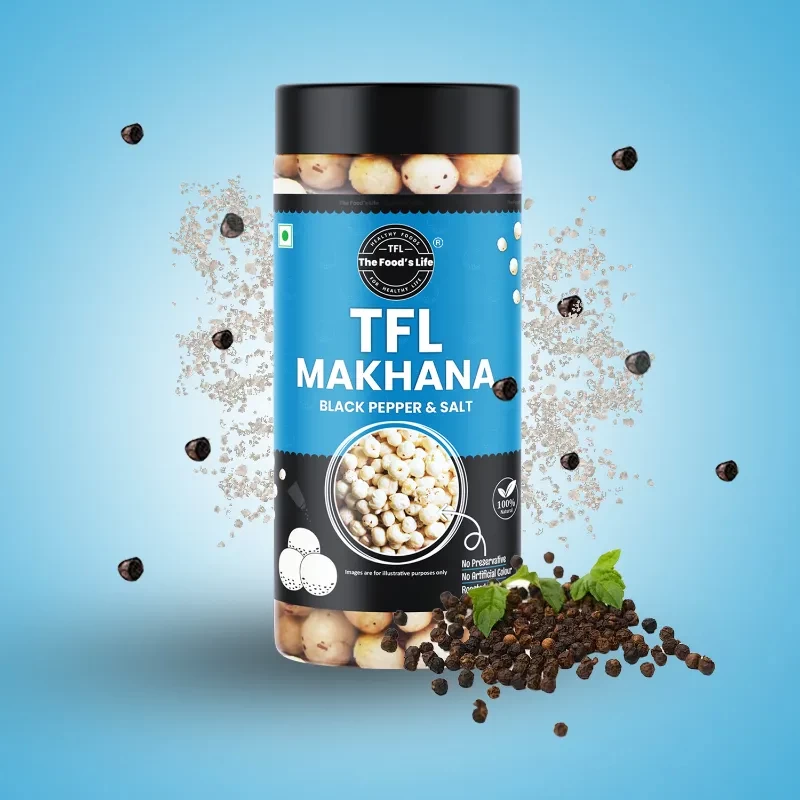
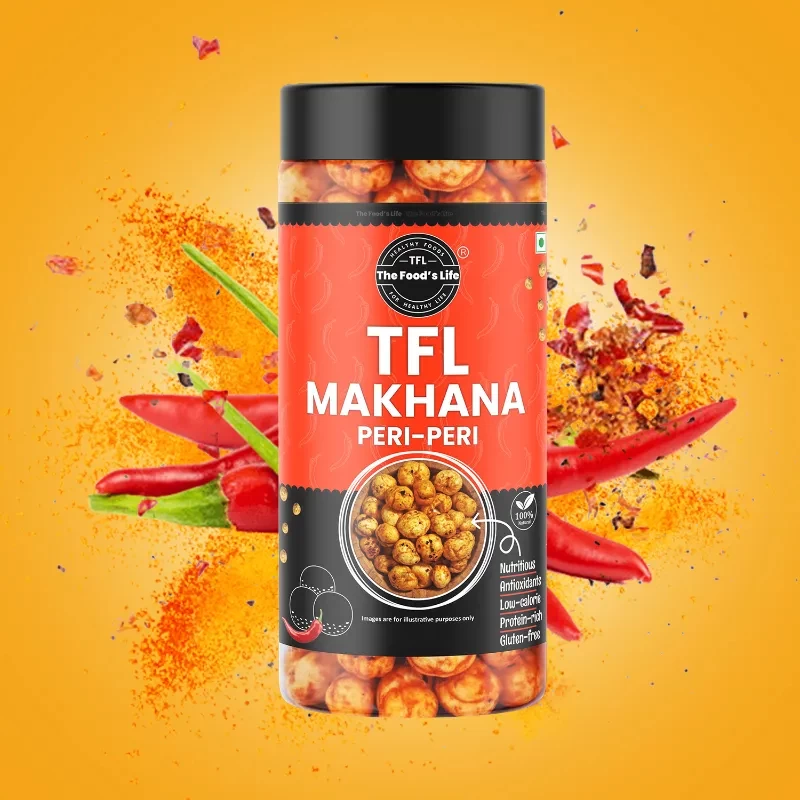
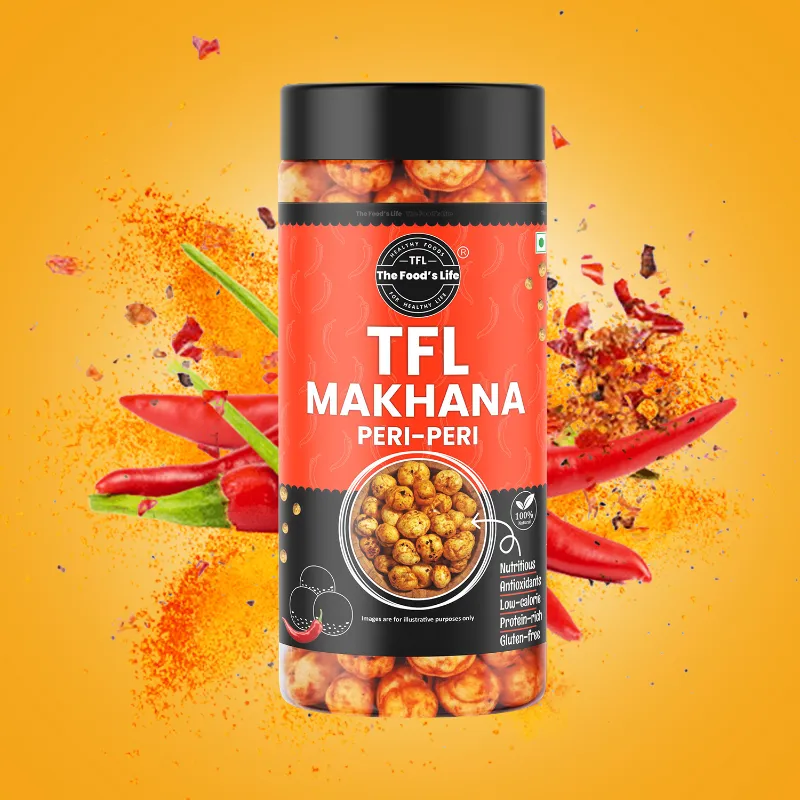
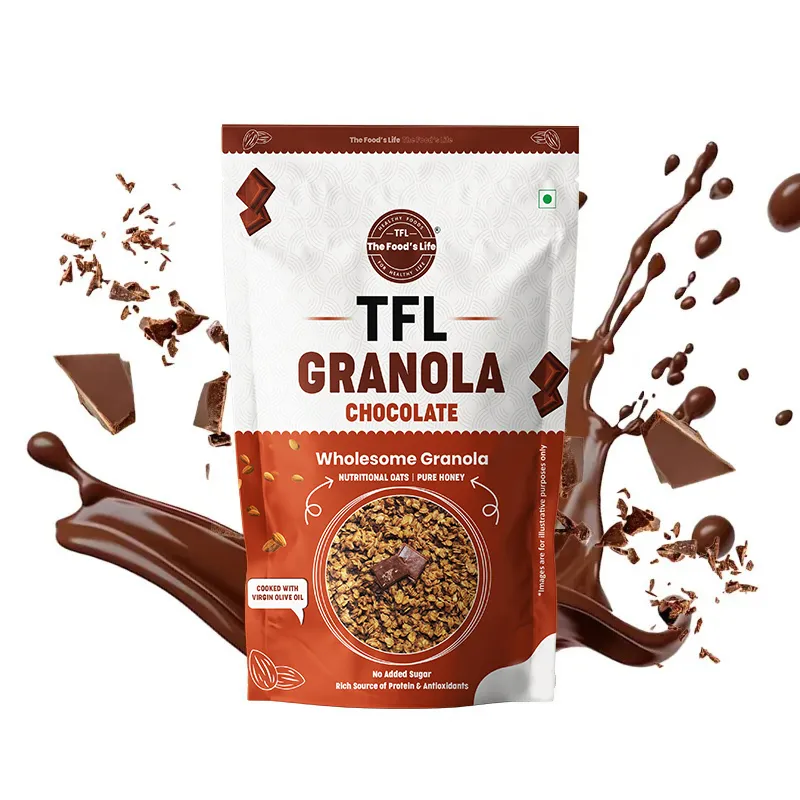
Looking for convenient options to keep on hand? The Foods Life offers roasted and flavoured almonds and cashews, natural peanut butter, flavoured makhana, granola and khakhra, all made for smarter everyday snacking. Explore the full range at thefoodslife.com.
Planning your workday snacks too? Here are 12 healthy office snacks to keep at your desk.




 +91 63528 07509
 sales@thefoodslife.com
 225, Orchid Plaza, Sama-Savli Rd, behind McDonald's, Vemali, Vadodara, Gujarat 390008