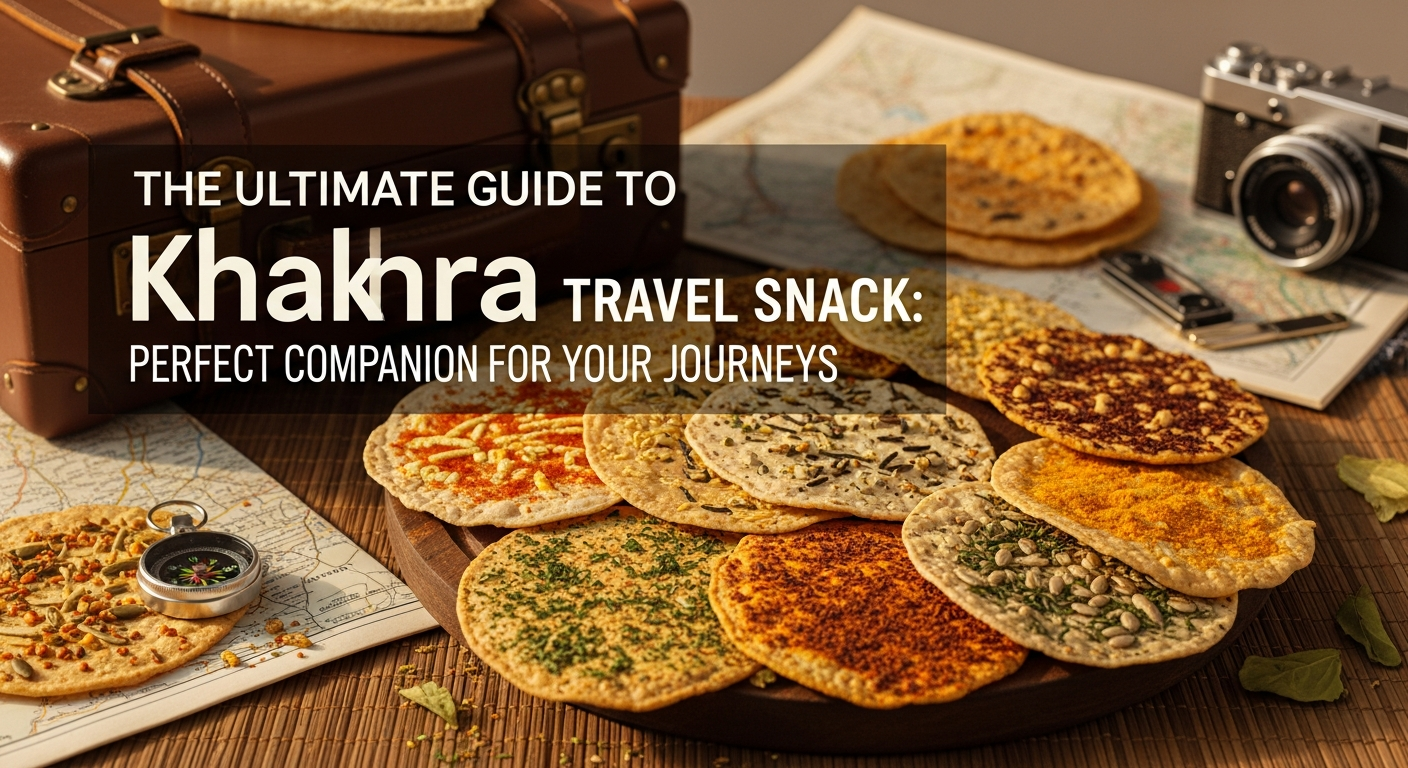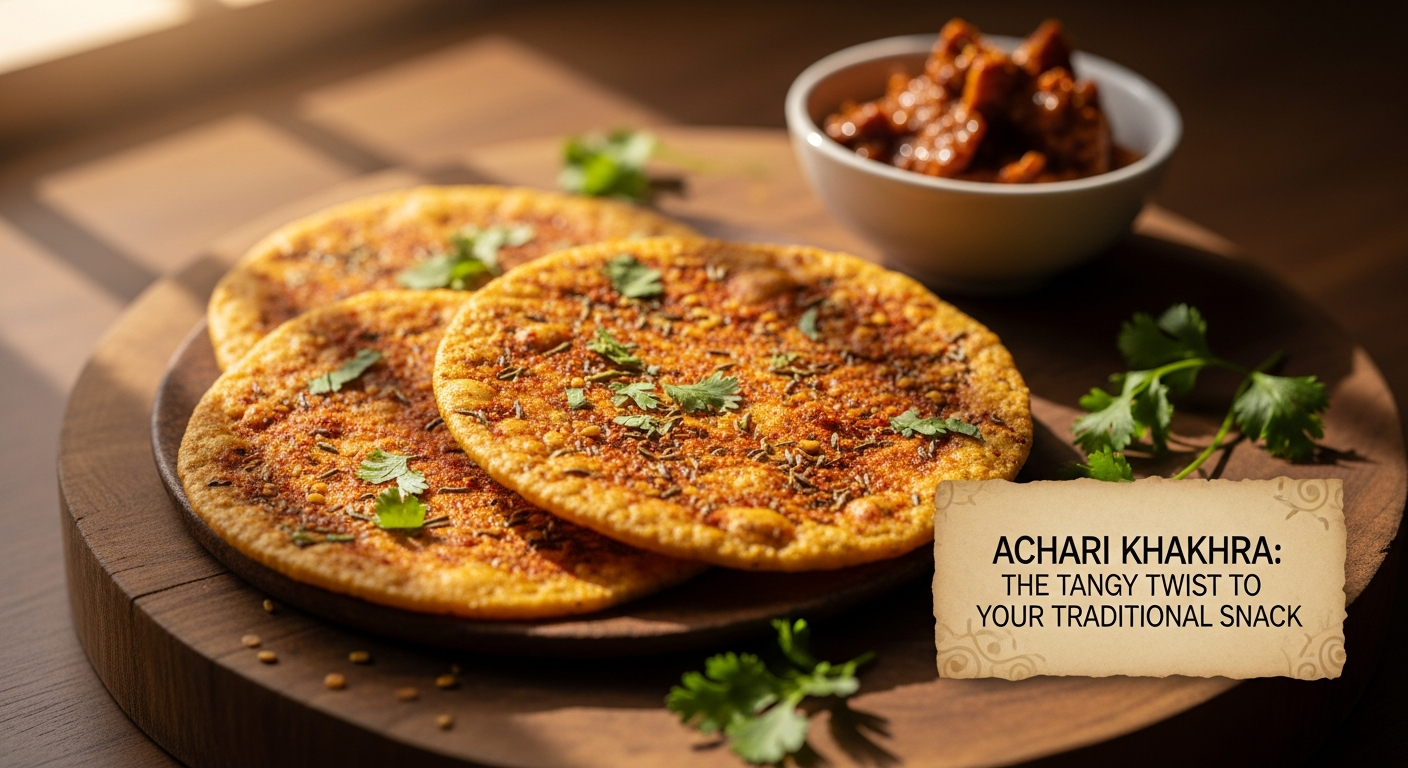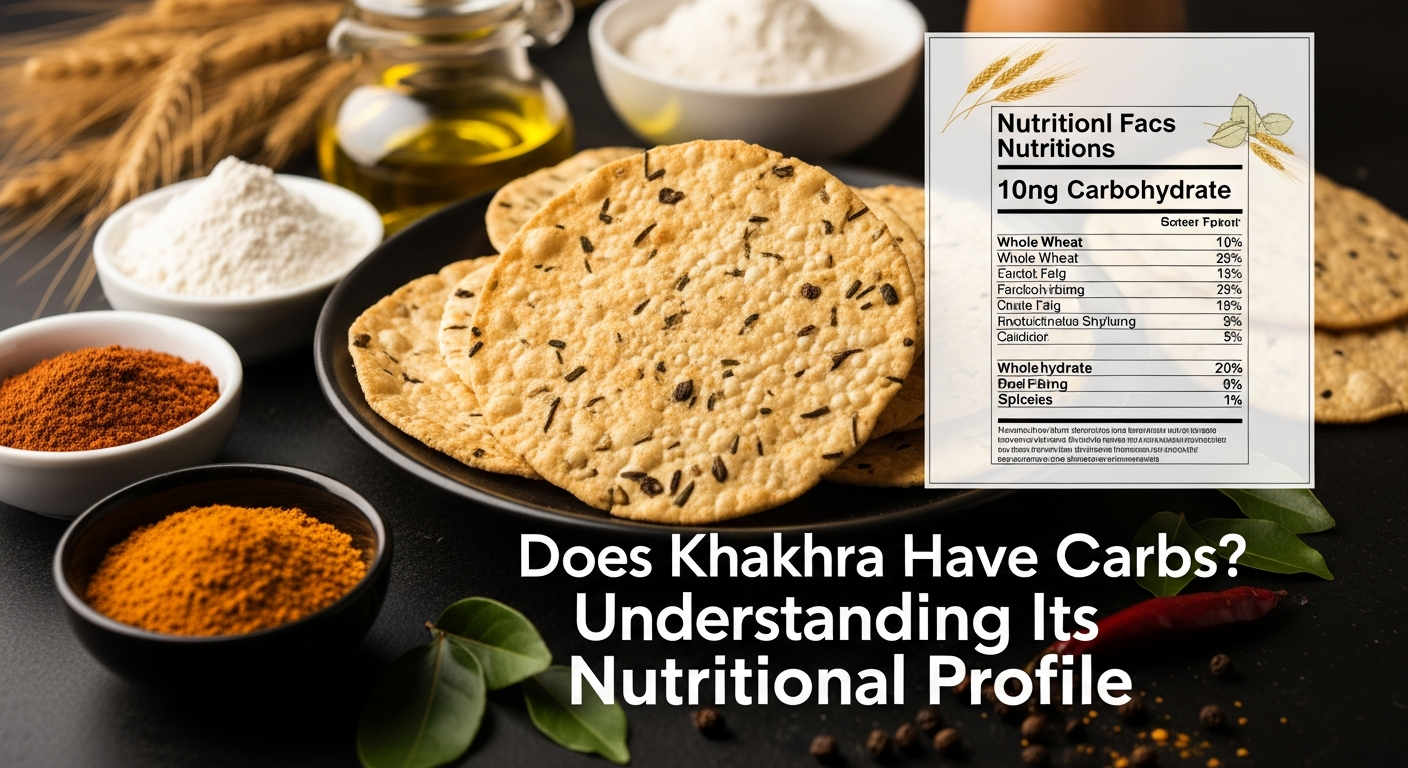
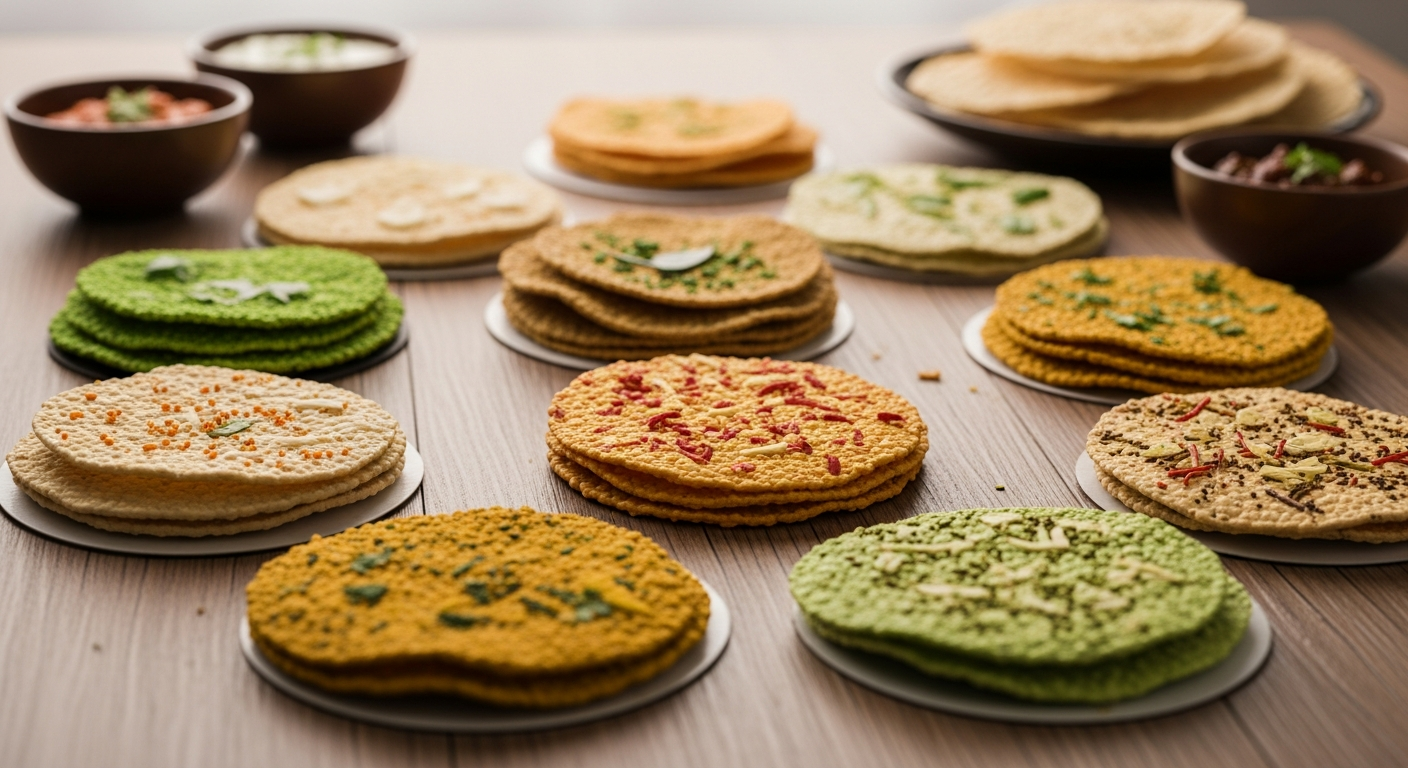
Khakhra is a healthy snack from India but the best varieties are the haphazardly made ones at home. There are as many types of khakhras as there are people making them; that is to say, there are thousands of them being made.
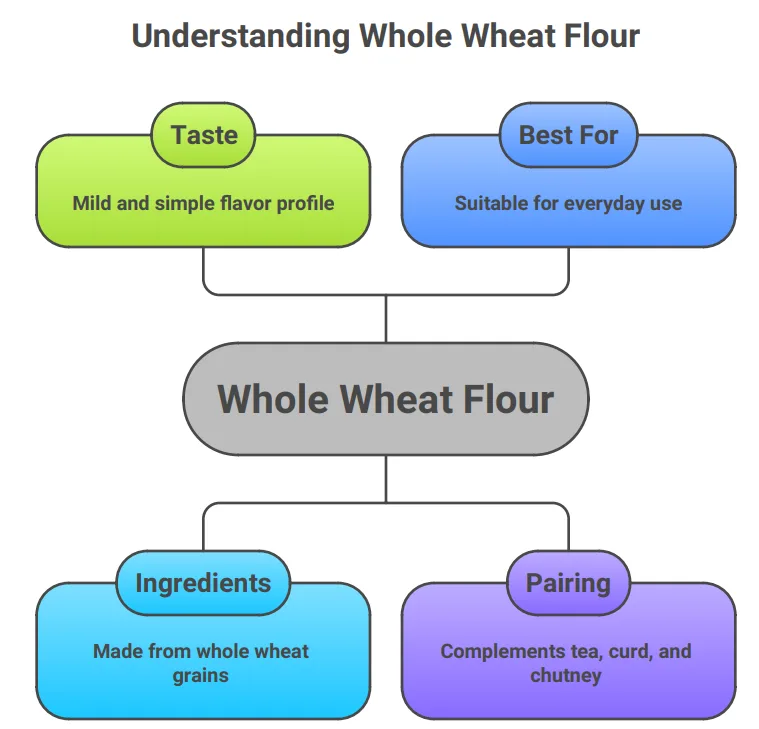
The simplest ingredient is whole wheat flour combined with different types of spices, giving you the ultimate in both nutrition and taste. There are the traditional varieties like methi (fenugreek leaves), jeera (cumin) and masala (spices), as well as the more recently created fusion versions like pizza-flavored and garlic-flavored—everyone will have their own personal favorites.
As much as Khakhra's popularity continues to grow, so will the number and diversity of Khakhra.
Introduction: Understanding What Khakhra Is and Its Cultural Significance
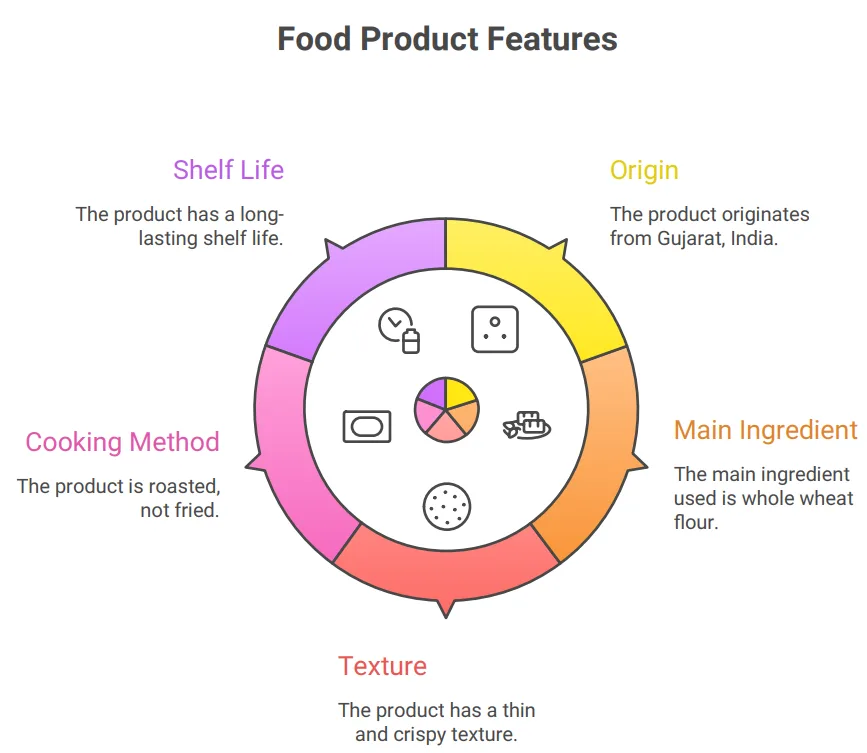
Khakhra -a traditional snack that is very popular throughout India; its origins primarily emanate from Gujarat where it has been eaten since ancient times. To appreciate how many different kinds of khakhra exist today, one must look at their origin, how they became so popular, their cultural significance & finally, how khakhra has been adapted over the years -in particular into one of India's most popular snacks.
The popular & crisp texture of khakhra has changed from being something we would make ourselves (at home) to now being consumed all over India and all over the world! Due to having simple ingredients, a long shelf-life & an incredibly good taste, khakhra continues to remain an important component of both traditional diets as well as contemporary diets.
What is Khakhra and Why It’s So Popular
Khakhra is a flatbread that has been lightly toasted to give it a certain level of firmness (hence the name 'khakhra'). A khakhra can be made from any type of flour, but they are generally most commonly made from whole wheat flour.
Similar Points:
- Khakhras are not greasy
- Khakhras are crispy and light
- Khakhras can come in multiple flavours such as methi, masala and jeera
- Khakhras are great for all occasions (e.g. Breakfast, tea time or when you travel)
- Khakhras can be consumed by anyone of any age
The Cultural Roots of Gujarati Khakhra
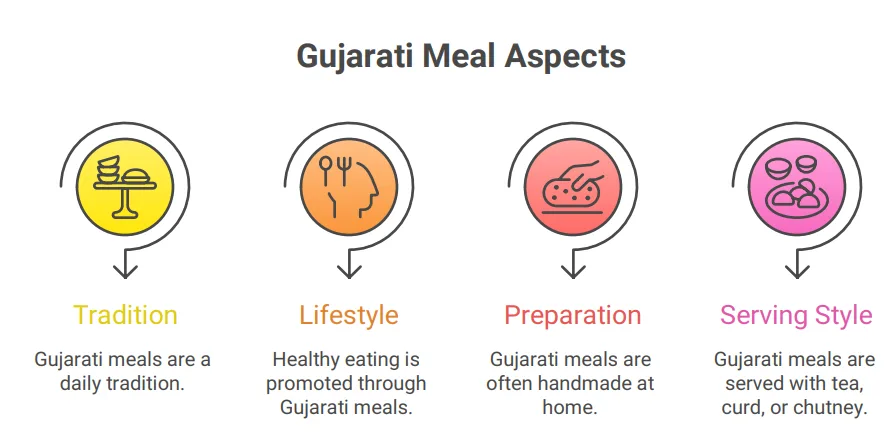
The Gujarati khakhra is an authentic snack that reflects the culture of Gujarat, its inhabitants, and their way of life. They are an example of the value placed on nutritious, simple, long-lasting foods that most Gujarati families have lived off of throughout the years.
This simple snack has evolved into numerous different forms, showcasing the incredible diversity of this item throughout the years.
Point Form
- Most Gujarati households consume khakhra daily
- Traditionally made using simple, readily available ingredients by the homemaker
- Khakhra can be enjoyed with a cup of tea, some type of spicy chutney, or any variety of pickles.
- Khakhra promotes healthy nutrition and eating behaviour
- Khakhra recipes have been passed down from parent to child for generations
The Classic Types of Khakhra: From Plain to Spiced Flavors
Khakhra has many different kinds of varieties, and the classic types that form the basis for Khakhra are traditional Gujarati khakhra. Khakhra has been made in a variety of traditional Gujarati styles, including plain and rich, spiced, and flavored khakhra.
These classic types are the most frequently purchased because they are great examples of balancing taste, nutrition, and tradition.
Plain Khakhra – The Traditional Favorite
This type of khakhra is made with just the basics. There's no added spice or flavorings, so it's perfect for someone who wants an easy to make/use type of snack.
General Usage & Experience Notes:
- This variety of khakhra is best suited for anyone who likes the taste of non-medicinal/non-spicy food.
- Commonly eaten at breakfast or with chai.
- Great base for unique toppings/spread assortments.
- Long shelf-life makes it great for traveling.
- Recommended for anyone with specific dietary requirements.
Masala, Methi, and Ajwain Khakhra Varieties
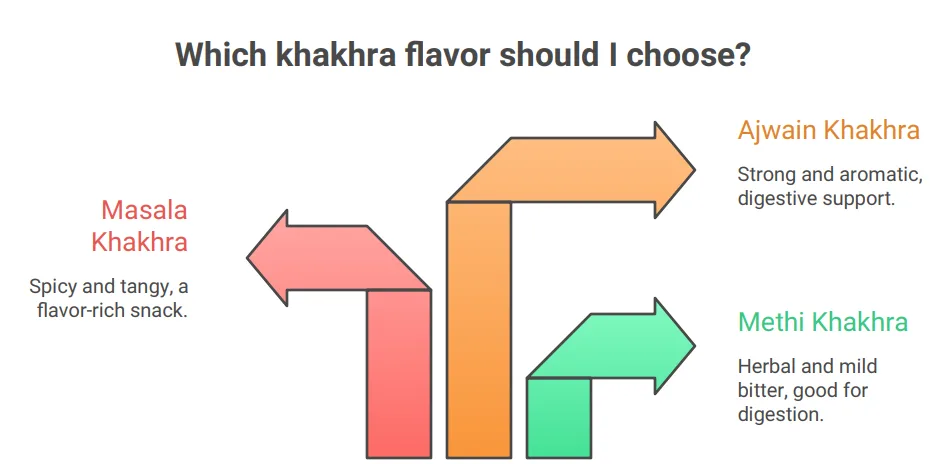
Several varieties of spiced khakhra offer a delicious accompanying flavor, with tastes that complement the authentic Indian kitchen. So much so, that these varieties are highly integrated into the Indian Kitchen and Gujarati culture, making them some of the most known in reference to the number of types of khakhra available.
Points:
- Methi is highly valued for both nutritional and digestive benefits
- Ajwain is traditionally used for improving gut health
- Masala blends incorporate many spice varieties together for a full taste experience
Garlic and Other Popular Flavored Khakhra
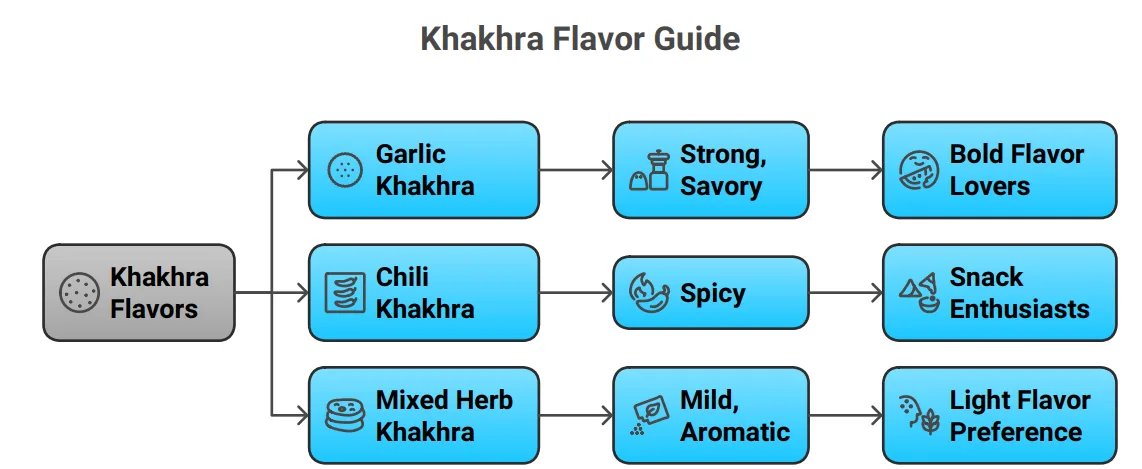
These flavored khakhras are modern versions of traditional khakhra recipes.
The main goal of the introduction of flavored khakhras is to meet new and changing taste preferences and to add variety in the snack industry.
Points:
- Garlic is one of the most popular flavors for packaged snack foods
- Chili peppers & spices have a strong appeal to spice lovers
- Herb-flavored snacks reflect global culinary trends
- Flavored khakhras can be found in brand-name products and retail outlets
- There is a significant demand for flavored snacks from younger, urban consumers
Regional Variations: How Different Areas Add Their Unique Twist to Khakhra
Regional differences greatly affect the different varieties of khakhra. The original and original form of khakhra is from Gujarat, but other regions throughout India have put their own spin on it by utilizing their own ingredients, types, and flavours to create this flexible snack.
Gujarati Khakhra Types and Local Specialties
All kinds of khakhra begin with gujarati khakhra, which has a delicious taste and is simple. It embodies old fashioned ways of cooking with balanced and distinct flavors that have been experienced for many years.
Subject Matter:
- Methi Khakhra is a well known household variety.
- Cumin flavor is mild and aromatic.
- Masala Khakhra is spicy and very popular.
- Ajwain is also often used as it helps digestion.
- In some households, khakhras are still made fresh every day.
- Khakhras are usually served with tea, but on occasion they are served with chutney/pickles.

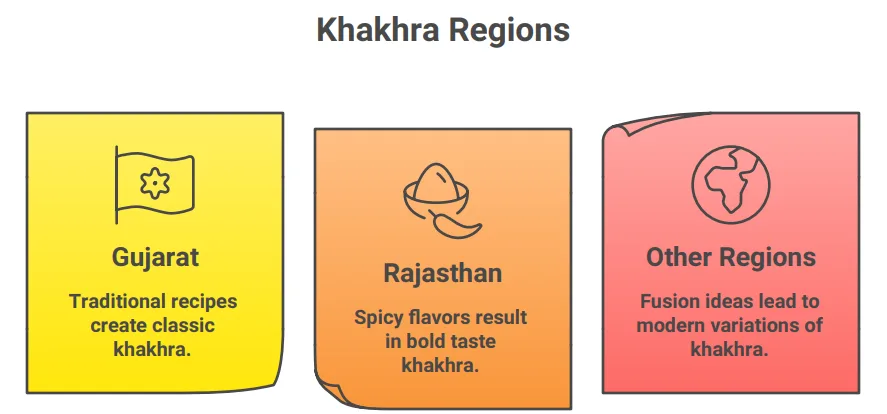
Influence of Rajasthani and Other Regional Snacks
As khakhra traveled outside of Gujarat, other parts created a unique twist by adding new tastes and textures. When other areas started messing around with recipes for khakhra, new tastes emerged and they just multiplied way more than anyone thought possible.
Although the structure is different, the list will likely be the same.
- Rajasthan = More spices; hotter everything
- Some areas have a thicker texture
- Some are similar to the texture of papad.
- More oil/masala than typical khakhra's.
- Great for people with more bold tastes.
- Can be eaten as a snack or as a meal, for lots of flavour.
Local Ingredients and Flavor Adaptations
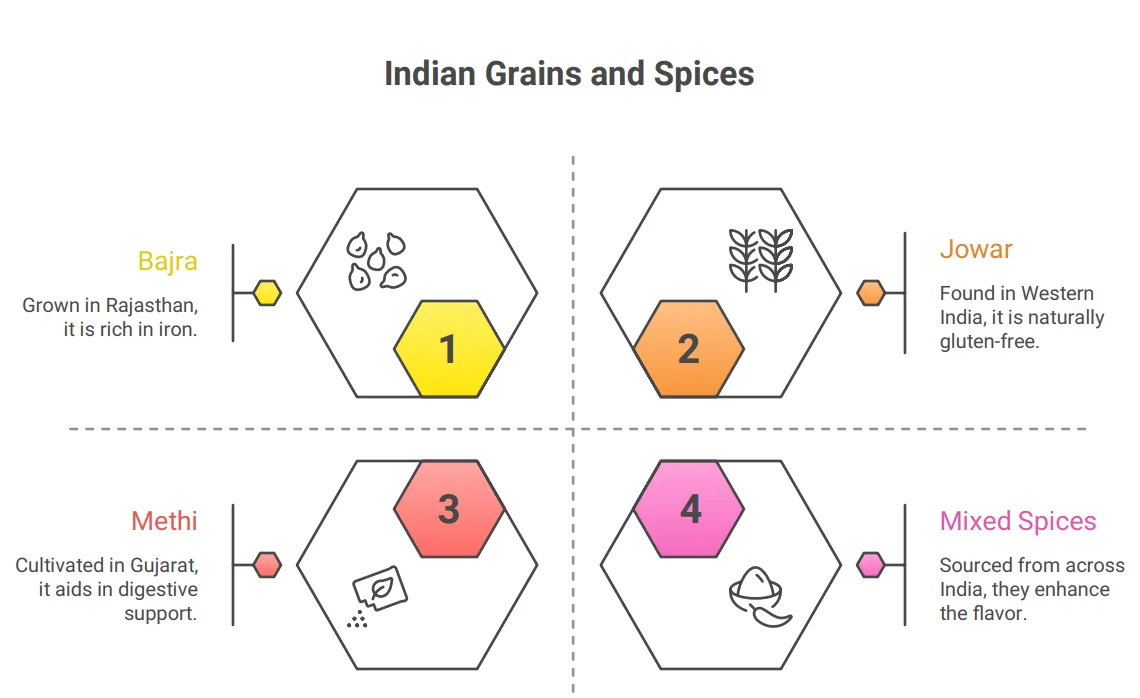
The diverse range of khakhras available today is in large part attributed to the local ingredients used to make them. The flexibility of using locally-sourced, culturally appropriate ingredients is one of the main reasons there is now such a large number of varieties of khakhra available across the country.
Here is a quick summary of some of that diversity:
- Khakhra made from bajra (millet) are primarily found in areas where millet is commonly grown;
- Khakhra made from jowar (sorghum) are gluten-free;
- Some regions add seasonal herbs to enhance the taste;
- In some regions, the khakhra will have a subtle flavor, while other areas' versions will have a pronounced flavor;
- The spices used in khakhra vary from one region to another; and,
- The way khakhra has been adapted by different regions of India reflects the different cultural preferences of people across India.
Health-Oriented Khakhras: Whole Wheat and Multigrain Options
While researching all types of khakhra, one type that is gaining popularity among health-conscious people is the healthy version. The traditional khakhra from Gujarat is already a healthy option.
Now, khakhra has exploded in new and unique forms such as multigrain and low-calorie so that it is now suitable for fitness and as a part of your daily diet.
Whole Wheat Khakhra for Daily Nutrition
Khakhra made from whole wheat is one of the most highly-converted and nutritionally complete foods available today. It contains both a good amount of fibre and energy — so you can use it to snack throughout the day.
Some of the attributes of khakhra related to 'balanced' (acceptable in size) are:
- A high content of fibre which assists with maintaining proper digestive health
- Provides stable energy supplier for day to-day living
- Light on your digestive system which can be consumed often
- Ideal for all age groups/lifestyles
- Excellent addition as a healthy snack for tea time

Multigrain Khakhra and Modern Healthy Options
Multigrain khakhra provides an alternative that delivers superior nutritional value relative to traditional or single grain khakhra, plus it fits into many contemporary dietary patterns.
Key Benefits :
- Made with several whole grains (oats, millet, etc.)
- Offers a broader variety of nutrients from one snack
- Has a richer (but still crunchy) mouthfeel than plain Khakhra
- Appealing to those who want to make healthy choices
- Represents how Gujarati Khakhra has traditionally evolved over time
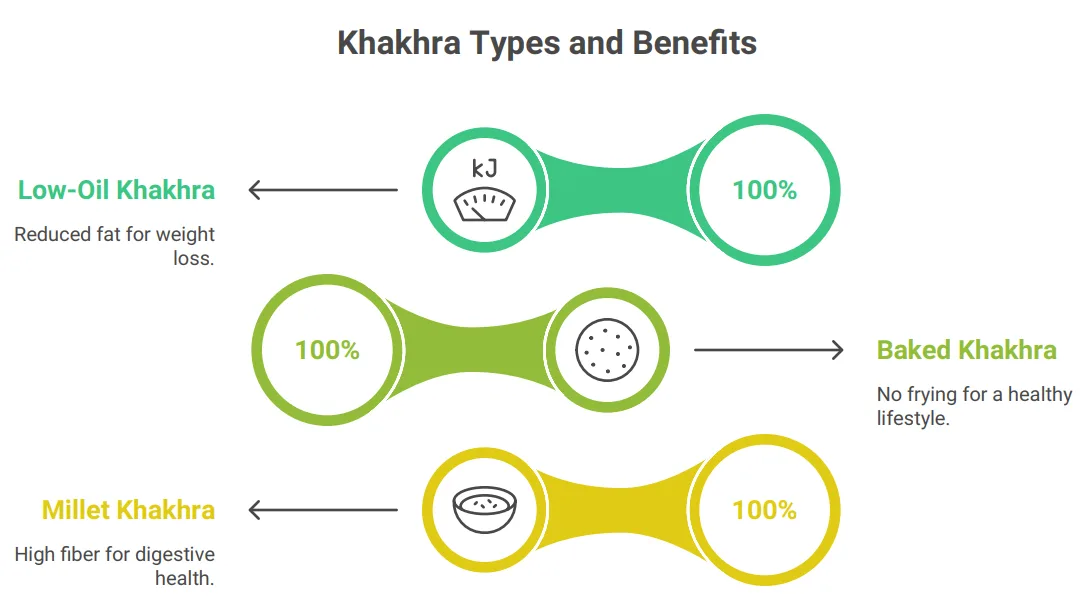
Low-Calorie and Diet-Friendly Khakhra Choices
Low-calorie khakras are made for those trying to lose weight, eat better yet still have good-tasting snacks.
There is a list or summary of how they are balanced and natural:
- Less oil than regular snacks
- Help control how many calories you eat daily
- Use for weight loss/fitness diets
- Light in weight/crostini/fits into meals easily.
- Can be eaten with dips or salads made from fruit/vegetables.
Enjoying this read? Get more like it.
Get fresh snack inspiration and updates from our team.
Sweet vs. Savory: Exploring the Diverse Taste Profiles of Khakhras
There are a variety of khakhra to choose from when it comes to taste, as these traditional Indian snacks have now been adapted to fit modern tastes such as sweetened or dessert style also.
As part of an age-old tradition from the state of Gujarat where khakhra originated, they can now be enjoyed by anyone looking for something tasty yet nutritious at the same time
Savory Khakhra Varieties Loved Across India
Khakhra is usually made with seasonings so it is often eaten throughout India and is usually taken as a light snack.
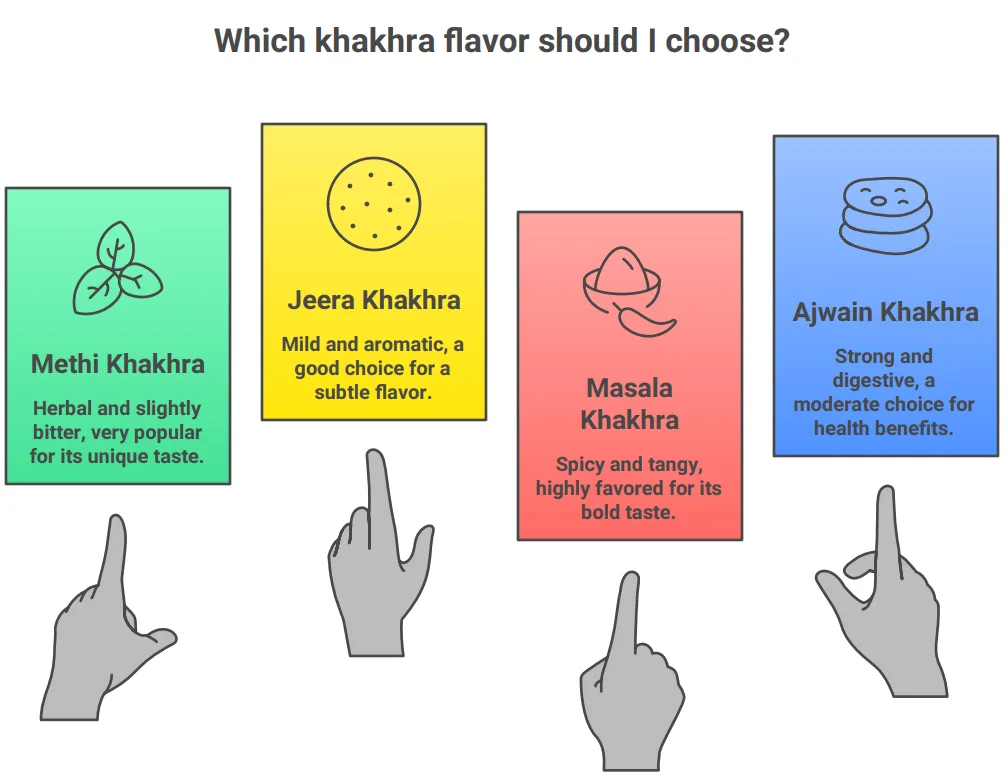
There are usually four main khakhra flavors in India:
- Methi, jeera, masala and ajwain each flavor has its own unique blend of spices and seasonings creating a blend of tastes that are all mild, hot or sour.
- Most khakhra is consumed with chai tea, although many people also eat it as a snack.
- All traditional khakhra recipes use the same basic methods to create a traditional khakhra and are based on Gujarati cuisine.
Sweet Khakhra Types and Unique Flavors
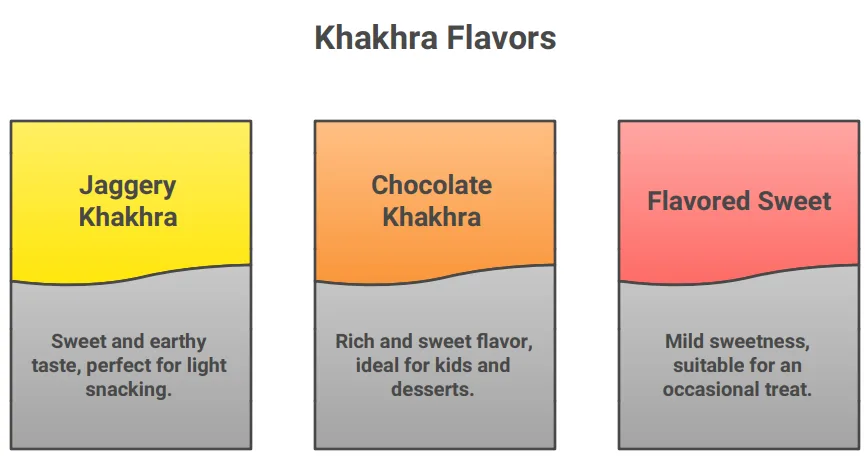
Sweet khakhra is an innovative twist that offers a pleasantly mild flavor to these traditional snacks. These versions are more uncommon but are slowly gaining traction with those who enjoy milder tastes than spicy.
Pros (Balanced Style):
- Made by utilizing ingredients like jaggery/sugar/flavoured spices
- You will experience a mildly sweet, smooth-tasting product
- Are popular with children, and anyone avoiding spicy food
- Can fit into your light snacking habits and/or dessert-like cravings
- Provides variety in addition to the growing number of ways to enjoy khakhra
Balancing Taste Preferences with Health Benefits
When choosing khakhra's sweet or savory option, personal preference will play a role in your overall health objective. While savory khakhra typically has lower calories and sugars, sweet khakhra should still be eaten in moderation.
There are four key factors to consider when deciding which khakhra to eat each day:
- Savory khakhra typically have lower sugar and calorie content
- Sweet khakhra offers a variety of different flavors, but the caloric content can often be higher;
- Choosing whole wheat and/or multigrain options will contribute to better nutritional intake;
- It is important to mention that what types of khakhra you eat is determined by your daily eating habits.
You can achieve a balanced approach to both your taste preferences and your healthy lifestyle by consuming khakhra.
Innovative and Modern Twists on Traditional Khakhras
The types of khakhra available today are incredible! There has been a huge progression in the traditional snack since their inception as a basic roasted flat bread in Gujarat.
With new innovative ideas there are now numerous novel and exciting flavours that have been created, along with the introduction of new healthier quality ingredients & convenient packaging, thus making khakhras more appealing to a variety of people, particularly to a younger and/or health-conscious demographic.
Fusion Flavors Like Pizza and Cheese Khakhra
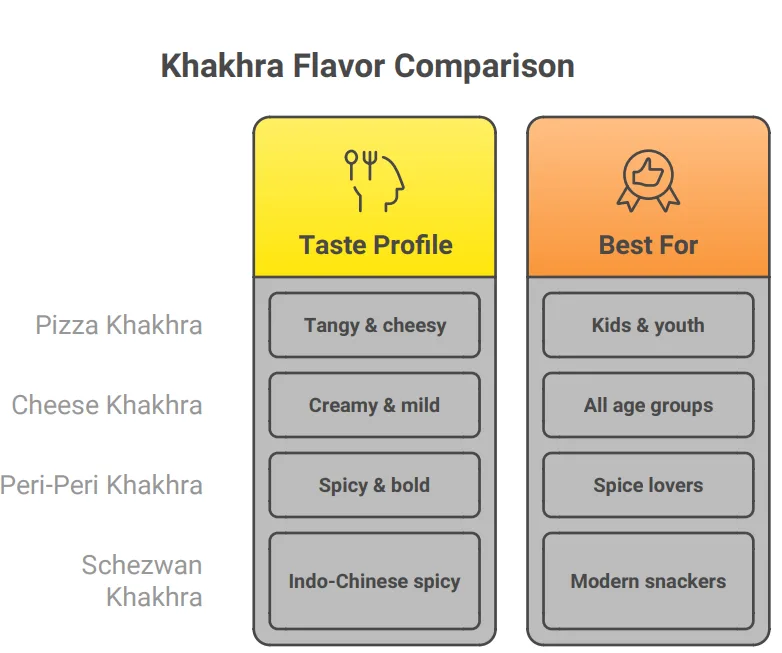
Fusion Khakhra varieties adopt worldwide cuisines to transform Flip-Flop Khakhra, maintaining the traditional crunchy feel while including newer flavor profiles desired by today's consumers.
Consider these points when evaluating whether an assortment of the various flavored khakhras are an excellent source of variety in your diet:
- Includes such flavors as Pizza, Cheese, Peri-Peri, and Schezwan
- Merges the classic preparation of Indian Khakhras with new international flavor profiles
- Provides enjoyment for children and youth
- Provides a fun and interesting new twist on everyday snacks
- Provides consumers with many more options regarding the different varieties of khakhras available today.
Gluten-Free and Millet-Based Khakhra Options
For those who want more healthy options when it comes to khakhra, there are now gluten-free varieties made from millet flour. These varieties are perfect for people who want to eat nutritious foods and maintain their enjoyment of the taste. Here are some
Important features of these types of health-focused khakhra:
- Made with jowar, bajra, and other millet flours
- Naturally gluten-free and very easy to digest
- Rich in fiber and other important nutrients
- Good for people who stay fit and/or are on a diet
- Represents the evolution of traditional Gujarati khakhras
Store-Bought vs Homemade Khakhra Varieties
Khakhra can be made at home or purchased as a pre-packaged product.
There are pros and cons to both options based on what people prefer: convenience, flavor or health.
Points:
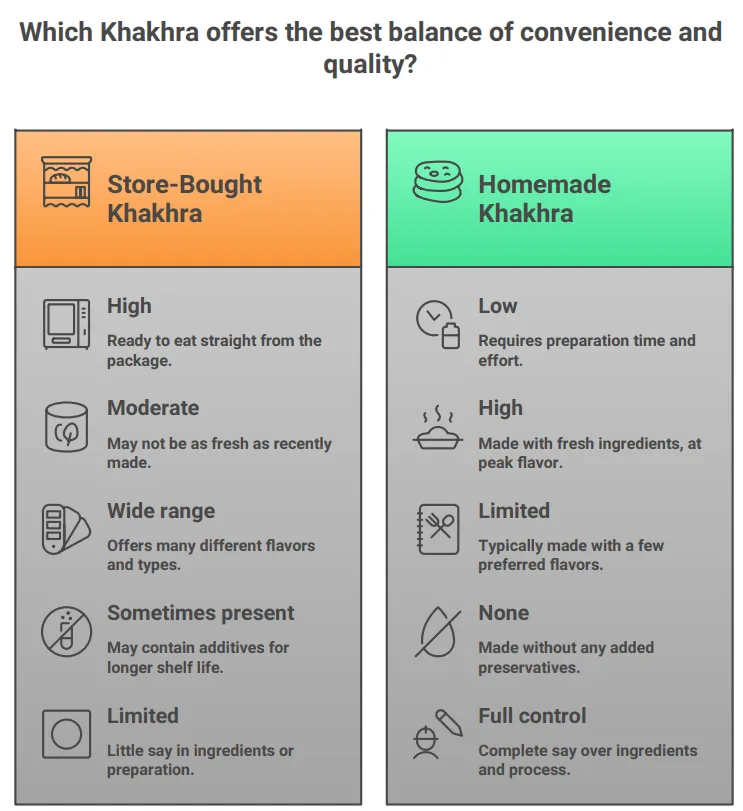
- Store-bought khakhra has the added benefit of offering a wide variety of flavors to choose from, plus convenience.
- Homemade khakhra guarantees freshness, as you know exactly how each ingredient was prepared and added.
- Many pre-packaged khakhras have preservatives in them to extend shelf life.
- Homemade khakhra will be more authentic to traditional style Gujarati khakhra.
- Choosing between making khakhra yourself and buying it at a store depends on your lifestyle in general as well as on your routine each day.
How to Choose the Right Type of Khakhra for Your Taste and Health Needs
Having plenty of choices for your khakhra means you'll have to know what kinds are available before making a decision about which one will fit in best with your lifestyle. There are traditional Gujarati-style khakhras and then there's this new healthier and flavored khakhra.
To determine which khakhra will suit you the most, think about not just your taste buds but also your overall health goals, your daily eating habits, and ultimately what you want to get from your food. Once you have made the right decision for yourself regarding getting a khakhra and enjoying its taste and nutritional value, you'll find it easy to do both.
Choosing Based on Flavor Preference
Flavour can be considered among the most important aspects for choosing a khakhra.
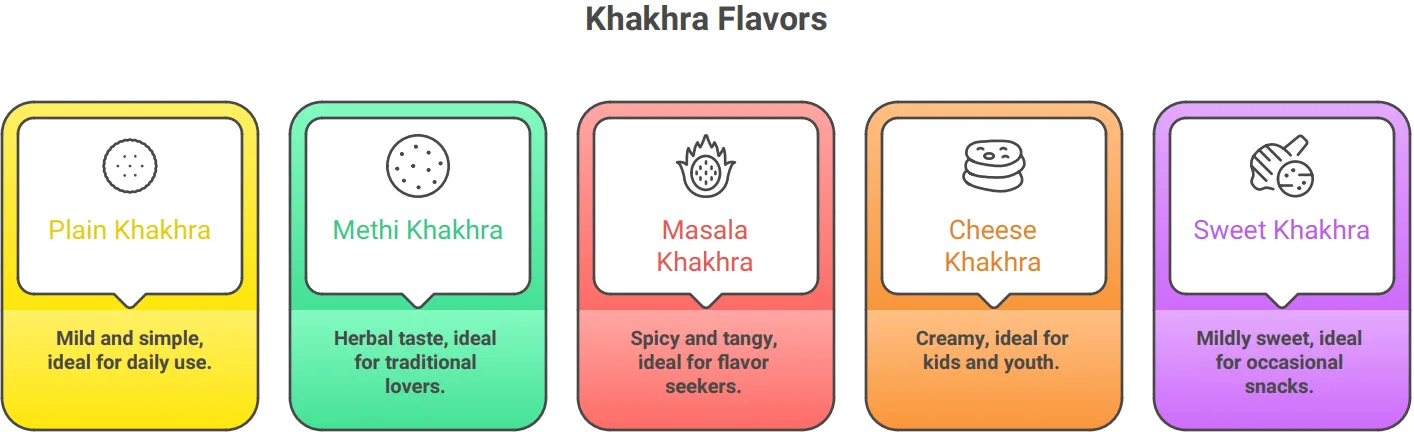
There are many different types of khakhra. They all have their unique flavours, which can range from plain to spicy.
- Plain khakhra is excellent for people who want something basic.
- Methi and jeera offer a mild flavour, which is traditional.
- Masala and spicy varieties will appeal to individuals with a more demanding palate.
- Fusion flavours such as cheese khakhra and pizza khakhra are trending and appeal to younger consumers.
- Sweet khakhra will satisfy your craving for something light and mild.
Choosing Based on Health Goals
When making choices about the type of khakhra to eat, keep in mind your health goals. There are many different types of khakhra made from various ingredients, resulting in different nutritional benefits.
Points to remember when choosing khakhra (balanced):
- Whole wheat khakhra is good for daily nutrition and digestion
- Multigrain khakhra provides a good range of nutrients
- Millet khakhra is gluten-free
- Low-oil khakhra will help control your caloric intake
- High-fiber khakhra is good for gut health
Everyday Snacking vs Occasional Treats
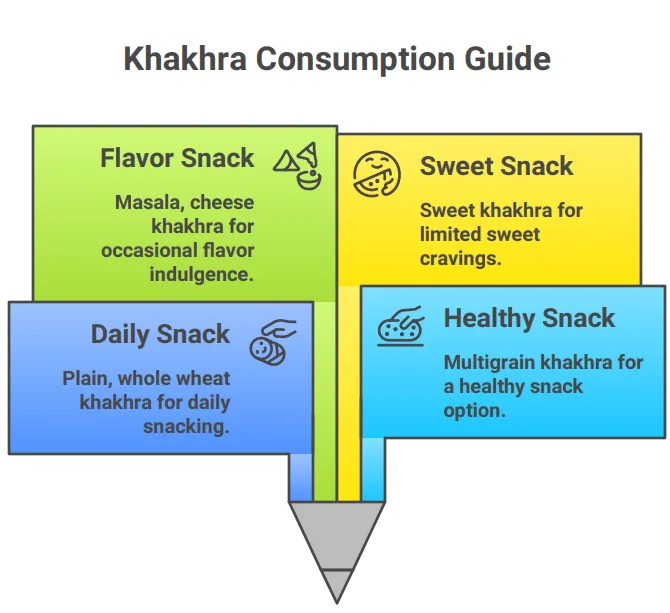
Not every kind of khakhra can be consumed on a daily basis and different types appropriately consumed on a regular basis will help you maintain total nutrition.
You can create balance through the following points:
- Plain and whole wheat khakhra are appropriate for daily snacking
- Multigrain khakhra can be consumed on a regular basis to promote wellness
- Spicy/flavored khakhra should be consumed on an occasional basis
- Sweet khakhra should be eaten in small amounts, i.e. less than daily
- By balancing different types of khakhra you promote both flavor and nutrition.
FAQs
Q1. How many types of khakhra are there?
There are more than 20 types of khakhra, including plain, spiced, multigrain, millet-based, and flavored varieties.
Q2. What is the most popular type of Gujarati khakhra?
Methi khakhra is the most popular Gujarati khakhra due to its taste and health benefits.
Q3. Is khakhra a healthy snack?
Yes, khakhra is a healthy snack as it is roasted, low in oil, and rich in fiber.
Q4. Are there gluten-free khakhra options available?
Yes, gluten-free khakhra options made from jowar, bajra, and other millets are available.
Q5. Can khakhra be eaten daily?
Yes, plain or whole wheat khakhra can be eaten daily as part of a balanced diet.
Conclusion: Discover Your Favorite Type of Khakhra and Enjoy This Crunchy Delight Today
If you look at how many varieties there are of khakhra, you'll soon see why this traditional food has become so versatile and exciting! Khakhra is available in many different forms from the simple, plain and methi types to multigrain, millet-based and fusion flavours. Whether you are looking for something that suits your tastes or are looking for an alternative to cooking, khakhra will appeal to everyone.
Khakhra has remained true to its roots as a Gujarati snack while meeting today's needs by being produced in ways that still maintain their authentic flavour.
Khakhra is a unique snack because it has a great balance of taste and health. Since khakhra is roasted rather than fried, it is a much lighter and healthier option than many other snacks. There is a type of khakhra that will fit into everyone's lifestyle, whether you are looking for a daily snack, something convenient for on-the-go or a healthy addition to your daily meals.
For these reasons, you should explore the various types of khakhra available out there, determine your personal preference, and find the type of khakhra that best suits your lifestyle. After you have made this decision, you will discover that khakhra is not just a snack; it is also a tasty, crunchy treat that can be consumed anytime and anywhere!