
Diwali boxes, gifting hampers and that big pack you bought on offer: by the end of the festive season, most Indian kitchens have more dry fruits than they can finish in a week. Then, a month later, the cashews taste stale, the almonds have gone soft and the raisins have clumped into a sticky ball. Knowing how to store dry fruits and nuts properly fixes all of this, and it takes only a few minutes.
This guide covers why nuts spoil, the best containers and places to keep them, when to use the fridge or freezer, how to handle humid weather, and how to tell when a nut has gone bad.
Why Dry Fruits and Nuts Go Stale
Before choosing a jar, it helps to understand what you are protecting your dry fruits from. Nuts and dried fruits spoil for slightly different reasons.
Natural Oils Turn Rancid
Nuts like almonds, cashews and walnuts are rich in natural oils. Over time, air, warmth and light make these oils oxidise. The nuts first taste flat and stale, then develop a bitter, paint-like "rancid" flavour. Nuts with more fat, such as cashews, macadamias and pine nuts, tend to turn faster than lower-fat ones like almonds and pistachios.
Moisture Kills the Crunch
Nuts are dry by nature, so they pull in moisture from humid air. That is why a jar left open during the monsoon turns soft and chewy. Damp conditions can also encourage mould and insects, especially in raisins, figs and dates.
Strong Smells Seep In
Nuts easily absorb odours from their surroundings. Keep them next to onions, garlic or spices and you may notice the flavour creeping in. The Almond Board of California specifically advises keeping almonds away from strong-smelling materials.
The Golden Rules of Storing Dry Fruits
The good news is that the same few rules work for almost every dry fruit. Think cool, dry, dark and airtight.
Use Airtight Containers
Once a pack is opened, move the contents into a glass jar with a tight lid, a good-quality steel dabba with a rubber seal, or a zip-lock pouch with the air pressed out. Less air means slower oxidation and less moisture.
Keep Them Cool and Dark
Choose a closed cupboard away from the stove, oven, fridge exhaust and sunny windows. The Almond Board recommends cool, dry conditions, below about 15°C and under 60% relative humidity, for keeping almonds at their best. Indian rooms are often warmer than that, which is why the fridge becomes useful for longer storage.
Store Each Type Separately
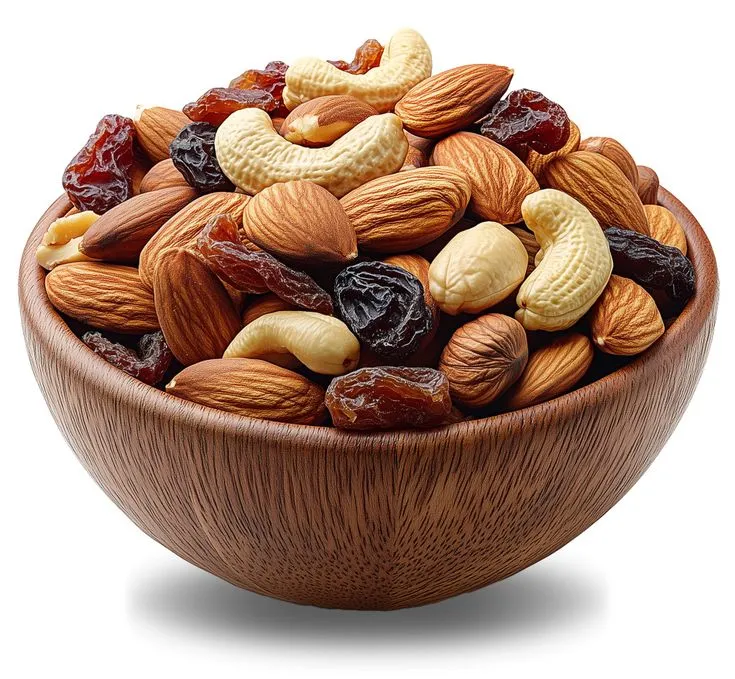
Keep almonds, cashews, raisins and dates in separate containers. Sticky dried fruits can transfer moisture to crunchy nuts, and if one batch starts to spoil, it will not ruin the rest.
Use Clean, Dry Spoons
Never dip a wet or used spoon into the jar. Even a few drops of water can lead to soft nuts or mould spots within days.
Pantry, Fridge or Freezer: Where to Store Dry Fruits
Where you keep your dry fruits depends on how quickly you will finish them. Use this quick guide as a starting point.
WhereBest forHow to do it Kitchen cupboardPacks you will finish in a few weeksAirtight jar, away from heat, light and spices RefrigeratorBulk packs, warm or humid monthsAirtight container to block moisture and fridge smells FreezerLarge stocks you will not use for monthsSmall portions in freezer bags, air pressed out How Long Do Nuts Last?
Exact shelf life depends on the nut, how it was processed and your climate, so always check the best-before date on the pack. As a general guide, US food retailer Harry & David suggests that nuts keep for about six months in the fridge and up to a year in the freezer when sealed well. At room temperature in a warm Indian kitchen, aim to finish opened packs much sooner.
Tips for Fridge and Freezer Storage
- Portion before freezing: freeze in small bags so you only thaw what you need.
- Let them come to room temperature: keep the container closed while it warms up, so condensation does not form on the nuts.
- Re-crisp if needed: a few minutes in a dry pan on low heat brings back the crunch of slightly soft nuts.
How to Store Popular Dry Fruits
Most dry fruits follow the golden rules, but a few need a little extra care.
Almonds
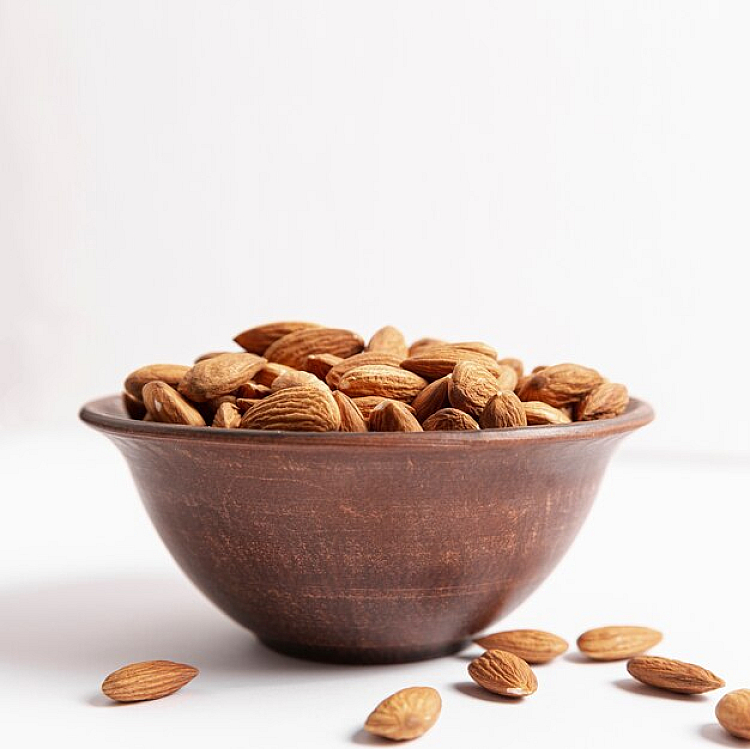
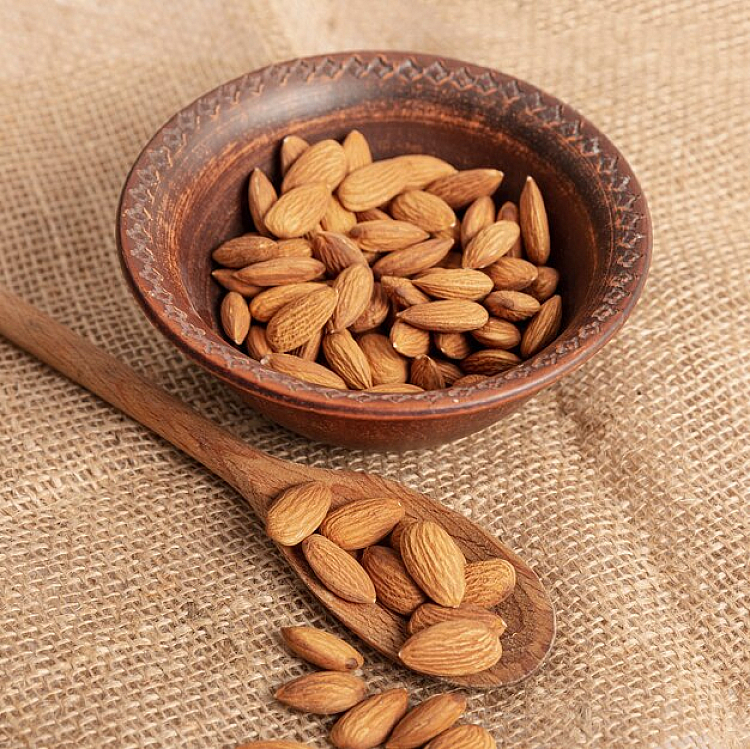
Almonds are among the hardiest nuts. Whole almonds last longer than sliced or slivered ones, because less surface is exposed to air. Keep plain almonds in an airtight jar, and soak only what you will eat the next morning. Soaked almonds should be eaten within a day or kept in the fridge.
Cashews
Cashews have a higher fat content, so they turn rancid faster than almonds. In warm months, store opened packs of cashews in the fridge and use them within a few weeks.
Flavoured Nuts
Seasoned options like Peri-Peri Cashews or Barbeque Almonds lose their crunch quickly once air gets in. Seal the pack tightly after every use, or move them to a jar, and keep them away from moisture so the seasoning does not clump.
Walnuts and Pistachios
Walnuts are delicate and can taste bitter quickly, so the fridge is a good home for them. Pistachios keep better in their shells; store shelled ones in an airtight jar.
Raisins, Dates, Figs and Apricots
Dried fruits are sweet and slightly moist, so they attract insects and can clump in humid weather. Keep them in tightly sealed containers, and refrigerate them during the monsoon. If raisins harden, soak them in warm water for a few minutes before using them.
Makhana
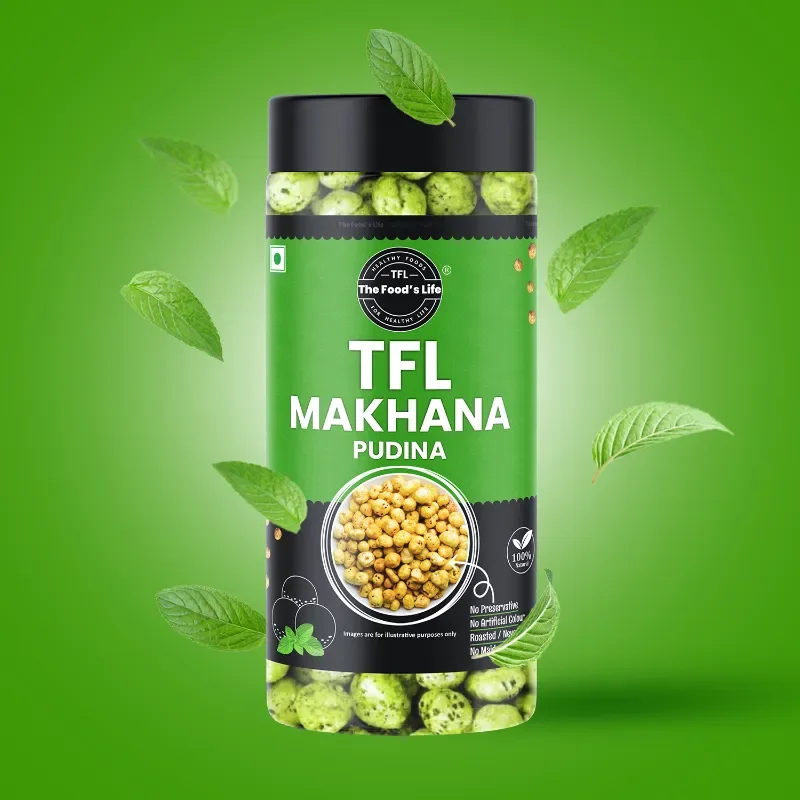
Roasted makhana absorbs moisture quickly and loses its crunch. Store makhana in an airtight jar, and dry-roast it for a minute or two if it turns chewy.
Enjoying this read? Get more like it.
Get fresh snack inspiration and updates from our team.
Storing Dry Fruits During the Monsoon
High humidity is the biggest enemy of crunchy nuts in India. A few extra steps help during the rainy season.
- Buy smaller packs: finish them faster instead of keeping a big pack open for weeks.
- Keep the lid on: open the jar only when you need it, and close it straight away.
- Move bulk stock to the fridge: cool temperatures slow down both moisture and spoilage.
- Check regularly: look for clumping, soft texture or tiny insects every week or two.
How to Tell If Nuts Have Gone Bad
Your senses are the best test. Throw nuts away if you notice any of these signs.
- Smell: a sharp, sour or paint-like odour instead of a mild nutty one.
- Taste: bitter or soapy flavours. Spit out a nut that tastes off.
- Look: mould, dark spots, a shrivelled appearance or webbing from insects.
- Texture: very soft or rubbery nuts that do not crisp up again with gentle roasting.
A stale nut that has simply lost its crunch is usually safe and can be re-crisped. A rancid or mouldy one should go in the bin.
Frequently Asked Questions
Should dry fruits be kept in the fridge?
For short-term use, a cool cupboard is fine. For bulk packs, or during hot and humid months, the fridge helps nuts stay fresh for much longer. Always use an airtight container so they do not absorb moisture or smells.
Can I freeze almonds and cashews?
Yes. Freezing is a good option for large stocks. Pack them in small portions with as little air as possible, and let them come to room temperature in the closed container before opening.
Which container is best for storing dry fruits?
Glass jars with tight lids, sealed steel containers and zip-lock pouches all work well. The most important thing is an airtight seal.
Why do my nuts become soft?
Nuts turn soft when they absorb moisture from the air, usually because the container was left open or the weather is humid. Dry-roasting them on low heat for a few minutes can restore the crunch.
How do I know if cashews are rancid?
Rancid cashews smell sharp or sour and taste bitter. If the smell or taste is off, throw them away rather than eating them.
Do dry fruits expire?
Yes. Dry fruits last a long time, but their oils and texture change over time. Check the best-before date on the pack and follow good storage habits to keep them fresh until then.
Is it okay to store different dry fruits together?
It is better to store them separately. Moist dried fruits can soften crunchy nuts, and if one type spoils, it will not affect the others.
Keep Your Dry Fruits Fresh and Crunchy
A little care goes a long way: an airtight jar, a cool and dark shelf, the fridge for bulk packs and a quick sniff test now and then. Follow these simple habits and every handful will taste as good as the day you opened the pack.
Stock up on fresh dry fruits and flavoured nuts from The Foods Life, and if you are planning festive gifts, explore our healthy Diwali gift hamper ideas.