
Traditional Indian crunchy snacks, Khakhra and Papad, have long been found in kitchens all over India. Both made with ingredients found in your pantry (whole wheat flour, lentils, and spice), khakhra and papads have light flavours that vary by region.Despite being low in calories, they pack in the taste while remaining easy to digest. Khakhra & Papad is an excellent choice of snacking or serving with any meal throughout the day for people of all ages. There are many varieties of Khakhra available, ranging from plain wheat khakhra to masala khakhra, as well as the classic Urad dal Papad and the lighter versions of Rice and Moong dal Papads, so each bite adds the crunch, flavour, and tradition of India into every person's party or everyday plate!
Understanding Khakhra and Papad: Traditional Indian Crunchy Delights
The two most popular dry Indian snacks, Khakhra & Papad, are essential components of EVERY kitchen in India. Both Khakhra & Papad are made from similar ingredients (flour, dals, & spices/herbs), but Khakhra is typically dried rather than fried, making it lighter and more enjoyable than Papad. Khakhra is well-known as an airy and crispy snack with a very long shelf life, while Papad can provide a quick crunch and flavor boost to any meal. The combination of Khakhra + Papad exemplifies the Indian approach to food by giving us tasty options that are easy and provide balance in our diets.
What Makes Khakhra a Timeless Indian Snack
Traditionally, Khakhra has been the snack of choice for Gujaratis for centuries, primarily because it is so easy to prepare and the many different varieties in which it can be used makes this a wonderful snack.
Why Khakhra is so Special:
- Primarily made from whole wheat flour (the healthy choice)
- Roasted slowly, resulting in a dry & crispy texture without being greasy
- Highly digestible & suitable for all age groups
- Offered in a variety of flavors (plain, jeera, methi, masala, etc.)
- Can be had alone or served with chutney, yogurt, or tea
Being so light and having a long shelf life, Khakhra is an ideal snack option for everyday use and travel.
Papad as a Crispy, Flavorful Staple in Indian Meals
Papad has a unique function in the world of Indian food; it gives you a quick and easy way to add an instant crunchiness and flavor to any dish.
What Makes Papad So Popular?
- Papads are commonly made from lentils like urad, moong or from rice flour.
- Papad is usually gluten free, so it can be enjoyed by people on a gluten-free diet.
- Papads can be served as appetizers or side dishes to a main course.
- Papads can be cooked using many methods, including roasting, air frying, and microwaving.
- Papad is an excellent accompaniment to dal, rice, curries, and salads.
Papad is traditionally served during lunchtime or dinnertime but is also very popular during festivals and family gatherings.
Why Khakhra and Papad Remain Popular Across Generations
Khakhra and papad are both very popular snacks that have stood the test of time because both products fit perfectly into a modern-day lifestyle and a traditional-style lifestyle.
What Makes Khakhra and Papad So Popular?
- Both require very little time and preparation to make.
- Both are great for a quick on-the-go snack or as part of a meal.
- Both are inexpensive and widely available.
- Both can be made to suit the taste of each region of India.
- Both khakhra and papad are \enjoyed by children, adults, and the elderly.

The Health Benefits of Including Khakhra and Papad in Your Diet
Khakhra and Papad provide more than just crunch. Khakhra and Papad are both very light traditional Indian snacks that, when prepared in moderation, can supply us with nutritionally important nutrients, aid digestion/indigestion and help ensure that we maintain a good balanced diet on an everyday basis. The fact that these products are roasted/dry cooked means that they are healthier than fried snacks and therefore suitable for use by people of all ages.
Nutritional Advantages of Khakhra – Fiber, Low Fat & Good Carbs
Khakhra is a traditional Indian snack made from whole wheat flour that is roasted at a low temperature over a long period of time to maintain its nutritional value while minimizing the amount of fat added during frying (picked up during the roasting process). The result is a wholesome, nutritious snack that can provide stable, sustained energy over time.
A) Khakhra offers many benefits, including:
1. High in Dietary Fiber - aids in digestion;
2. Complex Carbohydrates - provide prolonged levels of energy;
3. Low in Fat - due to roasting versus frying;
4. Easy to Digest and Suitable for All Ages.
B) Khakhra can be enjoyed as:
1. Breakfast/Light Snacks;
2. Evening Light Snacks;
3. Healthy Travel Food.
Papad Health Benefits – Gluten-Free Options & Light Crunch
Papad is a type of Indian lentil-based food that is a great source of plant-based protein (e.g., urad, moong, or chana dal). Many varieties are gluten-free, which makes them appropriate for people with gluten sensitivity.
The main advantages of papad include
- It provides a good source of plant protein
- It is available in gluten-free varieties (urad, rice papad)
- It is light and crispy, so it fills you up without weighing you down
- It adds flavour and texture to your meal without adding a lot of calories
It is best to eat papad after roasting or air-frying, as opposed to deep-frying it.
Why These Snacks Are Great Low-Calorie Choices
Khakhra and papad are both great options for low-calorie snacks when they are prepared and eaten properly and used as alternatives to fried potato chips or other processed snack foods.
Some of the major reasons why khakhra and papad are great options for daily diets are:
- They allow for easy portion control
- They can satisfy a craving for something crunchy with minimal ingredients, fewer preservatives
- They fit well into weight-conscious and mindful eating lifestyles.

Diverse Varieties to Tempt Your Taste Buds
Khakhra and papad are snacks that offer a variety of flavour profiles, ingredients and regional styles. They can be eaten as a light snack; alone or served with a meal; at a party; with one's coffee, tea or hot drink. Khakhra and papad come in an endless array of flavours, giving you a chance to experiment with the different types of khakhra and papad. Their variety reflects the culinary diversity of India and they remain popular because they never seem stale.
Popular Khakhra Flavors – From Classic to Fusion
Khakhra comes in many flavours, and they are all about the crunch and flavour of the wheat flox. Each flavour is unique and adds to the overall experience of khakhra.Khakhra uses wheat flour, which is naturally gluten-free, in its production.
A) Khakhra comes in many flavours:
- Plain Wheat Khakhra – Mild taste that's good for everyday use
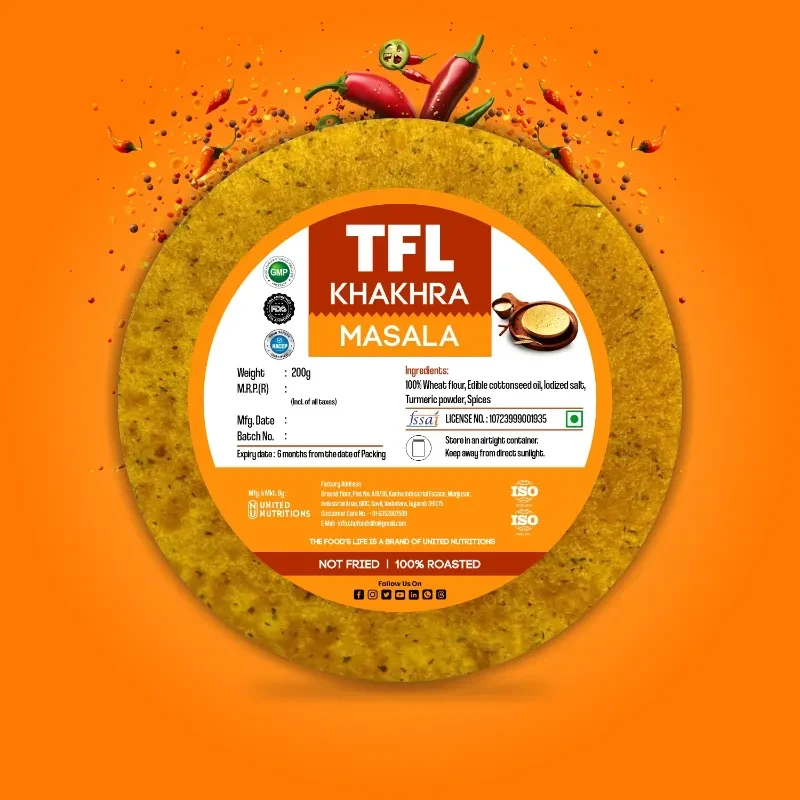
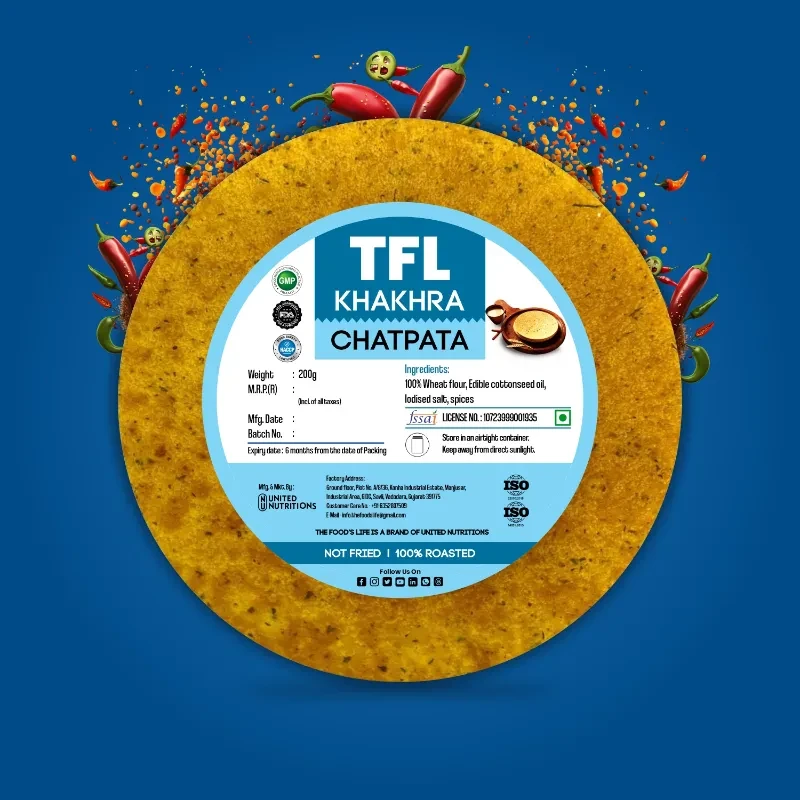
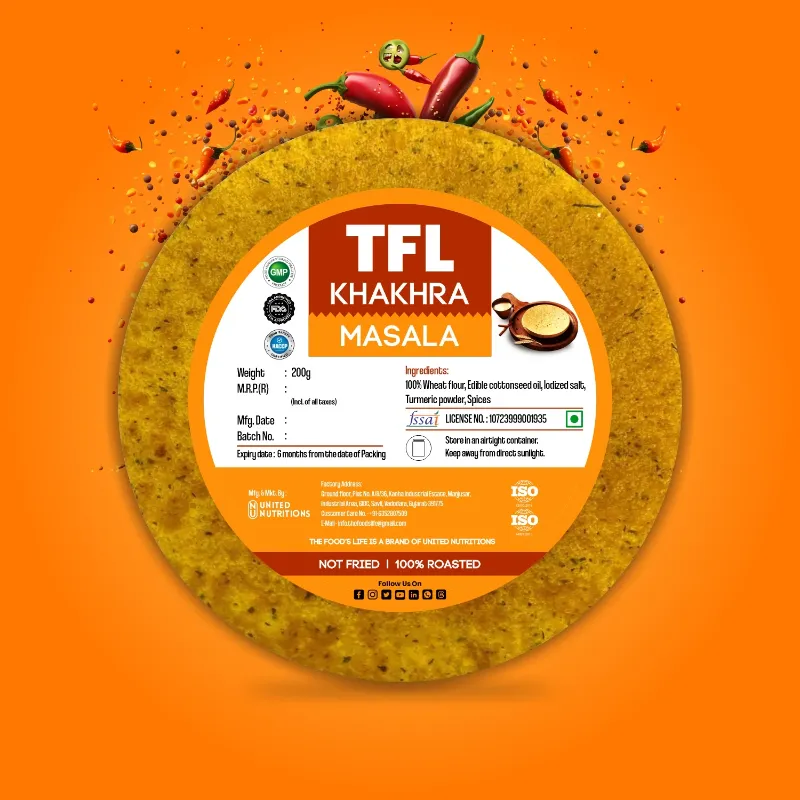
- Masala Khakhra – An overwhelming spiced treat with an Indian Masala flavour
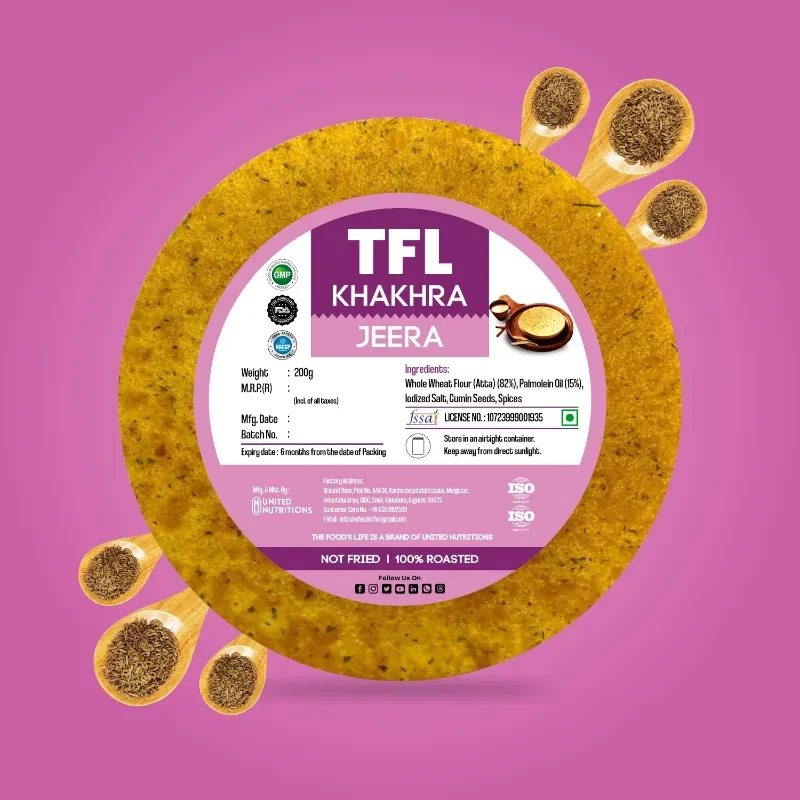
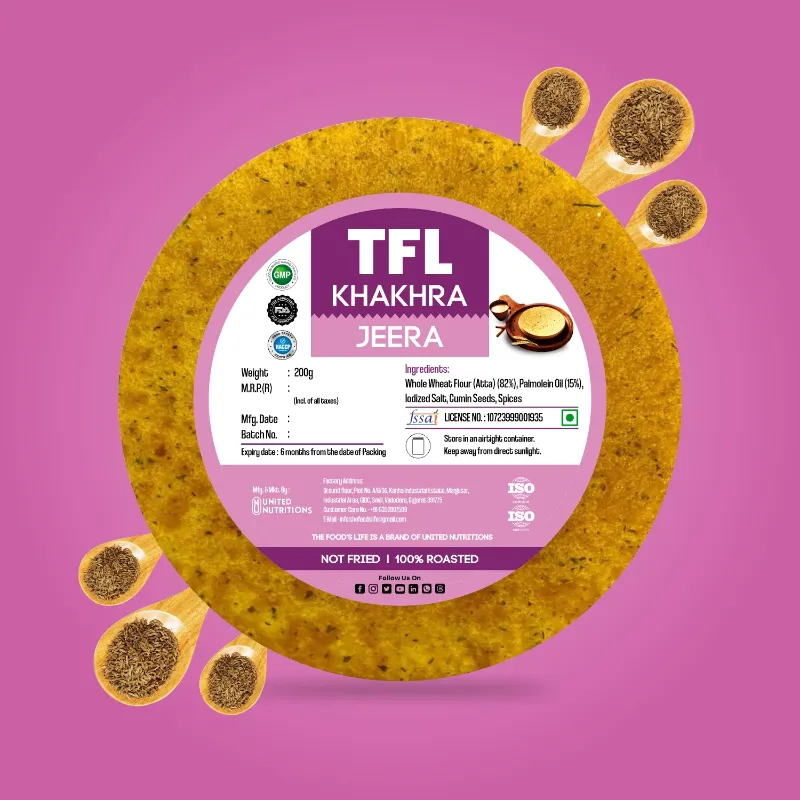
- Jeera (Cumin) Khakhra – Mildly flavored but still very flavorful, will have you smacking your lips! Easy to digest!
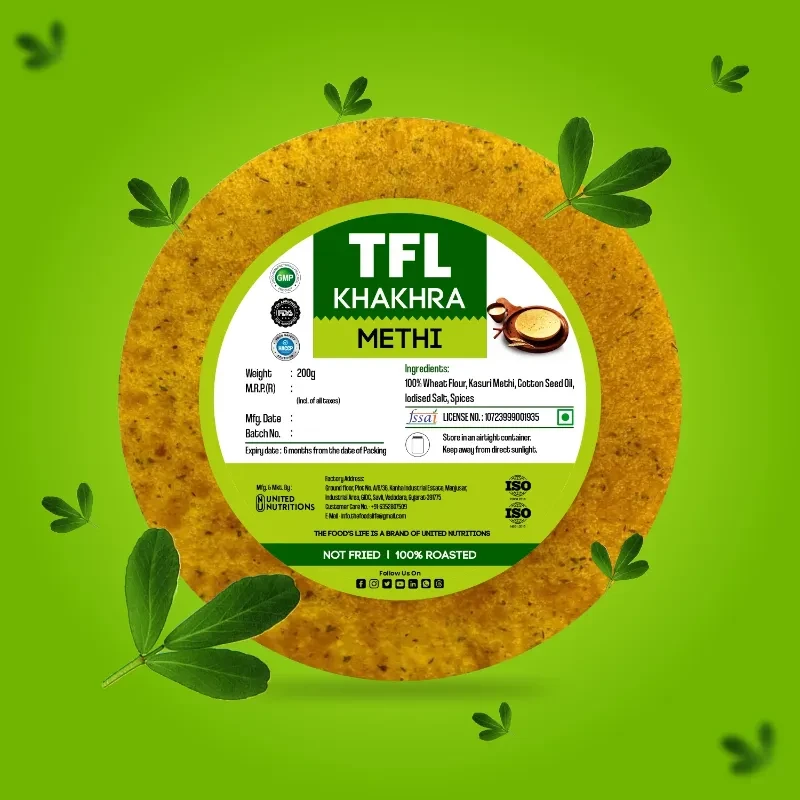
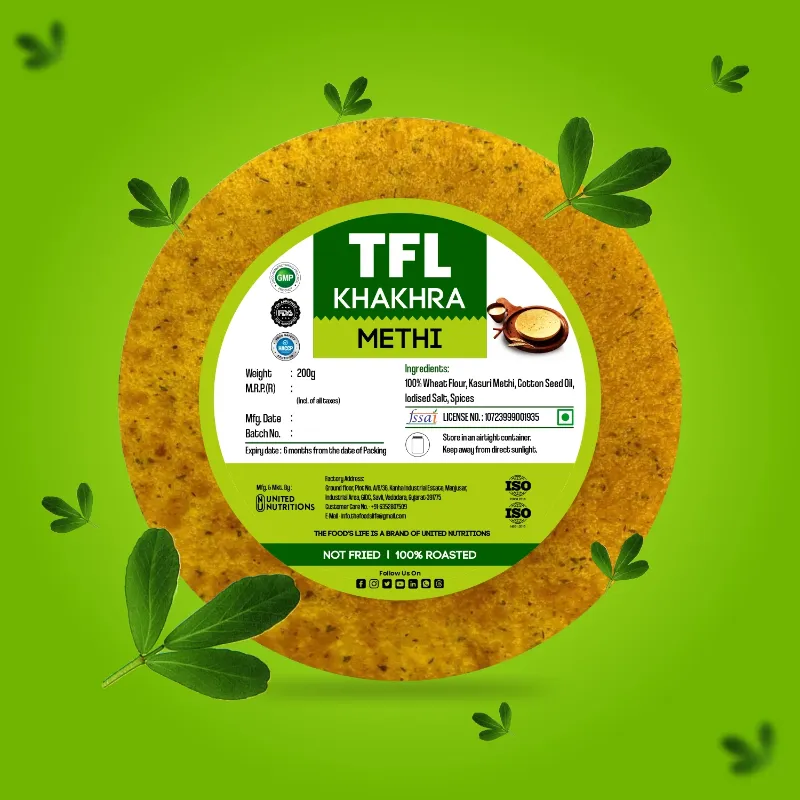
- Methi (Fenugreek) Khakhra – A good healthy alternative! Slightly bitter flavour, full of nutrients, delicious!
Other Fusion Flavours – For the more modern food lover, this khakhra has your cheese, pizza, peri-peri, and garlic!
B) Things to Know About Khakhra:
- Khakhra have an extremely LONG SHELF LIFE
- Khakhra are made with NO/LOW OIL (they are ROASTED)
- Khakhra are perfect for tea-time, travel or as quick snacks.
Different Types of Papad – Urad, Moong, Chana & Rice Papad
Papads are available in so many varieties because they can be made out of many different lentil and grain combinations. You will find a number of different flavors as well as textures with each type of papad. For this reason, papad can be included with most types of meals or snacks.
Why Papad is Essential in the Kitchen
- Quickly and Easily Roasted or Fried
- Complimentary to Meals, Chutneys, and Salads
- Provides Crispiness Without Being Heavy

Regional Varieties That Add Richness to Khakhra and Papad
Different parts of India provide their individual flavors and cultural tastes to the khakhra and papad of the region.
1. Regional Variety Highlights
- Gujarati Khakhra – Created to be thin and roasted in an even manner with a mild spicing.
- Rajasthani Papad – Known for their spiciness and bold flavors.
- South Indian Rice Papad (Appalam) – Known for being Light, Airy, and Crispy.
- Punjabi Masala Papad – Created with Toppings of Onions, Tomatoes, and Spices.
2. Why Regional Varieties are Important
- Represent local ingredients and traditions.
- Provide Unique Flavor Profiles and Textures.
- Provide authenticity and depth to Daily Snacking
How to Serve Khakhra and Papad: Creative Ways to Enjoy These Crunchy Treats
Khakhra and papad are a very flexible snack that one can consume in traditional ways, but one can also bring out their potential by being creative. They are light-textured, crispy, and have a neutral base, making them also appropriate for everyday as well as festival meals and fusion recipes, as well. One can eat khakhra or papad either plain, with a chutney, or topped with other ingredients to give one some additional crunch and taste to an occasion without having to do too much work preparation to make a dish using these items. They lend themselves to a variety of consumption, including being incorporated into many different types of recipes, such as those found in Indian cooking, snack or appetizer recipes, and party foods.
Everyday Serving Ideas for Khakhra and Papad
Khakhra and papad can be consumed every day with little-to-no effort. In fact, they are quick to prepare and eat as snacks or part of a meal.
Ways to consume khakhra and papad in the most basic fashion are:
- Serve khakhra as a light snack during the morning or evening with tea or coffee.
- Use roasted or microwave papad as a complement to dal-rice or khichdi.
- Break khakhra into pieces and combine with curd for a very light, filling option.
- Combine papad with chopped onions and tomatoes with spices for a very easy-to-make masala papad.
These options keep meals light, tasty, and satisfying.
Party Appetizers & Fusion Recipes Using Khakhra and Papad
Khakhra or papad makes a great appetizer for social gatherings as well as celebrations.
Fun party planning ideas include:
- Using khakhra to create mini canapés with various raw or cooked vegetable toppings
- Creating khakhra chaat by adding yogurt, chutneys and crunchy chutneys on top of the khakhra
- Shaping papad into a cone or cup and filling it with raw sprouts or salad vegetables
- Crushing papad and sprinkling it on curry or snacks for added crunch
These modern ideas combine traditional foods with interesting presentations and are always crowd-pleasers.
Dips, Chutneys & Toppings to Elevate Crunchy Snacks
Using different types of dips or spreads will enhance the flavour of khakhra and papad.

Sourcing the Best Quality Khakhra and Papad: What to Look For When Buying
It is evident that choosing high-quality khakhra and papad will have a great impact on how they taste, how crunchy they are, and ultimately how much you enjoy eating them. Since both khakhra and papad are based on very few ingredients and use a traditional method of preparing them, freshness and authenticity are major factors in determining quality. By learning what to look for, you can make sure you buy khakhra and papad that are always crisp, tasty, and safe to eat, regardless of whether you're using them for everyday meals, special events, or healthier snacks. There are several easy ways to identify high-quality khakhra and papad based on ingredient transparency, as well as their texture and aroma. You can use these checks to help determine which khakhra and papad are good choices.
How to Identify Fresh, Authentic Khakhra
Authentic khakhra made from fresh ingredients should have the following characteristics which demonstrate that they were made using a traditional preparation process (that is, evenly roasted and very thin).
Some key indicators of high-quality khakhra include:
- A uniform light brown color with no dark-burned areas.
- Crunchiness. Good quality khakhra or papad will snap cleanly when broken, not bend before breaking.
- A subtle aroma of the wheat and/or spices that have been included in making the product, and will not smell of oil or stale.
- Produced using very simple ingredients (e.g., whole wheat, spices, and small amounts of oil).
- Free of excessive preservatives or any artificial flavors.
Suggestion: Authentic khakhra is typically made by roasting on very low heat and will appear to be addressed by having a dry, non-greasy finish. Because of this, the product will have a long shelf-life.
Choosing the Best Papad Brands for Consistent Quality
The quality of papad is based on the quality of beans and how well they were prepared/cooked/roasted. When making your purchase, it is preferable to buy from a trustworthy brand, as they will provide consistency in the way their papad is produced, in terms of thickness, seasoning, and quality of papad.
When purchasing papad, you should look out for:
1. Authentic lentil varieties (urd, moong, rice) to use as your base.
2. The thickness of your papad should be consistent so that it will roast and fry evenly.
3. All-natural/real ingredients without having an overpowering chemical odor.
4. A minimum of breakage inside the bag.
5. Well-established brands that still produce using the same traditional methods of preparation.

Homemade vs Store-Bought: Which Is Better and Why?
There are pros and cons to both homemade and store-bought khakhra and papad. Both options will have their pros and cons based on the convenience of how and what you would like.
a) Homemade:
1. You can control the density and quality of your ingredients.
2. No preservatives
3. Fresh, customizable flavour into your finished product.
4. It does take more time and preparation to make at home.
b) Store-Bought:
1. Time-saving and easy to buy.
2. Can find many varieties and flavours.
3. Have an increased shelf life.
4. It is best to buy from reputable companies.
c) The ideal option:
1. If you are looking for daily convenience, then store-bought khakhra and papad are very high quality.
2. On special occasions, or when the need for dietary restriction arises, making your own, homemade options is the best option.
The Cultural Significance of Khakhra and Papad in Indian Cuisine
Khakhra and papad are classic snacks of India that are an important part of regular meals, celebrations and cultural traditions throughout India. Both khakhra and papad are passed down through generations, and represent the simplicity, resourcefulness and regional flavours of everyday cooking in India. Khakhra and papad can be found on everyone’s plate, whether you are having your daily meal or enjoying a special holiday feast; therefore, both these snacks represent family and tradition and not just a quick snack.
Their Role in Gujarati & North Indian Culinary Traditions
Khakhra has a strong foundation in the kitchens of Gujara; it is often eaten for breakfast or paired with tea as a snack.In North India urad dal papad is typically used as a crunchy side with many different types of Indian cuisine.
- Khakhra is a method of long-term storage of slowly roasted foods.
- Papad provides an added texture and taste to Northern India's traditional thali.
Emerging from traditional kitchens has given rise to two products that make up some of the staples of all home-cooked meals.
Khakhra and Papad in Festivals, Meals & Family Gatherings
Khakra and Papad are present nearly every time we gather together as a family.
- Before we start feasting, we usually enjoy Khakhra and Papad as starters.
- They can also be enjoyed as side dishes, along with chutney and pickles.
- Some of the most popular ways we serve these snacks are in "Festival Thali"
- When we come together for special events, such as a wedding or puja, many people will also include Khakhra and Papad with their meals.
- Khakhra and Papad are very easy to prepare and serve to large groups of people.
Because they are light and crunchy, Khakhra and Papad are very popular among all ages.
How These Snacks Reflect India’s Rich Food Heritage
- Khakra and Papad are classic examples of traditional Indian cooking—using simple ingredients, very little oil, and adhering to the traditional methods of cooking.
- They also illustrate the diversity of Indian cuisine while sharing a common love for crunchy, flavourful snacks.
- Khakhra and Papad are made using locally available grains and lentils, and prepared using traditional dry-roasting methods.
These snacks are able to maintain their quality without needing refrigeration.

Khakhra and Papad have been passed down from generation to generation as family recipes.
FAQs:
Q1. What is the main difference between khakhra and papad?
Khakhra is a roasted wheat-based snack, while papad is a thin, crispy disc made from lentil flour.
Q2. Are khakhra and papad healthy snack options?
Yes, khakhra is low in fat and rich in fiber, and papad is light and often gluten-free when roasted.
Q3. Can I make a khakhra papad recipe at home?
Absolutely! Both khakhra and papad can be easily prepared at home using simple ingredients and roasting methods.
Q4. Which flavors of khakhra are most popular?
Plain wheat, masala, jeera, methi, and multigrain khakhra are the most popular choices.
Q5. How can I serve khakhra and papad for guests?
Serve them with chutneys, dips, salads, or use them as crunchy starters and meal accompaniments.
Conclusion: Make Room for Khakhra and Papad—Elevate Your Snacking Experience Today!
Khakhra and Papad are not just crunchy snacks but also representative of the many tastes, traditions and simplicity of Indian cuisine. The two foods consist of many different wholesome ingredients, have a traditional preparation method, and provide a satisfying yet light crunch to any regular meal. They may be eaten as a snack with tea, as part of lunch or dinner, or served to guests before or after a meal. As a snack, both Khakhra and Papad provide an easy way to enjoy something you know well and feel at home with.
Khakhra and Papad’s true uniqueness lies in their versatility. There are many varieties of both items, many of which include many combinations of wheat and masala or various types of lentils (Urad and Moong); therefore, your options are endless. You can serve Khakhra and Papad with Chutneys, Salads, Curd, etc., or you can get creative and make new fusion type recipes using Khakhra/Papad. You can eat them not only at home during normal meal times, but you can also include them when having a celebration or a festival at home.
When you stock your kitchen with Khakhra & Papad, you are creating room for yet another option to snack and have something delicious that is rooted in Indian culinary heritage. You can have fun snacking while also feeling good about not having eaten too much junk food since both types of snacks can be very satisfying without feeling heavy or unhealthy. Store some in your pantry and add to your snacking experience each time you eat a crunchy bite!


 +91 63528 07509
 sales@thefoodslife.com
 225, Orchid Plaza, Sama-Savli Rd, behind McDonald's, Vemali, Vadodara, Gujarat 390008