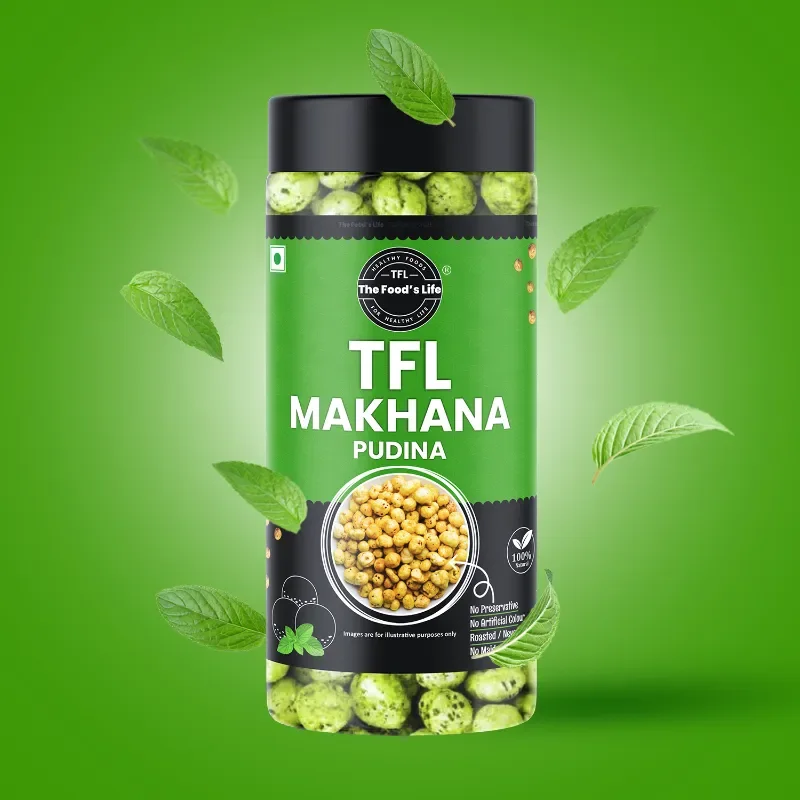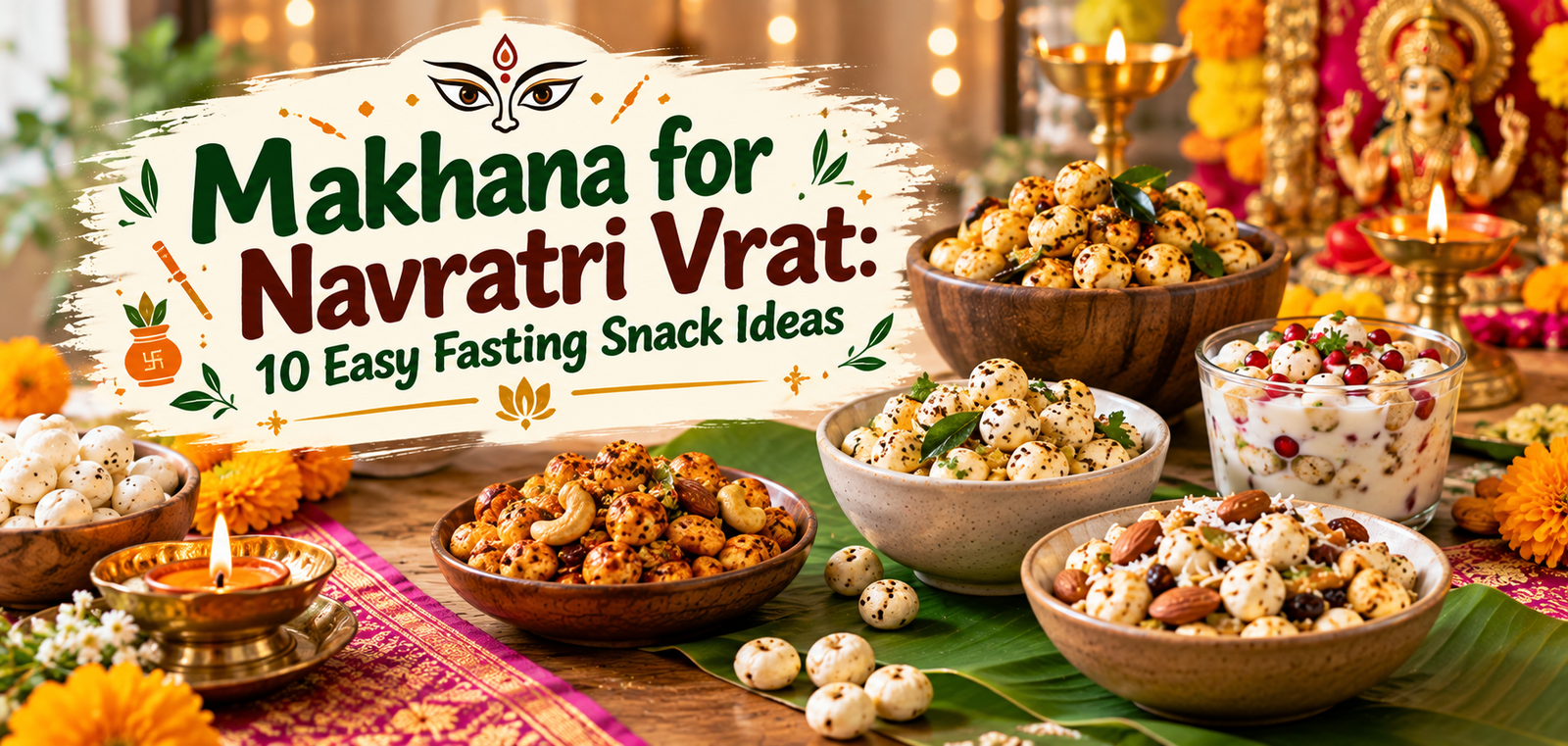
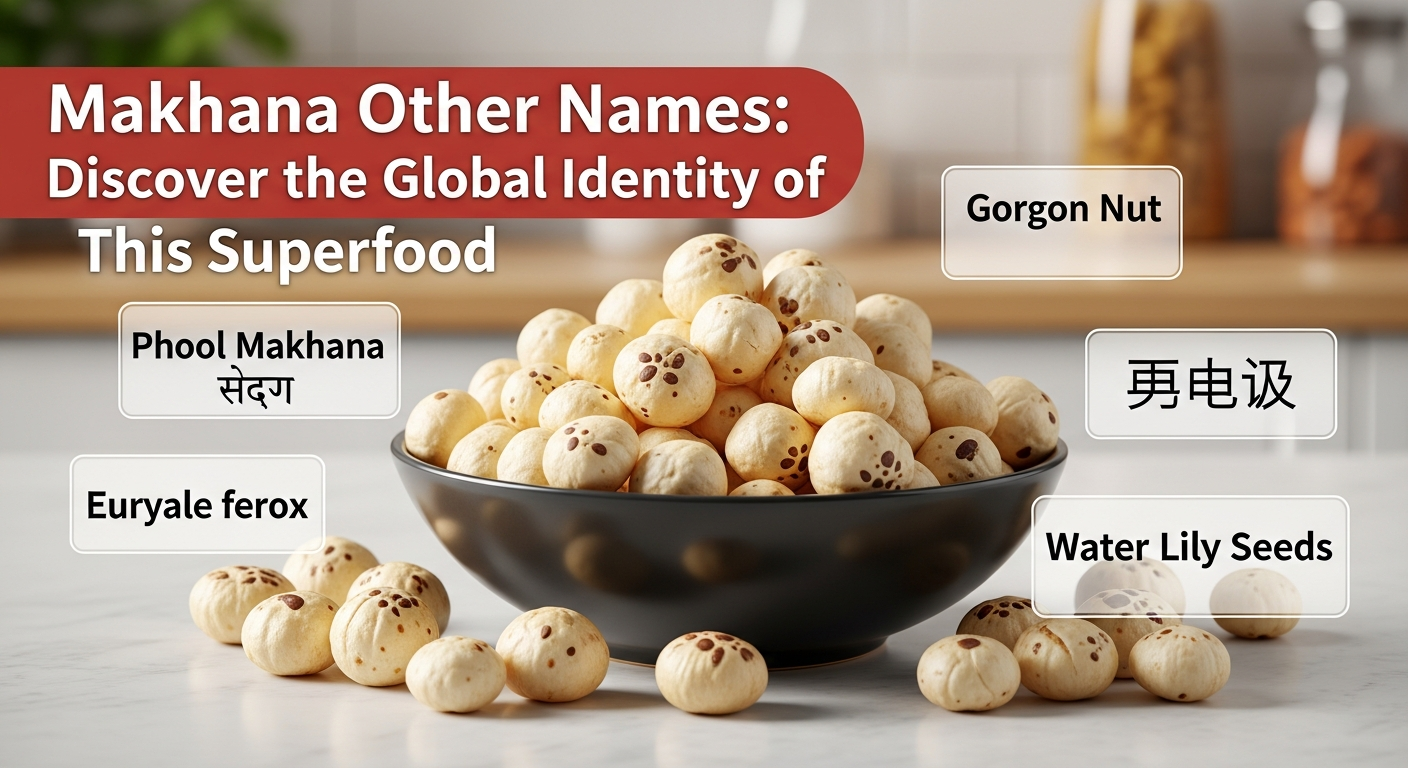
Makhana is a highly nutritious, naturally occurring, plant-based superfood that has been a staple in the diets of the people of India since ancient times. Although there are various regional names for makhana; they all refer to the same item with a number of important benefits, such as a light texture, clean nutrition, and easy digestibility. Additionally, due to its uniquely composed and mineral-dense structure, makhana has gained widespread popularity outside the kitchens of India.
When people search for makhana other names they typically find the two most used names are fox nuts and lotus seeds, which are both derived from the lotus flower that provides the plant from which the crop is harvested. Around the world fox nuts has become the most commonly used name for makhana, especially among health food retailers; however, lotus seeds describe the plants' unique genetic origins and the fact that it is an all-natural food.
Regardless of whether you refer to makhana as makhana, fox nuts, or lotus seeds, this nutrient-dense superfood is still a powerhouse of nutrients that will provide consumers with an abundance of nutritious food options. Low in fat, high in minerals, and highly versatile, makhana remains a top-tier healthy snack choice for consumers with modern-day lifestyles.
The Botanical Origin and Classification of Makhana
As well as being a healthy snack option, Makhana has an interesting botanic history which explains why it is known by various names worldwide. When searching for Makhana on the internet people usually come across alternative names such as "fox nuts" or "lotus seeds". These names derive from the way in which Makhana grows and is harvested. Makhana's ability to grow in water and its traditional harvesting method make this super food very special.
Euryale ferox: The Scientific Name of Makhana
Makhana is derived from a flowering water plant known as Euryale Ferox; this plant has unique characteristics that set it apart from other water plants.
Makhana is classified as...
- A member of the Water Lily Family (i.e., the Family Nymphaeaceae)
- Grows naturally in ponds and wetland environments
- Makhana is produced by harvesting, drying and popping the seeds of this plant.
Naming differences arise as follows:
- Common International Name: "Fox Nuts" (name used primarily in health food markets)
- Common Name: "Lotus Seeds" (name used because of their resemblance to lotus flowers in water)
- Indian Traditional Name: "Makhana"
How Makhana Grows in Aquatic Conditions
Makhana Cultivation is inextricably linked to the cultivation of water-based crops.
The Development Cycle:
- Makhana can only be cultivated in stagnant freshwater bodies.
- Thorny aquatic vegetation produces makhana seeds.
- Makhana is collected and harvested manually by highly trained farmers.
The Benefits of This Process:
- There is very little reliance on chemical use during this process.
- Makhana is naturally hygienic and environmentally-friendly.
- Since the processing of makhana is minimal, it retains all natural nutrients.
The development cycle for this crop is responsible for the purity attributed to lotus seeds and fox nuts.
Global Popularity and Recognition
Makhana was once exclusively an Indian food item. Recently, however, the popularity of makhana has started to spread across the globe.
Reasons for the Increasing Popularity of Makhana Worldwide:
- Gluten-Free & Plant-Based Superfood
- Compatibility with Vegan & Clean Eating Diets
- Widely Known in Wellness Communities as Fox Nuts

Makhana Across India: Regional Names and Cultural Significance
In many parts of India, Makhana is used not just as a snack, but also as an important element of culture, with significant regional variations as well. When people search for other names for Makhana, they will often find that it is well known and very popular throughout the world; however, this does not mean that it has lost its significance to the people of India.
As Makhana has various names in different parts of the world (ie: "Lotus Seeds" botanically, and "Fox Nuts" in the global market), this product continues to be a staple in Indian kitchens, ceremonies and cultures.
Phool Makhana in Hindi and Other Indian Languages
Makhana in North India is popularly known as Phool Makhana in Hindi, which translates to "flower seeds."
Some other common names are as follows:
- Hindi - Phool Makhana
- Punjabi - Makhane
- Gujarati - Makhana
- Marathi - Kamal Beej (Lotus Seeds)
Cultural Significance:
- Makhana is used for fasting (vrat) foods, considered to be a sattvic or pure product, and is often eaten during holidays and religious gatherings, etc.
- Makhana has many names and typically refers to the lotus from which it comes, hence the association to lotus seeds.
Makhana in Bengali and Other Indian Languages
In the region of eastern India, specifically in regions of Bihar and West-Bengal, Makhana is considered to be an integral part of daily cuisine.
Regional Usage of the word Makhana:
- Bengali Language: Makhana
- Odiya Language: Makhana
- Maithili/Bhojpuri Languages: Makhana (This product has been produced locally and consumed)
Reasons for the term Makhana to be of Importance to the Regions Above:
- Bihar is among the largest regions producing Makhana in India
- Makhana is commonly used as a major ingredient in traditional Indian Sweets and Curries
- Bihar considers Makhana as an important nutritional item during holidays and meals with family, thereby generating its national visibility prior to achieving international popularity under the tagline of Fox Nuts.
Local Snacks in India Made with Makhana
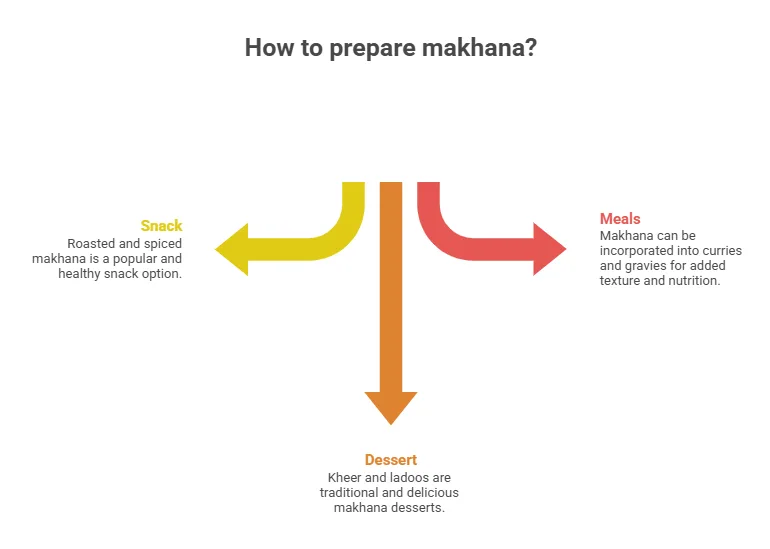
The mild taste of Makhana has made the snack one of the most preferred snack items, as it can be consumed not only in savoury dishes, but also in sweet dishes prepared in Indian cuisine.
Some of the most popular types of snacks that are made using Makhana include:
- Roasted Masala Makhana
- Makhana Kheer (a sweet dessert)
- Makhana Curry (Sabzi)
- Spiced Makhana Chaat
What Makes a Makhana Snack Recipe a Successful Recipe?
- It absorbs spices well
- It is light on the digestive system
- All ages can enjoy this snack.
Makhana Around the World: International Names and Uses
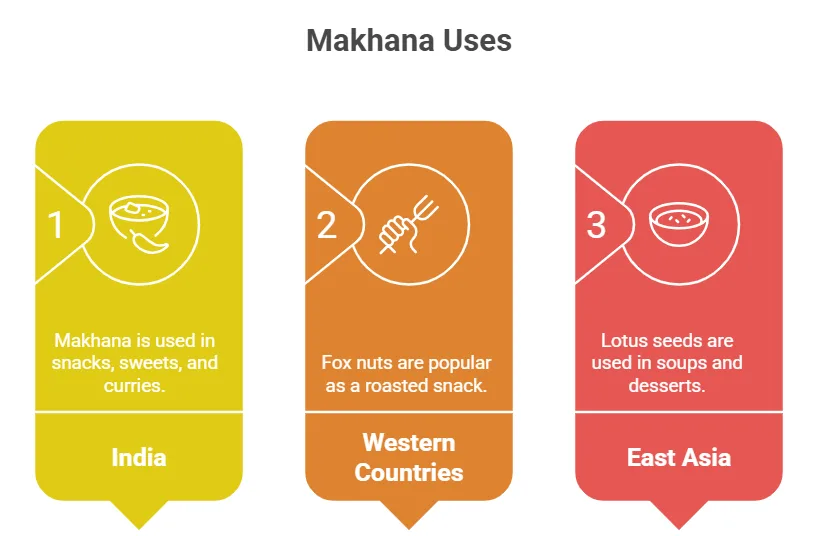
Previously found primarily in Indian homes, makhana is now recognised and used in various food cultures internationally; when searching online for "makhana" or a "different name for makhana", many people will discover that there are other terms including "fox nut," "lotus seed," etc., which all refer to makhana. Clean nutrition, a long shelf life and versatility are some of the keys to makhana's place among global food cultures and health trends.
Fox Nuts: The English Name for Makhana
In global health food store markets, makhana is generally marketed as "fox nut".
Summary
- Fox nuts are most popular in North America (USA and Canada), Europe (via UK).
- Many commonly sold flavour-controlled roast snacks.
- "Gluten Free" and marketed as a low-calorie snack.
Why it Works Globally
- An easy name to remember/catch.
- Associated with a clean eating and plant-based lifestyle.
- Sometimes marketed as a healthier alternative to popcorn.
Fox nuts as a global brand has allowed makhana products to grow beyond India.
Lotus Seeds and Their Role in Chinese and Japanese Cuisines
East Asian cuisine often refers to makhana as the seed of the lotus plant in its most traditional form.
Culinary Uses
- They may be added to broths or soups.
- They can be used in various desserts, and their properties are included in Traditional Chinese Herbal preparations.
- Many Eastern Asians value the balance and nourishing properties of lotus seeds.
Cultural Significance
- Lotus seeds are said to promote calmness and longevity, and therefore are incorporated into wellness diets of various Traditional Chinese Medicine Systems.
- Lotus seeds are preferred for their light digestion and energy-balancing qualities.
These comments help to understand why lotus seeds are considered both a food source and a functional food ingredient in many of the Asian cultures.
Global Superfood List: Makhana’s Rising Popularity
Makhana is one of many "superfoods" listed in a growing number of worldwide "superfood" lists.
Reasons for Makhana's increased popularity :
- Makhana is a naturally gluten-free and vegan food.
- Makhana is low fat and easy to digest.
- Makhana works well with current trends, such as "clean eating" and "mindful snacking".
Enjoying this read? Get more like it.
Get fresh snack inspiration and updates from our team.
Nutritional Value and Health Benefits of Makhana (Fox Nuts)
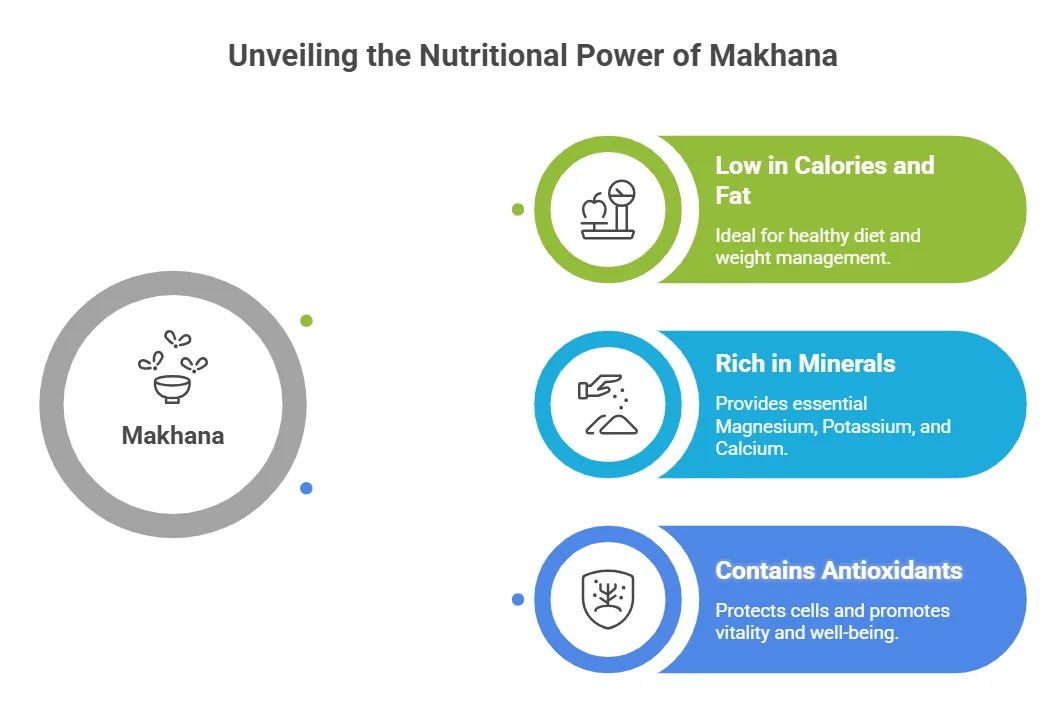
Makhana is often regarded as a nutritious and light superfood that has been included in traditional dietary cultures as well as being increasingly popular in today's health and wellness movements. Makhana is very high in nutritional value, providing a wide variety of beneficial nutrients while still being a very low-calorie food.
Makhana Nutrition Facts and Health Benefits
Makhana supports balanced nutrition while being easy on the digestive system.
Fox Nuts are recommended as an alternative daily snack to processed foods because of their Clean Profile.
Makhana as a Vegan Protein Source
Makhana is a plant-based protein source which is a valuable addition for those following a plant-based diet.

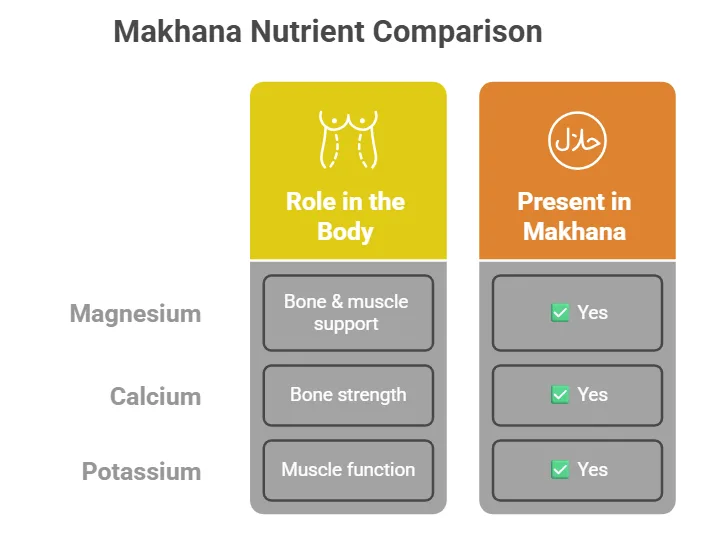
Magnesium-Rich Foods: Makhana’s Role in Bone Health
Magnesium plays a crucial role in maintaining healthy muscles and bones. Makhana, on the other hand, is a natural source of magnesium.
Benefits of Makhana for Bone Health
- Maintains or helps to absorb calcium.
- Maintains bone density.
- Reduces fatigue and/or cramps from muscle contractions.
How to Identify Makhana at Local Stores – Tips for Global Shoppers
As the demand for makhana has increased, shoppers across the planet are looking for different words that represent makhana, such as "fox nut" or "lotus seed". Understanding which qualities are characteristic of high-quality makhana will ensure that you will purchase a superior product that is as tasty and nutritious regardless of where you shop.
Buying Fox Nuts Internationally: Where to Find Makhana
Makhana is often referred to as "fox nuts" when sold outside of India.
Where You Can Buy Fox Nuts:
- At Health Food Stores/Organic Markets
- Asian/Grocery Markets
- Online Superfood/Wellness Sites
Things To Consider Before You Buy Fox Nuts:
- Look for the word "fox nuts" or "lotus seeds"
- Buy unflavoured/plain fox nut products
- Buy them in an airtight container to keep them fresh longer than buying them loose.
Identifying Quality Lotus Seeds for Healthy Snacking
High-quality lotus seeds (or makhana) can be easily distinguished from low-quality lotus seeds by checking the following aspects:

High-quality lotus seeds (makhana) will be evenly roasted, have an excellent taste, and make great snacks every day.
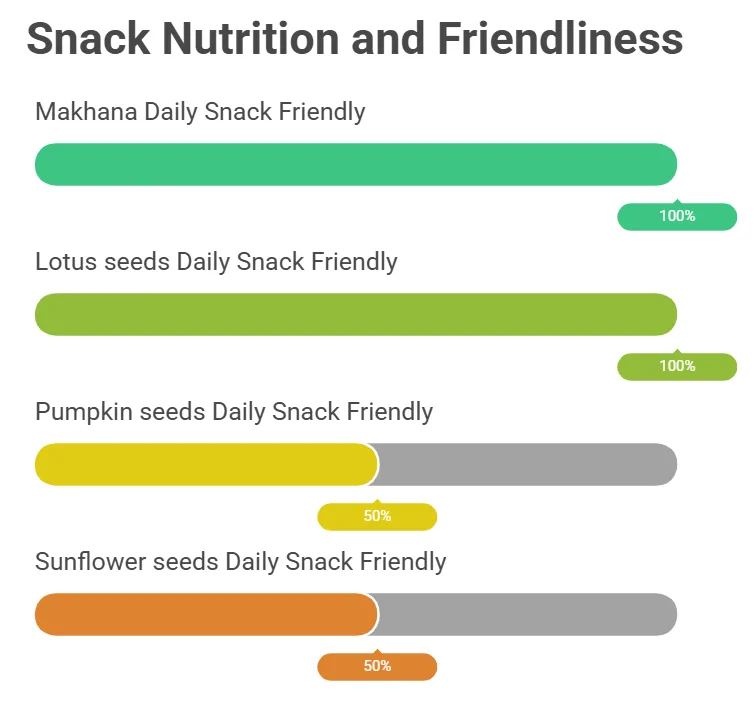
Makhana vs Other Seeds: Price and Quality Comparison
When compared to other popular seeds and snacks, makhana offers good value for nutrition.
FAQs
Q1. How is makhana harvested from ponds?
Makhana is harvested manually by collecting seeds from ponds, drying them, and then popping them using traditional methods.
Q2. What are fox nuts?
Fox nuts originate from the seeds of an aquatic plant grown in freshwater ponds, mainly in India and parts of East Asia.
Q3. When does makhana harvest usually take place?
Makhana harvesting typically occurs between late summer and early autumn when the seeds mature fully.
Q4. Is makhana harvesting environmentally friendly?
Yes, makhana harvesting is eco-friendly as it requires minimal chemicals and relies on natural pond ecosystems.
Q5. Why is manual makhana harvest still preferred?
Manual harvesting preserves seed quality, prevents damage, and supports traditional farming communities.
Conclusion: Embrace Makhana’s Many Names and Unlock Its Wellness Potential Worldwide!
The journey of makhana from traditional ponds to the shelves of wellness products around the world is a reminder of the timeless value of this unique ingredient. Commonly referred to as "fox nuts" or "lotus seeds," this simple superfood has successfully transcended both cultural and geographical boundaries. The nutritional value, digestibility and purity of makhana are enough to provide a nutritious snack for all age groups and lifestyles.
As the food industry transitions to a more mindful approach towards eating, Makhana is emerging as a naturally gluten-free and plant-based snack with little to no processing. Roasted, mixed into recipes or as part of traditional dishes, Makhana provides the body with all its essential minerals while providing a sustained release of energy with zero excess calories. The reason Makhana is a sought-after superfood around the world is its combination of pleasing taste and high nutritional value.
Embracing the food Makhana will allow you to make healthy choices and support sustainable food production systems. Makhana has proven its effectiveness in supporting traditional Indian cuisines as well as providing evidence for how ancient foods can provide solutions for contemporary health needs around the globe.